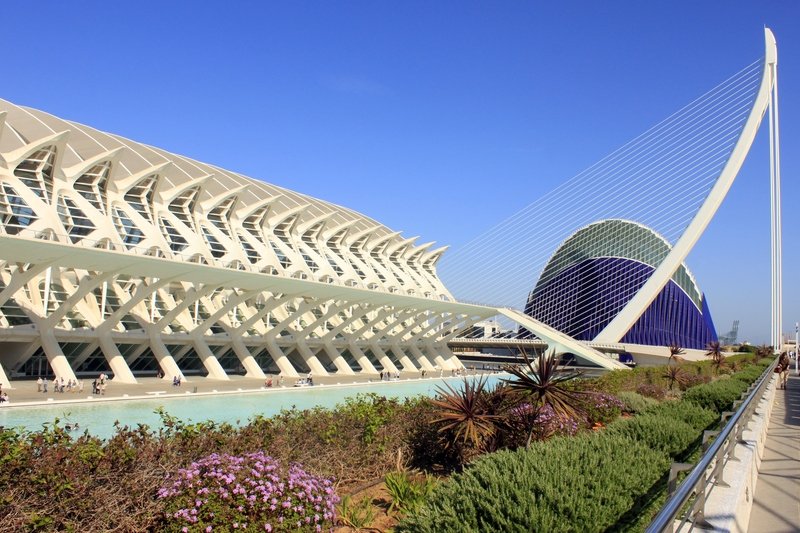
The first time I stood at the entrance of the City of Arts and Sciences in Valencia, I felt like I had stepped onto a movie set for a science fiction film. Gleaming white structures rose from sparkling blue pools, reflecting the Mediterranean sun like giant abstract sculptures. It looked like something from another world, yet there I was, in the heart of Spain’s third-largest city, ready to explore.
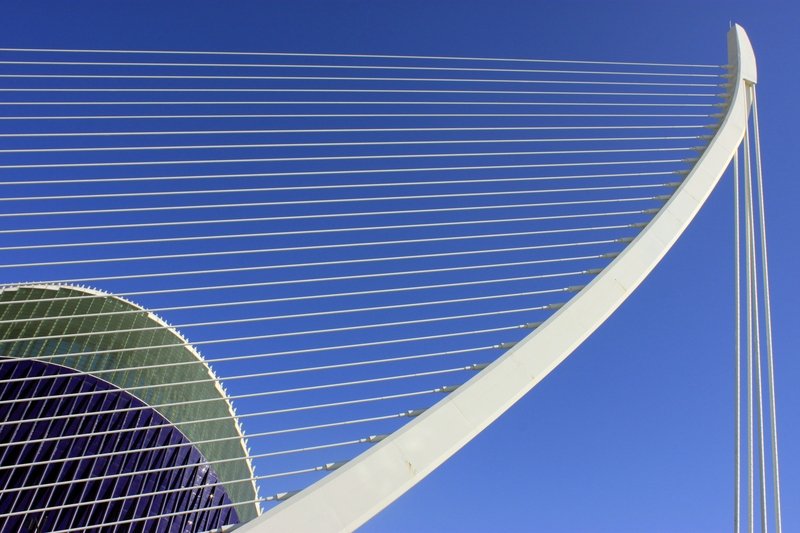
This place is not just a tourist attraction; it is the symbol of modern Valencia. It represents how a city can reinvent itself. Whether you are a fan of architecture, a family looking for a fun day out, or simply someone who loves taking incredible photos, this complex is a must-see. In this guide, I will take you through its history, the stunning architecture, the main buildings, and a hidden gem nearby that kids (and adults) absolutely adore.
The River That Became a Garden
To understand the City of Arts and Sciences Valencia, you must first understand the ground it stands on. Before these futuristic buildings existed, this land was the old bed of the Turia River. For centuries, the Turia River was a lifeline for Valencia, but it was also a threat. The city suffered devastating floods, with the most catastrophic one occurring on October 14, 1957. That flood submerged large parts of the city under several feet of water, causing immense destruction and loss of life .
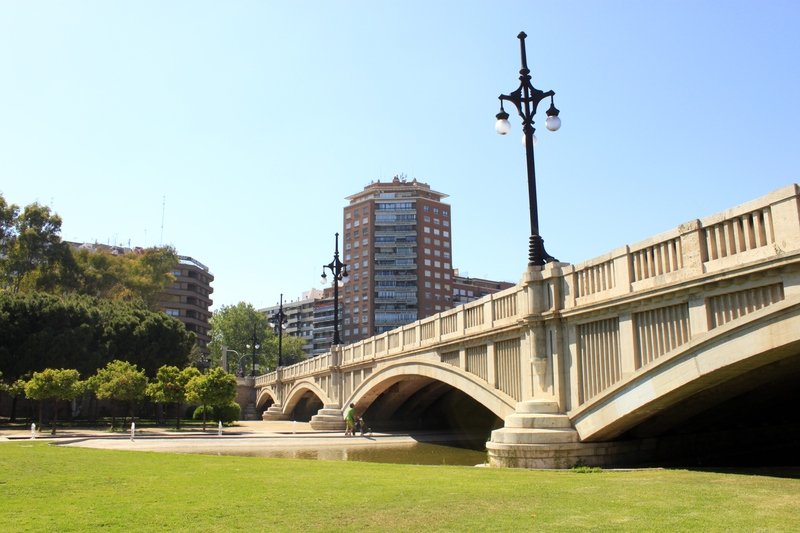
After that disaster, the authorities knew they had to act. They made the radical decision to divert the river’s course entirely, moving it south of the city to prevent future tragedies. This left behind a huge, dry, concrete ditch cutting right through the urban center. For a while, no one knew what to do with this massive scar in the landscape. There were even plans to turn it into a highway, which would have split the city apart .
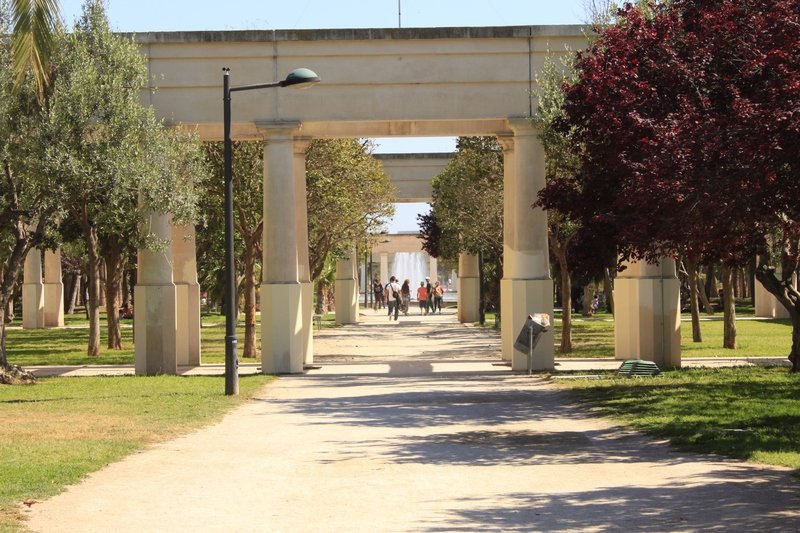
But the citizens of Valencia had a different vision. A powerful grassroots movement emerged with the slogan, “The river is ours and we want it green.” They fought for the old riverbed to become a public space.
Their voices won. In the 1980s, work began to transform this empty canal into the Turia Garden, now Europe’s largest linear park, stretching for nearly 10 kilometers of green space, walking paths, and sports areas .
The City of Arts and Sciences was the final piece of this incredible transformation, built right at the eastern end of this park, turning a disaster zone into a world-class cultural hub.
Architecture Details and Construction
When you look at the City of Arts and Sciences Valencia, you are looking at the genius of Santiago Calatrava, a world-famous architect born right here in Valencia. He was given the task of creating a new identity for the city in the 1990s. The idea was to build a complex that would make the world look at Valencia in a new way—as a city of the future. Construction started in 1991 and continued for nearly two decades, finishing in 2009 .
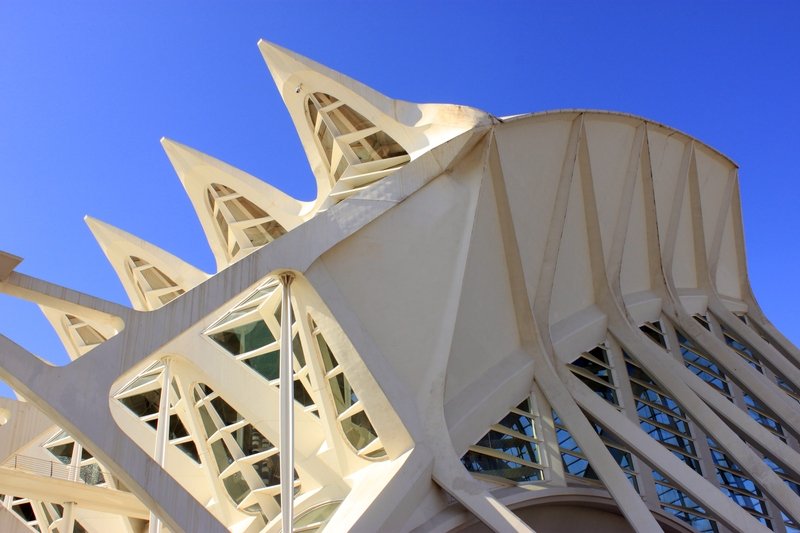
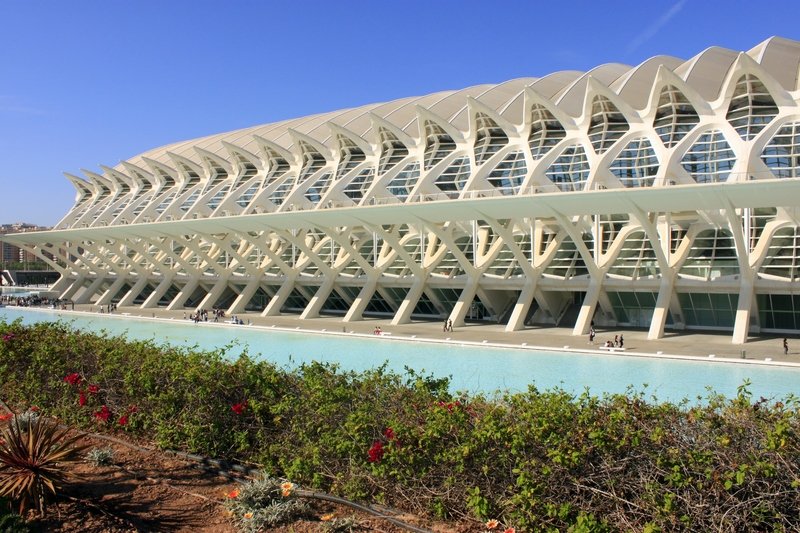
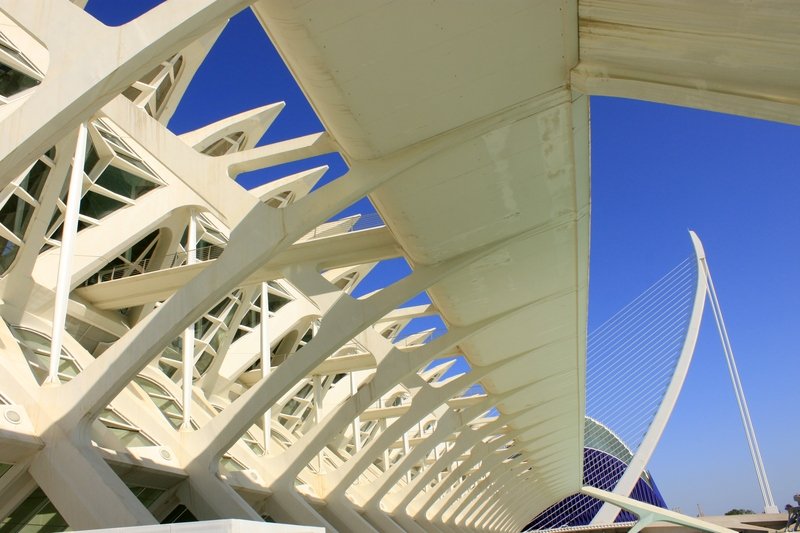
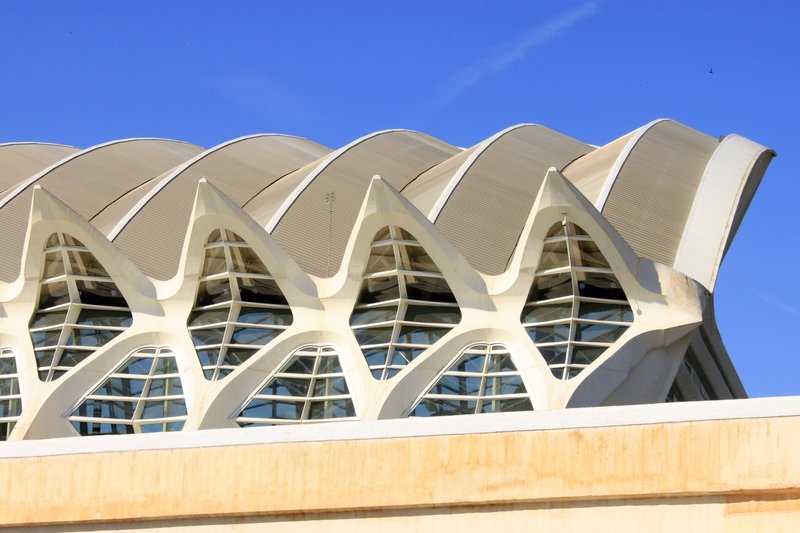
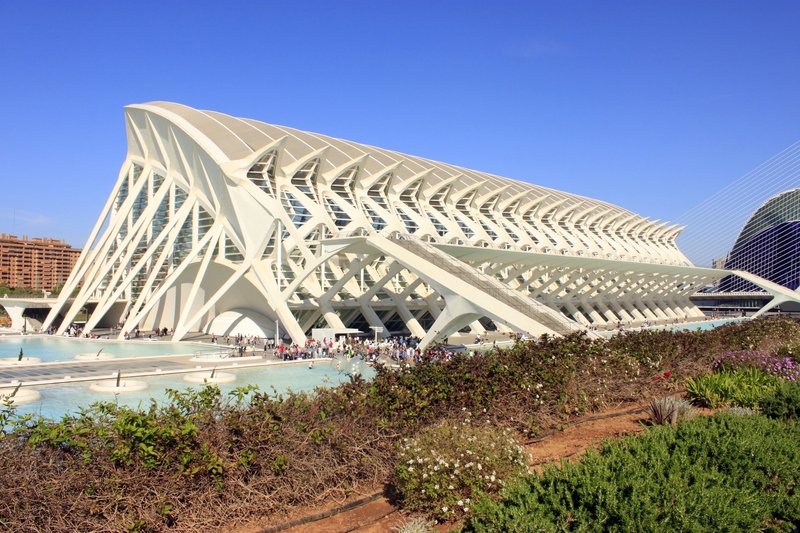
Calatrava’s work is known for being inspired by nature and the human body. He uses clean, white concrete and flowing, organic shapes. If you look at the Museu de les Ciències, you might notice it resembles a giant skeleton. Calatrava designed it based on the shape of a human spine, with a repetitive structure that stretches for over 200 meters . It’s a beautiful mix of art and engineering.
Another fascinating detail is the use of trencadís. This is a traditional Valencian mosaic technique using broken pieces of tile. You can see it on the walkways and public spaces around the buildings everywhere in the City of Arts and Sciences.
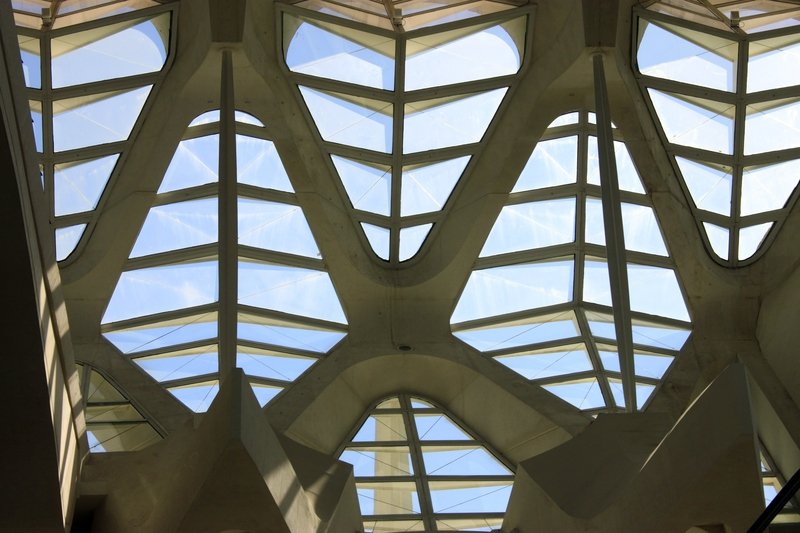
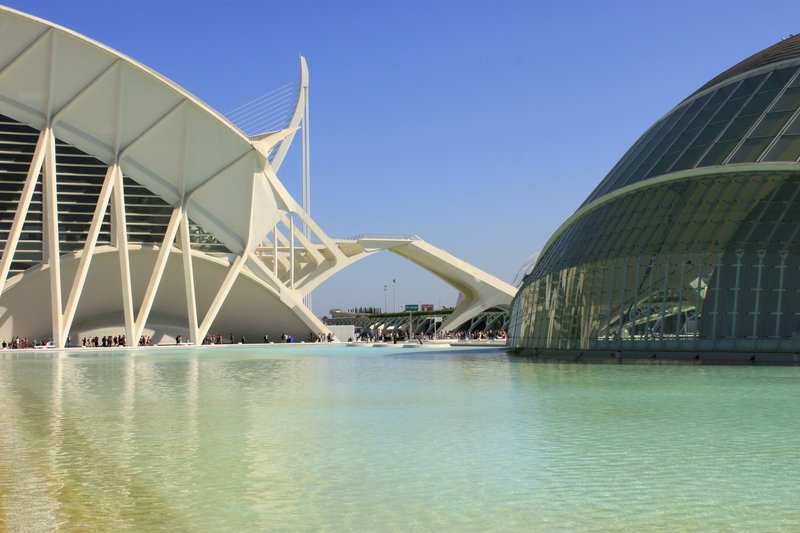
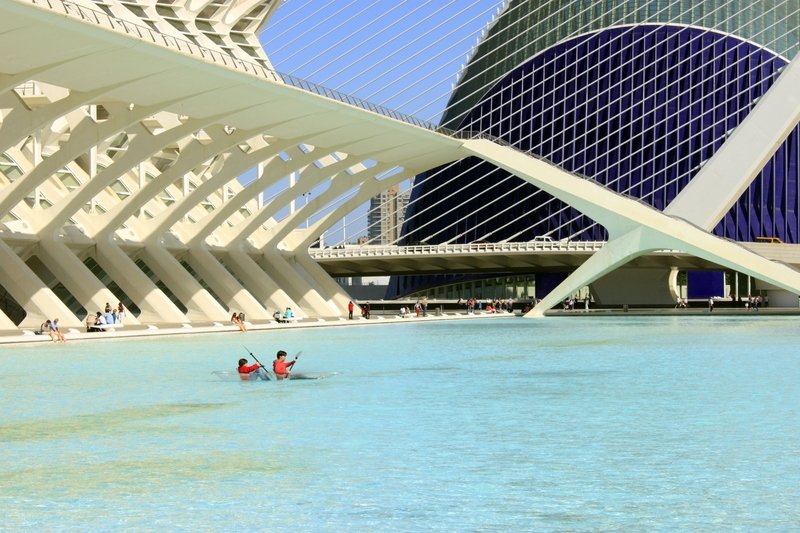
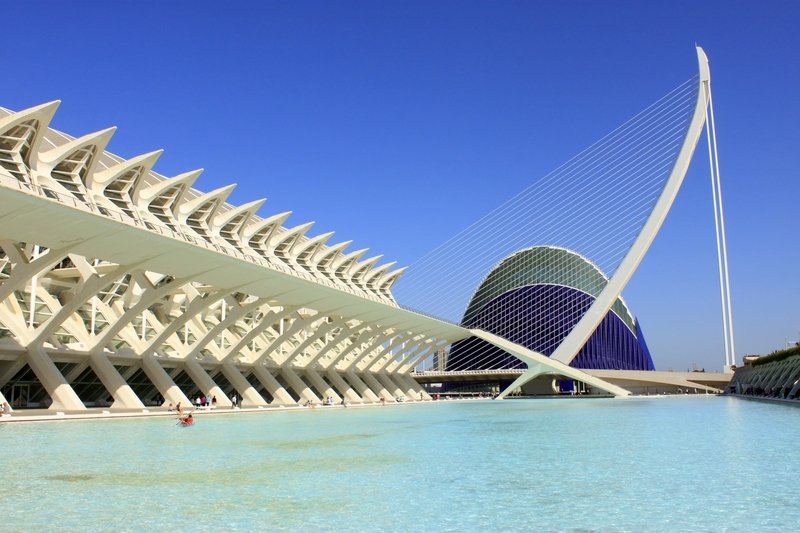
Calatrava used white and blue trencadís to connect his modern design with the city’s historical architecture, which you can also find at landmarks like the Estació del Nord train station . The entire complex is connected by vast artificial lakes. This was a deliberate choice. The water reflects the white buildings, creating a sense of lightness and magic. It also pays homage to the river that once flowed there, transforming the area into a giant mirror for the sky .
The Main Structures and Buildings
The City of Arts and Sciences Valencia is made up of several distinct buildings, each with a unique purpose. You could easily spend a whole day exploring them, and it’s worth taking your time.
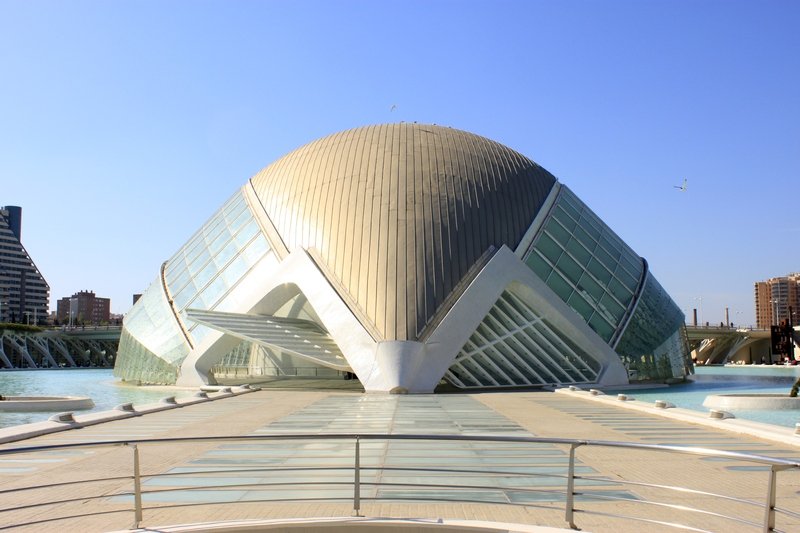
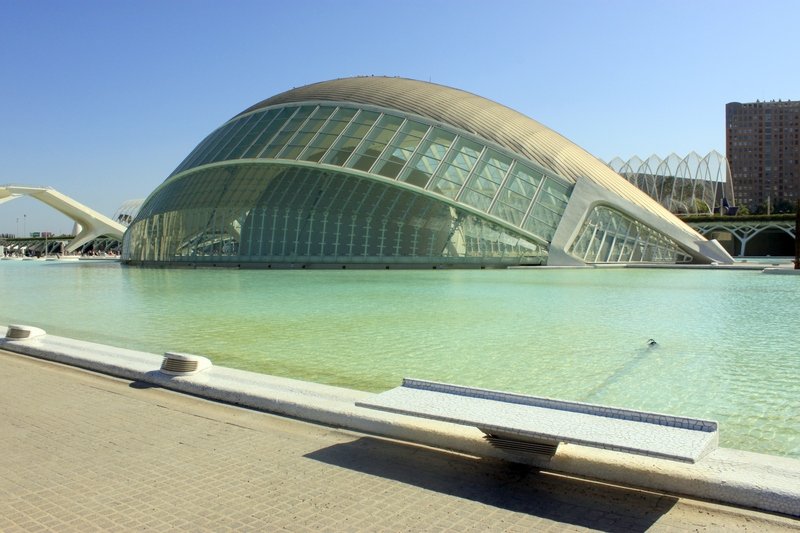
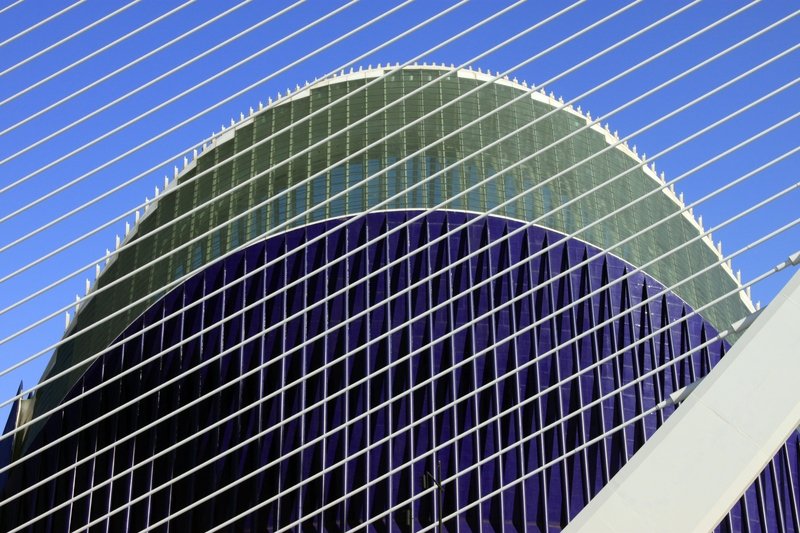
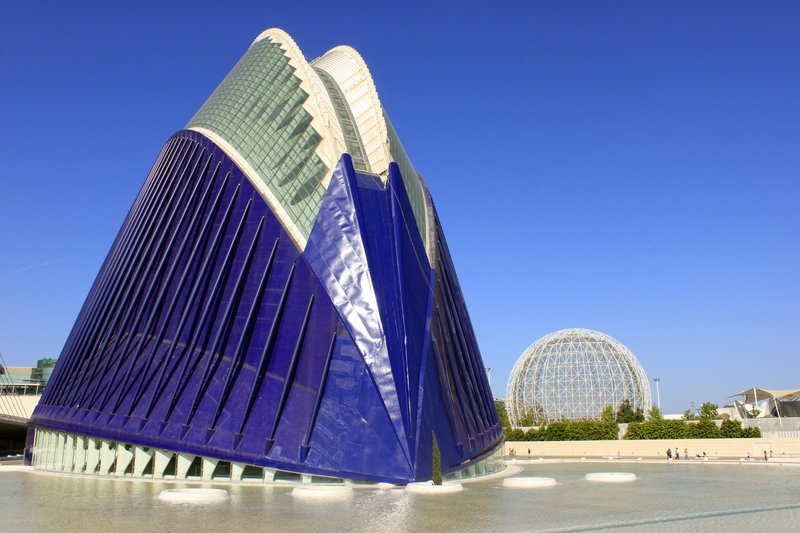
The Hemisfèric is the first building you’ll see. It looks like a giant eye, with a lid that opens and closes hydraulically. Inside, there is an IMAX cinema with a massive concave screen. Here, you can watch incredible documentaries about space, the deep sea, or nature that make you feel like you are flying .
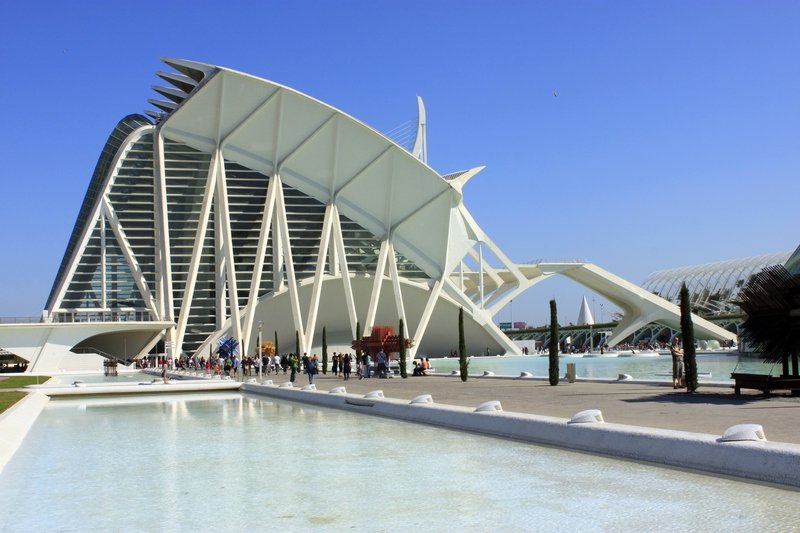
Next is the Museu de les Ciències Príncipe Felipe. This is not a museum where you just look at exhibits. It’s an interactive science center. The building itself is a sight to behold—a massive, white structure that looks like a dinosaur skeleton. Inside, you can experiment with science, touch everything, and participate in workshops. It is designed for hands-on learning, making it a hit with children and curious adults alike. Museu de les Ciències Príncipe Felipe is very important part of the City of Arts and Sciences.
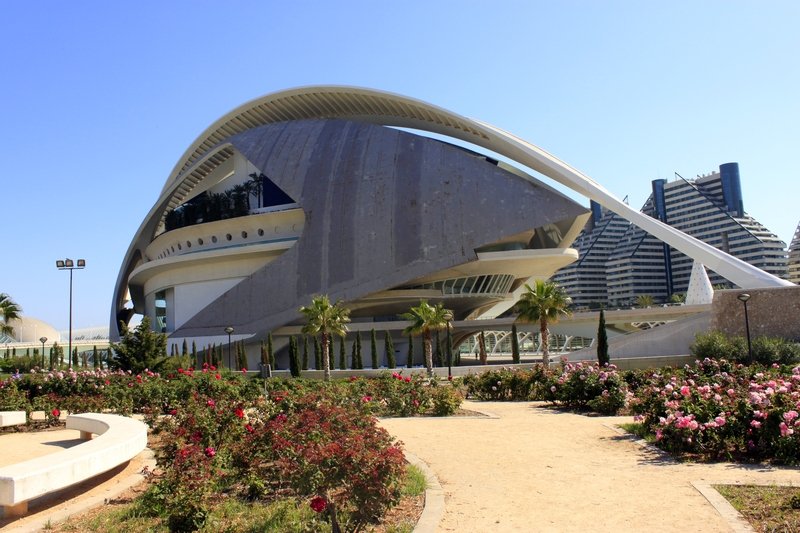
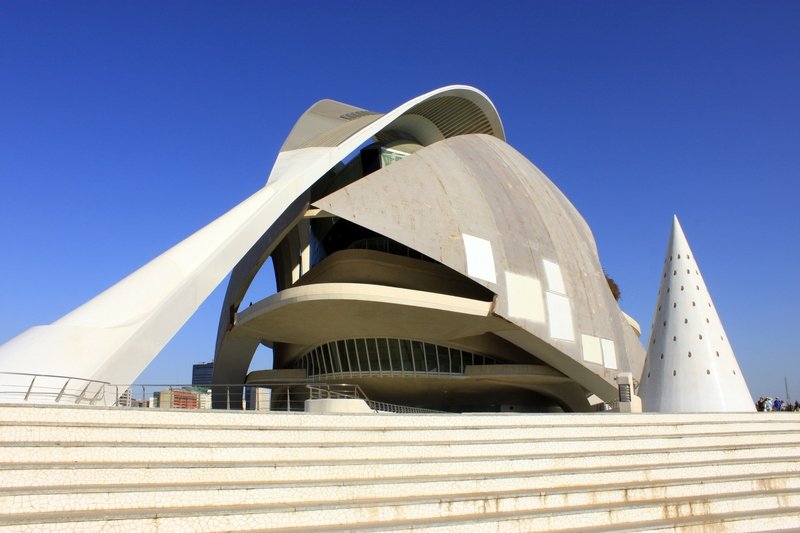
Further along is the Palau de les Arts Reina Sofía, the opera house. This is the tallest building in the complex, with a stunning structure that resembles a ship or a helmet. It is dedicated to performing arts, hosting operas, ballet, and concerts. Even if you don’t go inside for a show, walking around its base gives you a true sense of its scale and beauty .
Finally, at the far end, is the Oceanogràfic. Unlike the others, this one was designed by Félix Candela, another legendary architect. It is the largest aquarium in Europe, home to over 45,000 marine animals from 500 different species. You can walk through an underwater tunnel surrounded by sharks, see beluga whales, and watch dolphins play. It’s a complete journey through the world’s oceans . Together, these four buildings create a the cultural complex of City of Arts and Sciences that is unique in the world.
Gulliver Park: A Giant Playground
Just a short walk from the futuristic buildings of the City of Arts and Sciences Valencia, hidden within the greenery of the Turia Garden, lies a place that brings out the inner child in everyone: Gulliver Park. This is a true hidden gem for families and a fantastic free activity.
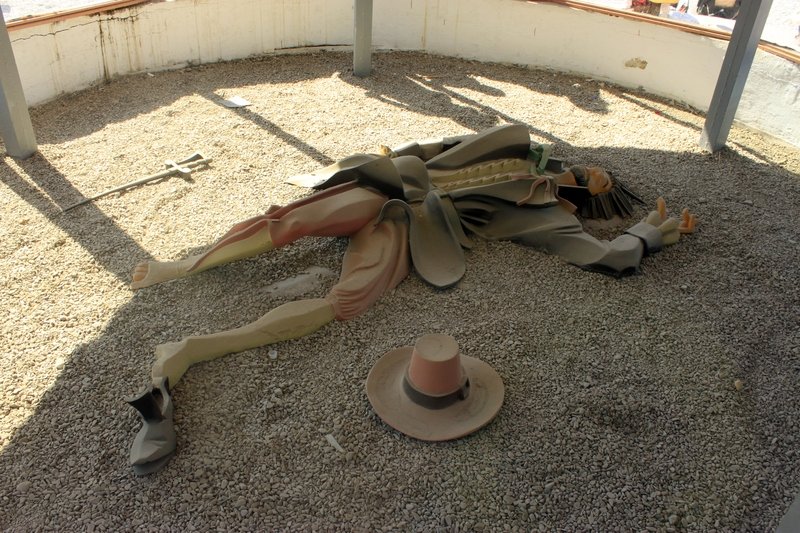
The park is based on the classic novel Gulliver’s Travels. Here, you’ll find a giant sculpture of Gulliver lying on his back, pinned down by thousands of tiny ropes—just like in the story where he is captured by the Lilliputians . But this is no ordinary statue. This Gulliver is a playground. His arms, legs, hair, and clothing have been transformed into slides, ramps, stairs, and tunnels.
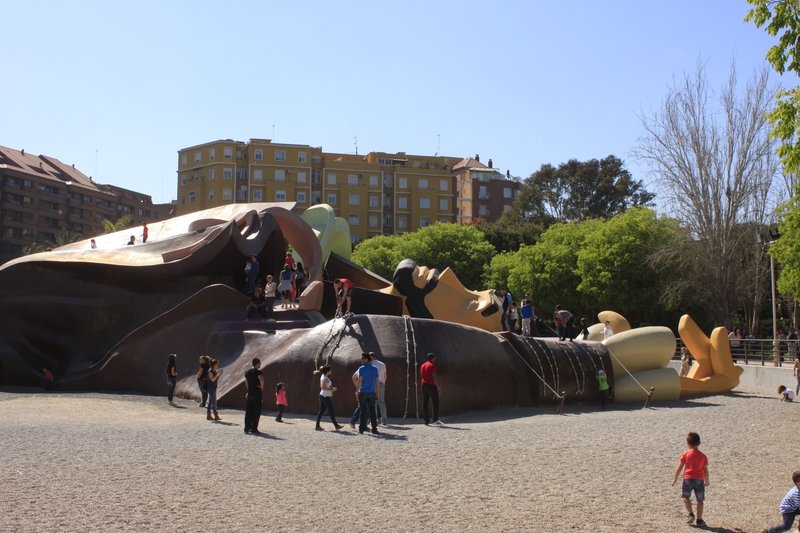
You can climb up his sleeve and slide down his leg. You can run across his chest or explore hidden passages inside his coat. Children (and brave adults) become the Lilliputians, climbing all over the sleeping giant. It is an incredible piece of imaginative design by the architect Rafael Rivera and the artist Manolo Martín .
The best part? It’s completely free. The park is open to the public and is a popular spot for local families. It’s the perfect place to let kids burn off energy after visiting the museums. There are also green areas around the sculpture where you can have a picnic, relax, and watch the fun unfold. Since the slides can get hot in the direct sun, it’s best to visit in the morning or late afternoon, and wearing long pants is a good idea for a smoother slide . It’s a place where imagination meets play, and it’s one of my favorite spots in the whole city.
Practical Tips for Your Visit
To make the most of your trip to the City of Arts and Sciences Valencia, a little planning goes a long way. First, buy your tickets online in advance. This saves you time waiting in long queues, especially during peak season. You can buy combination tickets that include access to several buildings, which often works out cheaper .
The complex is huge, so wear comfortable shoes. You will be doing a lot of walking between the buildings and inside the museums. If you plan to visit the Oceanogràfic, set aside at least three hours.
For the Science Museum, plan for about two hours . It’s almost impossible to see everything in one day, so I recommend prioritizing what interests you most—whether that’s the marine life, the science exhibits, or the architecture.
Getting there is easy. The complex is located at the end of the Turia Garden. You can walk there from the city center along the beautiful park path, which is a wonderful experience in itself. Alternatively, you can take a bus or tram.
The Valencia Tourist Card offers discounts on entry and free public transport, making it a great investment if you plan to explore the city . And don’t forget to bring water and snacks, although there are also cafes and restaurants on-site if you want to have a proper meal with a view of the City of Arts and Sciences.
The City of Arts and Sciences is more than just a set of buildings. It is the story of a city that overcame disaster to build a vision of the future. From the brave citizens who fought for a green riverbed to the architectural genius of Santiago Calatrava, this place is full of heart and inspiration. Whether you are sliding down Gulliver’s shoulder or staring up at the majestic Palau de les Arts, you are part of Valencia’s incredible journey.
This Valencia’s City of Arts and Sciences Visit was part of my East Spain Journey. If you like Eastern Spain you can check my articles for Delta del Ebre and Tarragona.
Roads remember those who listen.