Olot is the capital of the Garrotxa Volcanic Zone Natural Park, which has over 40 volcanoes. I recently took a day trip to this fascinating place. It is perfect for anyone who loves nature and history. This Olot Volcanoes day trip guide will show you the best things to do.
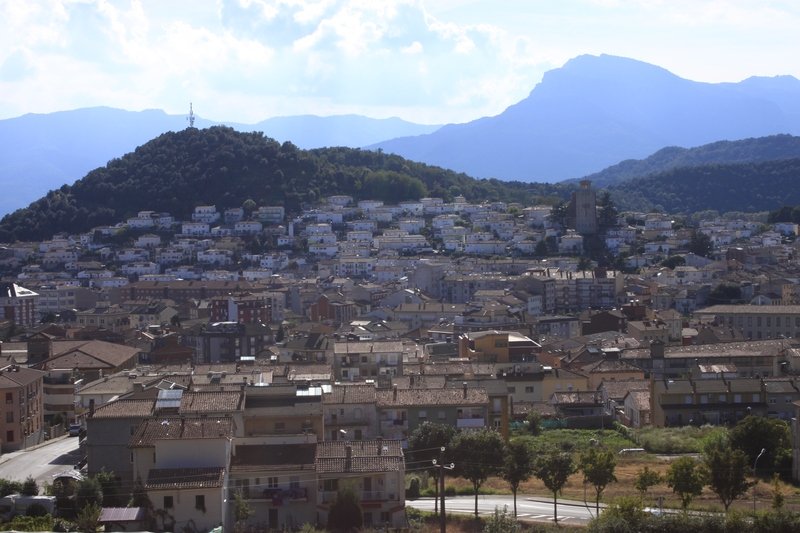
History of Olot Volcanoes and la Garrotxa area
The story of Olot is written in fire and stone. The Garrotxa Volcanic Field is one of the most interesting places in Spain. It covers about 600 square kilometers. The last eruption here happened about 11,000 to 13,000 years ago. This means the volcanoes are now dormant, but the landscape is still very young and wild.
The city of Olot sits on the slope of four volcanoes. These are Montsacopa, Montolivet, Bisaroques, and Garrinada. This volcanic activity created the rich soil and unique rock formations. You can still see the old clay quarries on Montsacopa. They look like an open-air museum of volcanic rock. The local people have lived with these volcanoes for centuries. They used the black volcanic stone to build their homes and streets. The region’s history is closely tied to the land. Its medieval villages and old farmhouses tell stories of a traditional way of life.
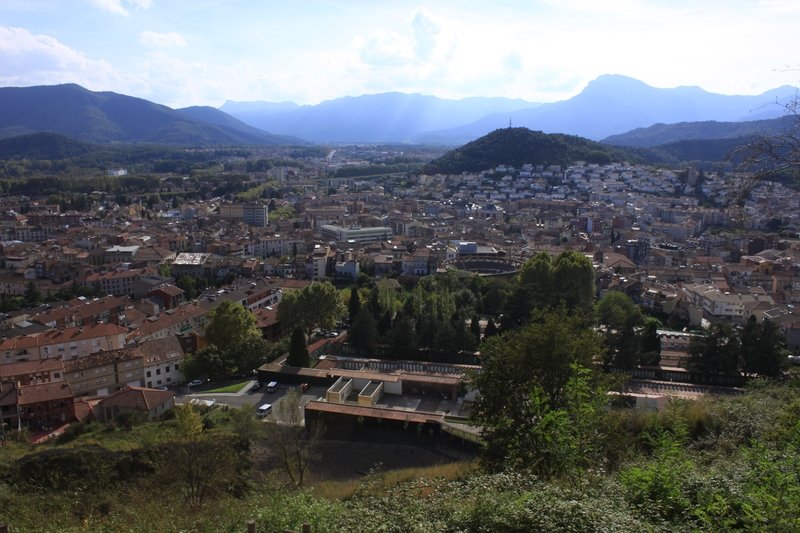
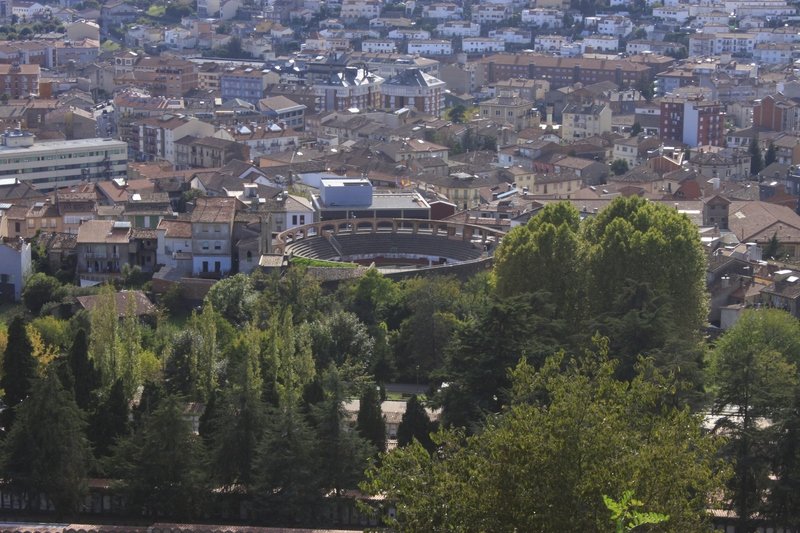
My day trip started at Antiga Plaça de Braus d’Olot with lunch
My Olot Volcanoes day trip began in the heart of the city. I started at the Antiga Plaça de Braus d’Olot, the old bullring. This is a good starting point for any visit. It is easy to find and near many streets. From here, you can feel the city’s pulse.
I decided to have lunch nearby. The food in Olot is excellent. You should try the local dishes. Many restaurants use products from the area. The soil here is very fertile because of the volcanoes. This gives the vegetables and meats a special taste. I found a small place just off the main square. I ate a simple but delicious meal. It was the perfect way to get ready for the hike.
The cost of a meal can vary. You can find a good menu for around 15 to 20 euros. My advice is to look for places where local people are eating. This is a hidden gem tip. The area around the old town has many good options. After lunch, I was ready for the real adventure.
On the way to volcano I visited Capella de Sant Francesc
After lunch, I started my walk towards the Montsacopa volcano. The route is well signposted. It is a pleasant walk through the streets of Olot. You will pass by old buildings and quiet squares. The path is known locally as the “via crucis”. This is because there are small shrines along the way with scenes from the Bible.
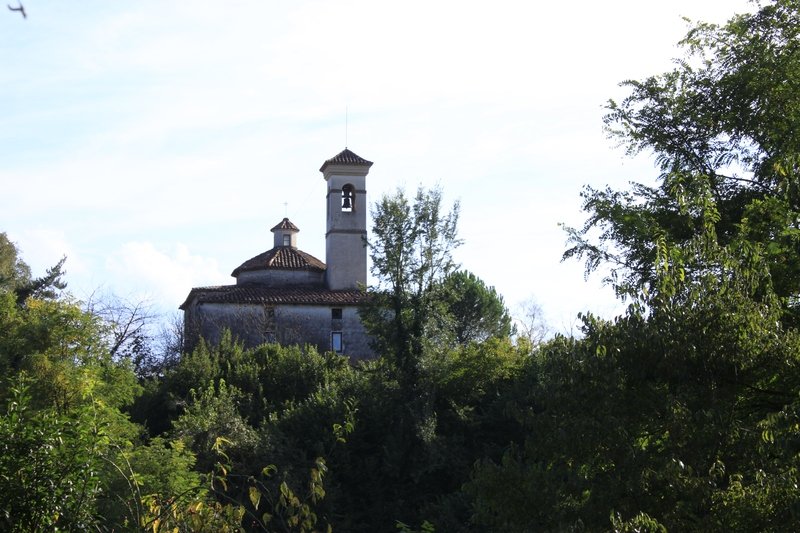
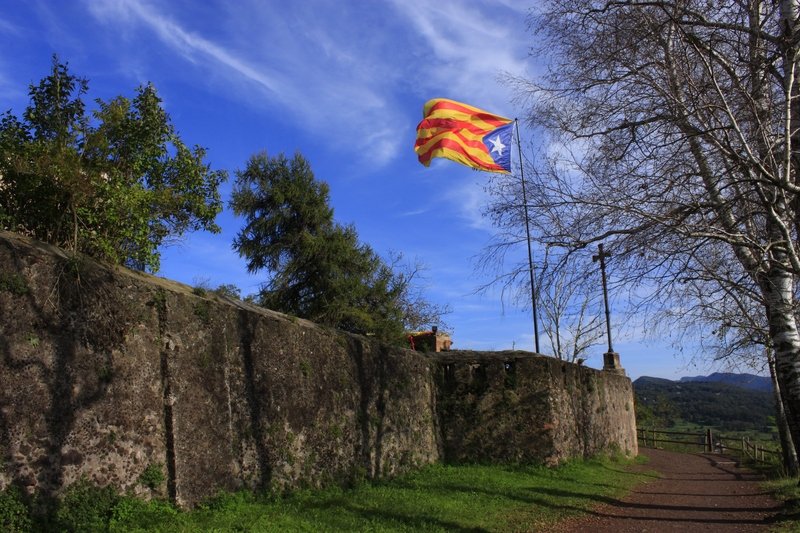
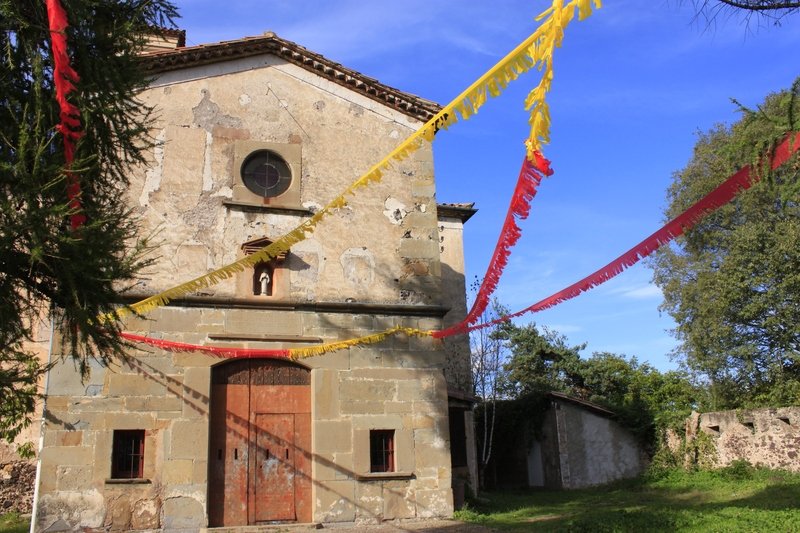
On my way, I stopped at the Capella de Sant Francesc. This is a small and beautiful chapel. It is a place of peace and quiet. It sits on the side of the hill, looking out over the city. The chapel is a reminder of the area’s deep religious traditions. It is a nice spot to rest for a moment. You can enjoy the view before the final climb. This stop made the walk more special. It is a great example of the history you find everywhere in Olot.
I climbed The Montsacopa volcano and the crater
The climb up Montsacopa is not too hard. The path is paved and has benches for resting. It is suitable for all fitness levels. I took my time. The walk is about 3.5 kilometers in total if you walk around the whole area. As you go up, the city of Olot starts to appear below you. The views get better with every step.
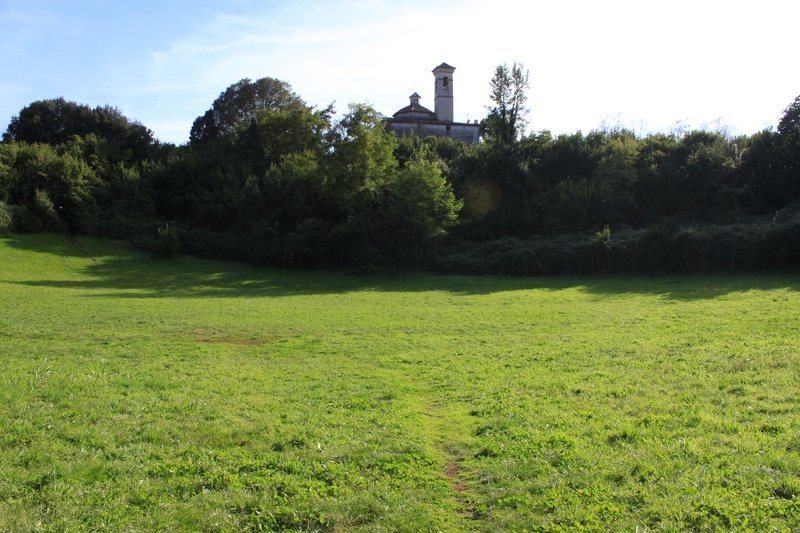
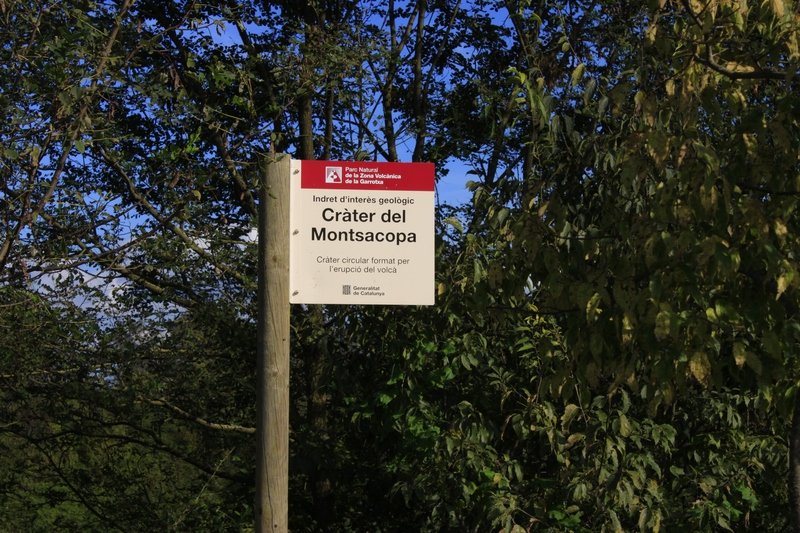
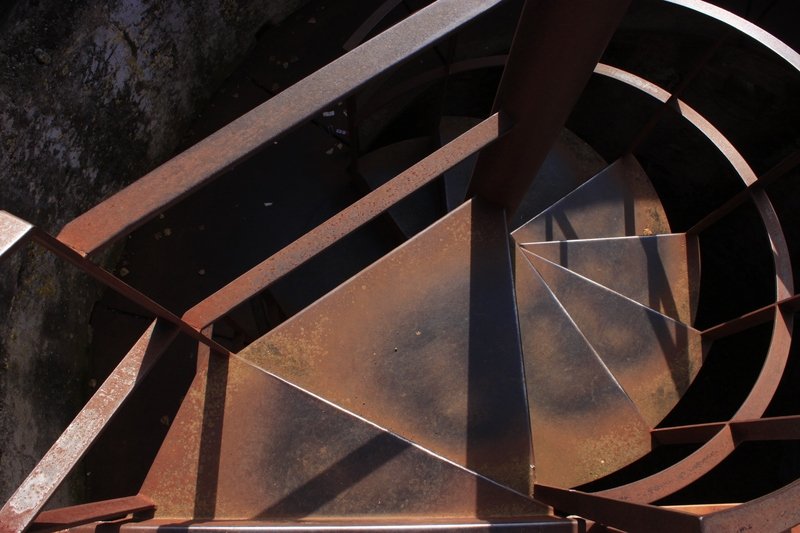
When you reach the top, you see the stunning circular crater. It is a big hole in the ground, now green with grass. You can even walk down into the center of the crater. This was an amazing feeling. It’s like walking into history. On top, there are two old watchtowers from the 19th century. They are called “fortins”. You can climb them for an even better view.
Standing on top of Montsacopa, it’s easy to see why this is a popular destination. It is not a hard hike but the reward is huge. This Olot Volcanoes day trip experience was the highlight of my visit. I felt a real connection to the nature and history of La Garrotxa. You can combine your Olot Volcanoes trip with visit to Besalu, Parc Garrell in Argelaguer and Castellfollit de la Roca.
Every place leaves a quiet signature