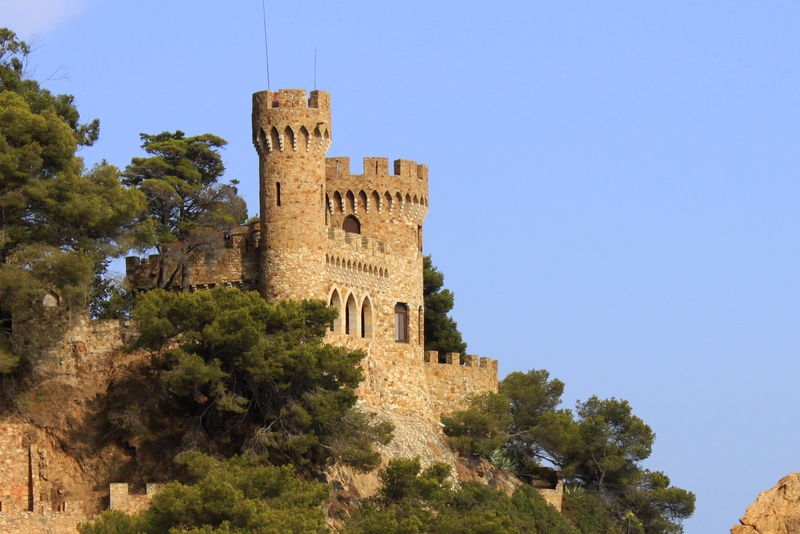
Lloret del Mar – First Impressions
Lloret del Mar is located on the Costa Brava in Catalonia. Many people know it for nightlife, but the town has a long history and a beautiful natural setting.
Behind the busy streets, you will find quiet paths, old buildings, and coastal views that show another side of Lloret. It is a place where history and modern tourism live together.
The History of Lloret del Mar
Lloret del Mar began as a small fishing settlement. Its location by the sea shaped the lives of its people. Fishing, trade, and later shipbuilding were important activities.
During the 18th and 19th centuries, Lloret became connected to overseas trade. Many locals traveled to the Americas and returned with new ideas and wealth. This period changed the town’s architecture and economy.
Curious detail:
Some of the most elegant old houses in Lloret were built by families who made their fortune abroad.
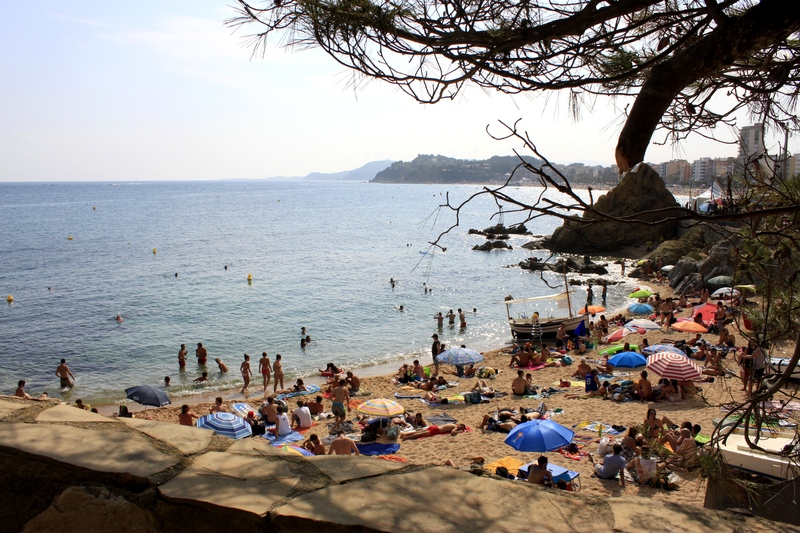
Beaches of Lloret del Mar – More Than Just Sand
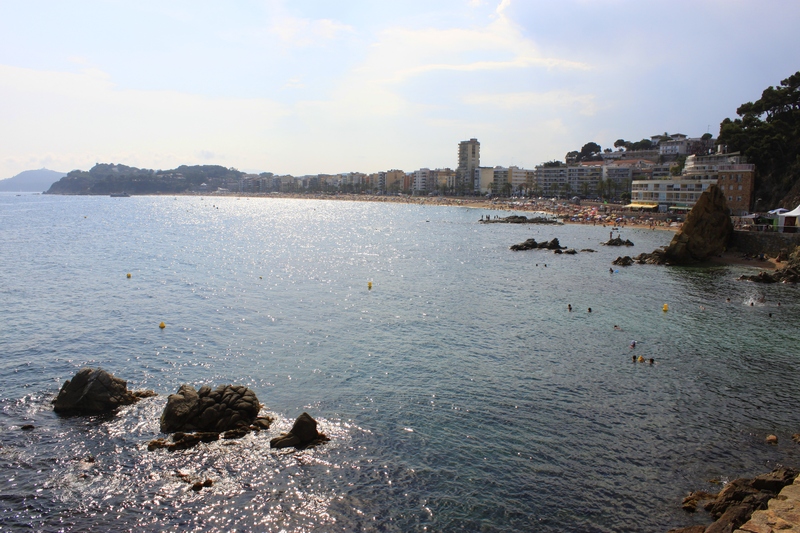
Lloret del Mar has several beaches, each with a different atmosphere.
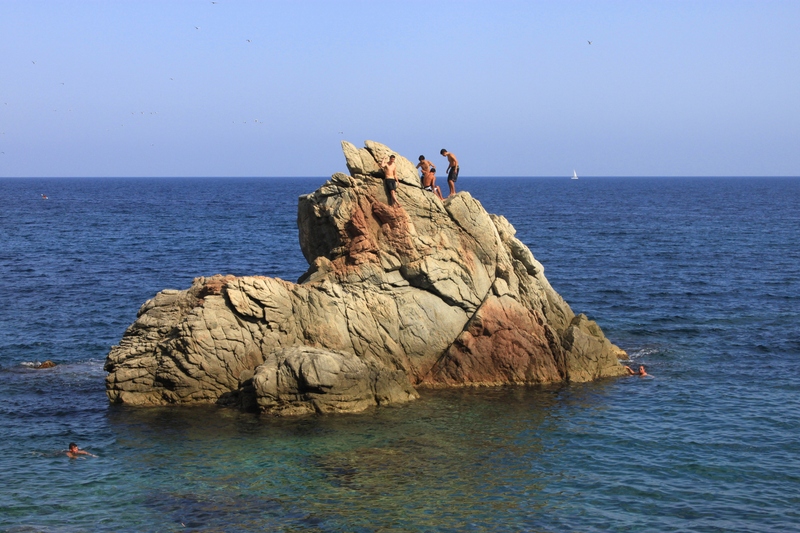
The main beach is lively and wide, perfect for swimming and relaxing. Further away, smaller beaches offer calmer spaces with clear water and rocky surroundings.
Popular beach experiences:
- Morning swims when the sea is calm
- Walking along coastal paths
- Watching the sea from quieter coves
Curiosity:
The water here is often deeper close to the shore, giving it a darker blue color compared to other Mediterranean beaches.
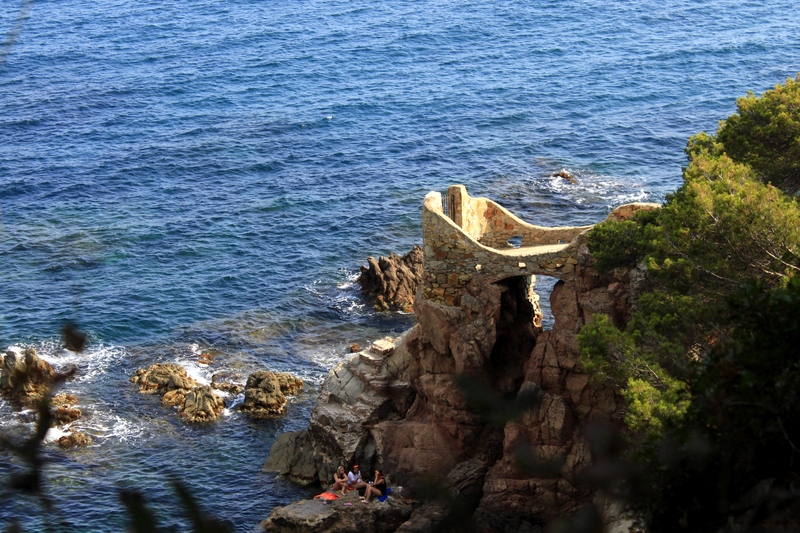
Coastal Paths and Hidden Corners
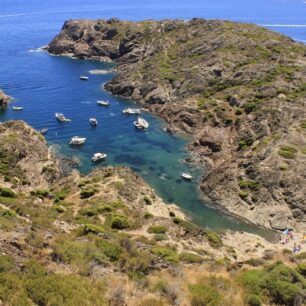
One of the best ways to explore Lloret is by walking along the coastal paths. These paths connect beaches and offer views of cliffs, pine trees, and the open sea.
Hidden tip:
Early morning walks are peaceful and offer the best light and cooler temperatures.
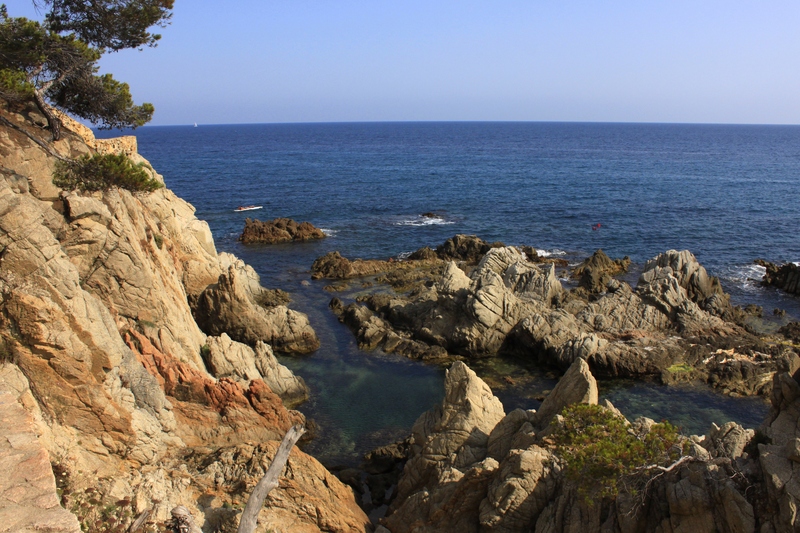
Castell de Sant Joan – Watching Over the Town
The Castell de Sant Joan stands on a hill between Lloret del Mar and Fenals. Built in the Middle Ages, it served as a defensive watchtower against pirate attacks.
Although only part of the castle remains today, the site offers one of the best views of the coastline. From here, you can see beaches, hills, and the endless sea.
Historical note:
The castle was part of a network of coastal defenses protecting villages from sea invasions.
Curious detail:
Sailors once used the castle as a reference point when approaching the coast.
Castell de Lloret – A Symbol Above the Coast
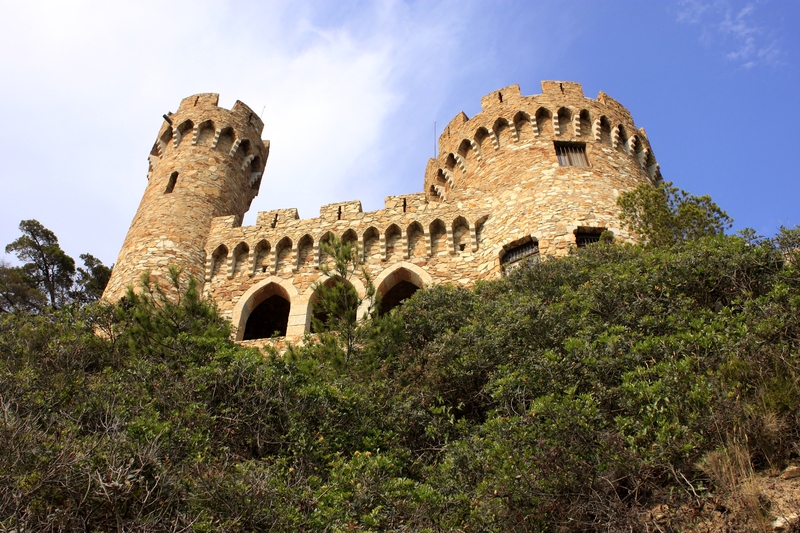
Castell de Lloret is a modern reconstruction inspired by medieval castles, built in the 20th century as a private residence. It stands on a rocky hill overlooking the sea, close to Cala Sa Caleta.
Although it is not a medieval fortress, the castle blends well with the coastline and has become one of Lloret del Mar’s most recognizable landmarks. Its towers and stone walls create a strong contrast with the blue sea below.
Curious detail:
The castle was built using traditional architectural elements to look older than it really is, which often surprises visitors when they learn its true age.
While the interior is private and not open to the public, the area around the castle offers beautiful viewpoints. Walking paths nearby lead to quiet spots where you can enjoy the sound of the waves and the coastal landscape.
Castell de Lloret represents the town’s connection between imagination, tourism, and the sea — a place where history is remembered and reinterpreted.
Food and Local Taste
Lloret del Mar offers a mix of traditional Catalan food and international cuisine. In quieter streets, you can still find local dishes based on fish, vegetables, and simple flavors.
Try eating away from the main tourist streets for better value and calmer surroundings.
Practical Travel Tips
- Visit early or outside peak summer months
- Explore beyond the main beach
- Wear good shoes for coastal paths
- Stay hydrated in hot weather
- Respect natural areas and cliffs
Transport and Costs
- Lloret del Mar is reachable by bus from nearby cities
- The town center is walkable
- Beach access is free
- Prices vary by season
Why Lloret del Mar Deserves a Second Look
Lloret del Mar is often misunderstood. Yes, it can be loud and busy, but it also holds history, nature, and quiet beauty.
When you look past the surface, you find a town shaped by the sea, protected by stone walls, and softened by time.
Travel far, feel deeply, live fully