In late May 2014, Barcelona witnessed some of the most intense civil unrest it had experienced since the 2008 economic crisis, sparked not by a national political event, but by the demolition of a squat. The Can Vies protests were a potent symbol of the anger and frustration simmering beneath the surface of Spain’s fragile recovery, a story of a community’s fight for its heart against the machinery of urban development.
The Powder Keg: Can Vies’ Long History
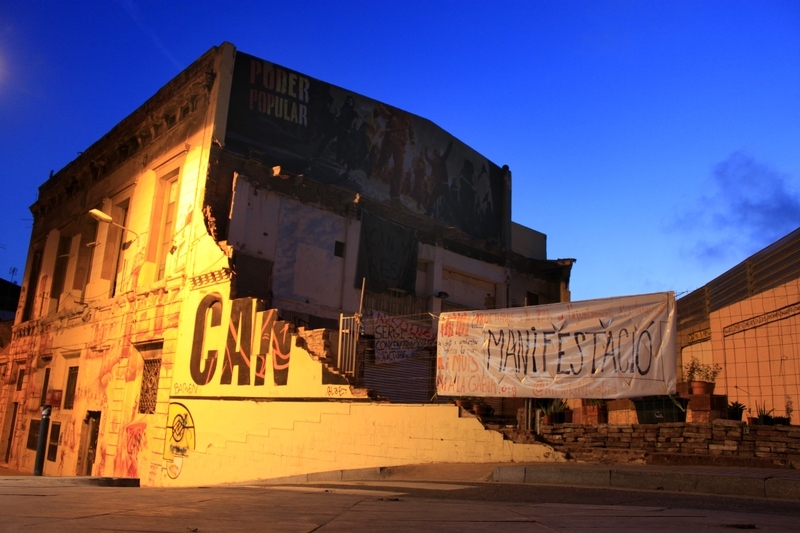
The conflict centered on Can Vies, a building in the working-class Sants neighborhood. Originally built in 1879, it had been squatted since 1997 by a group of activists who transformed it into a self-managed social centre. Over 17 years, what was once an abandoned transport authority building became a vibrant community hub, hosting concerts, training courses, film screenings, and other cultural events. It was a cornerstone of the local, community-based character that defined the “combative neighborhood” of Sants.
The building was owned by Transports Metropolitans de Barcelona (TMB), the city’s public transport operator, which had plans to demolish it for redevelopment. While the squatters had long occupied the site illegally, they argued they represented a vital community alternative model that had outlasted the neglect of the very authorities that now sought to evict them.
The Spark: Eviction and the First Night of Rioting
For months, the “Plataforma de Suport a Can Vies,” a coalition of some 200 local collectives, had been in negotiations with the city council to find a solution. The city’s offer, which involved the squatters vacating the building for rehabilitation only to face demolition after 24-30 months, was deemed unacceptable by the occupiers. The talks ultimately broke down, leading to a final, decisive act.
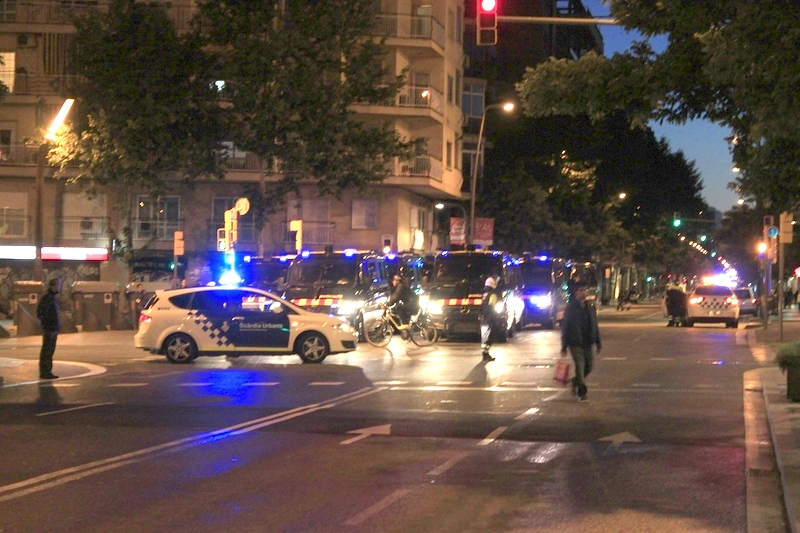
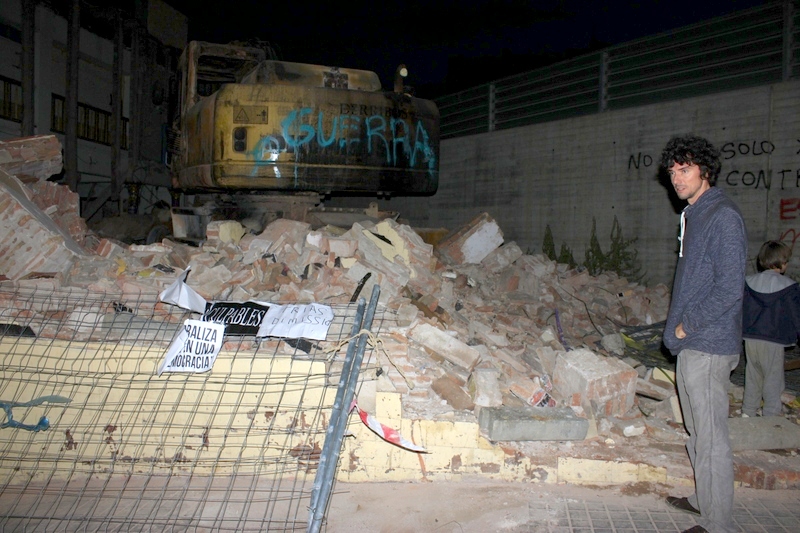
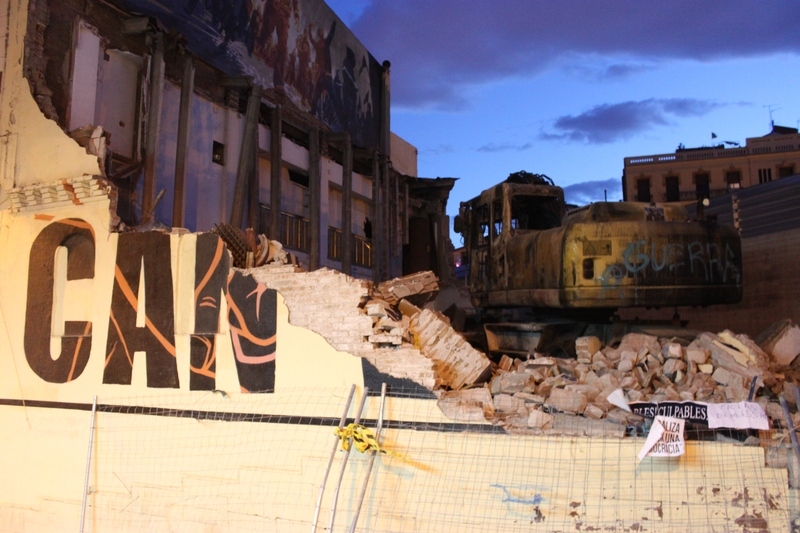
On the morning of May 26, 2014, police acting on a court order moved in to clear the building. Almost immediately, as a bulldozer began to tear down the outer walls, the protests began. The first night saw skirmishes between police and protesters, and it became clear that this was not a simple eviction but the beginning of a major confrontation.
How It Rolled: Four Nights of Fury
The protests quickly escalated into what The Wall Street Journal would later call one of the worst public order incidents in Barcelona since the economic crisis began in 2008. The anger was fueled by a backdrop of widespread frustration over high unemployment—especially among the young—and the feeling that the city was being redeveloped at the expense of its communities.
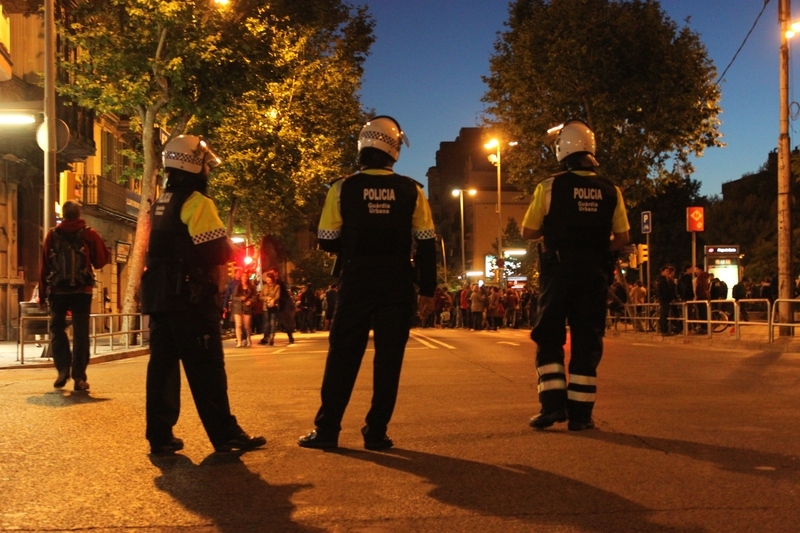
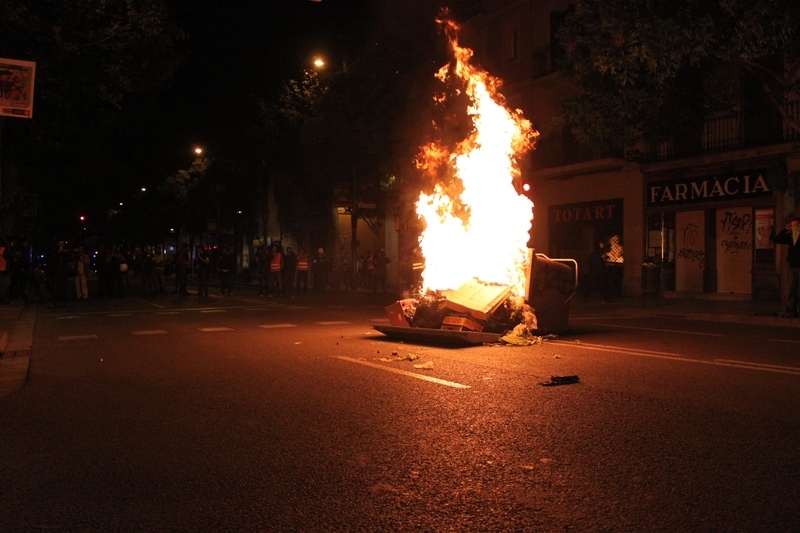
Each night, what often began as a peaceful demonstration would devolve into violent clashes. Hooded youths would burn bins, smash the windows of banks and shops, hurl stones and glass bottles at police, and set up barricades. On the third night alone, with an estimated 2,000 protesters in the streets, 30 people were arrested and 14 injured as riot police charged the crowds, firing foam bullets and using batons.
Violence was not one-sided. A Catalan police officer was later tried for striking a young man with his baton with such force that the youth’s ear was smashed and required reconstructive surgery—the officer claimed he had been thrown off balance. The protests also spread beyond the Sants neighborhood, with solidarity demonstrations erupting in Madrid, Mallorca, and Valencia. More than 200 people were reported injured, and over 70 were arrested during the days of unrest.
The End: Backing Down and a New Beginning
After four consecutive nights of fierce rioting, the city government of Barcelona surprised many by backing down. On May 30, 2014, Mayor Xavier Trias announced the immediate halting of the demolition, stating the city maintained its willingness to find a negotiated solution. The decision came as a direct response to the pressure exerted by the protests and the collective outrage they represented.
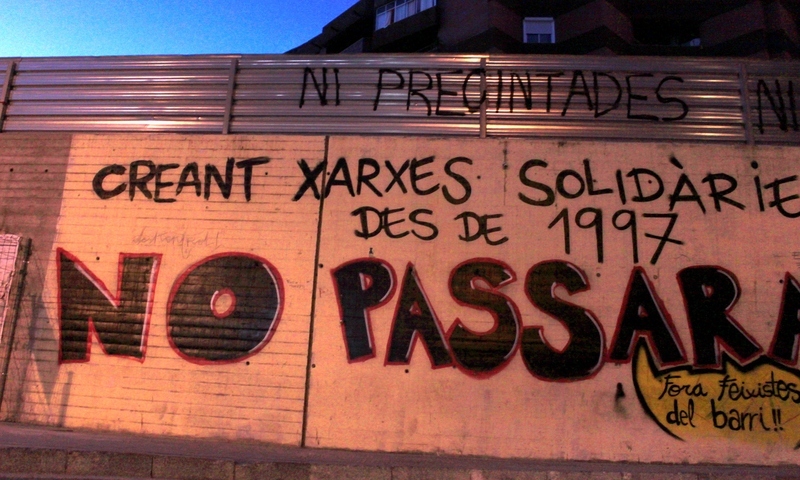
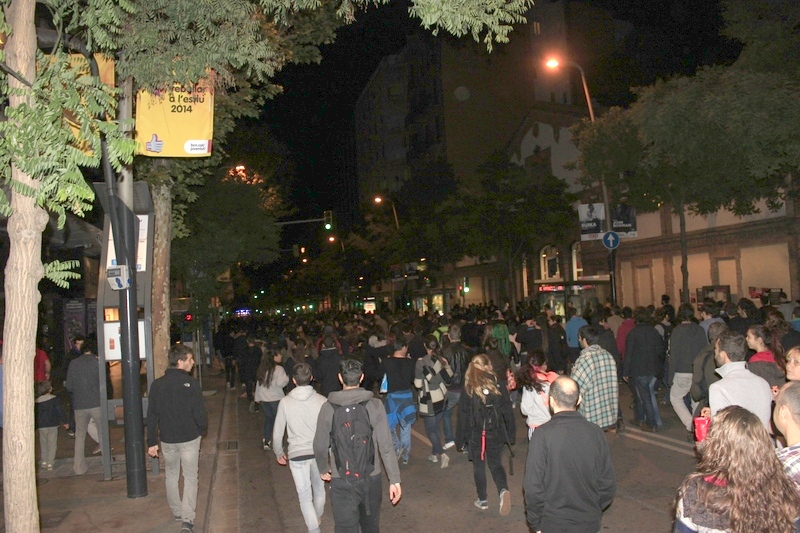
The Can Vies collective, however, refused to negotiate with the city immediately, accusing the authorities of breaking trust when they began the demolition with people still inside. Instead, a massive community effort was launched. On May 31, thousands of people—an estimated 3,500 by police, 20,000 by organizers—marched through Barcelona, calling for the mayor’s resignation and demanding the release of those arrested.
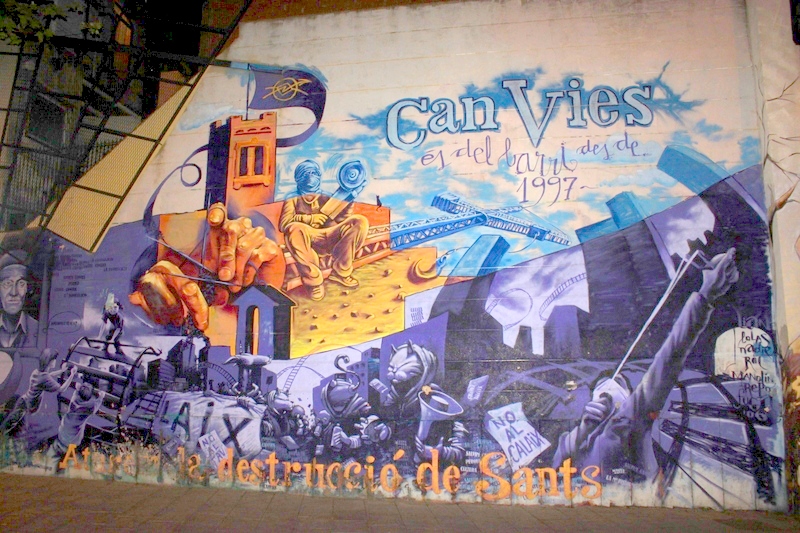
The movement quickly shifted from protest to reconstruction. The community resquatted the site and began a crowdfunding campaign to rebuild the partially destroyed structure. They quickly raised an estimated €90,000, far exceeding their goal of €70,000. In a final act of defiance, about 400 neighbors participated in a symbolic reconstruction, creating a human chain to deposit rubble at the district’s headquarters.
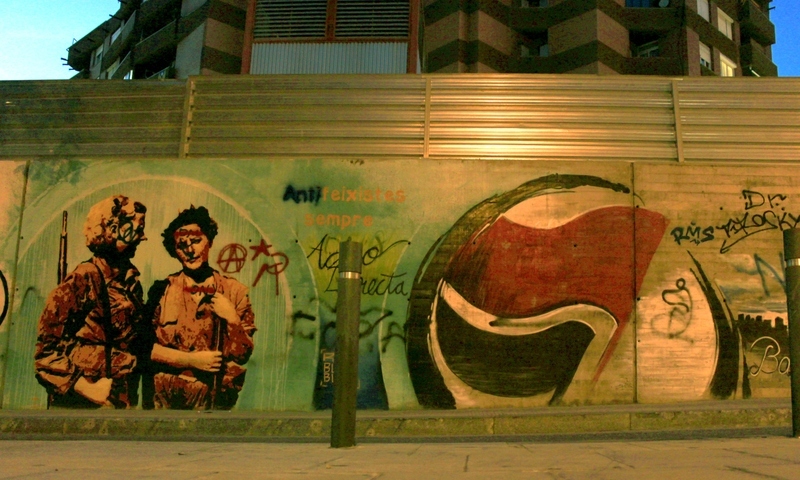
The police actions during the protests continued to be a point of contention for years. In 2018, seven riot police officers were acquitted of charges of causing bodily harm and violating the moral integrity of three detainees during the unrest. The court ruled it had not been proven that the injuries were sustained after the arrests, arguing the force used was legitimate under the circumstances of the riot.
The Can Vies protests were more than a fight over a single building. They were a dramatic public spectacle that laid bare the deep social tensions in post-crisis Spain, a battle over the very soul of a neighborhood and the right of communities to self-determination in the face of redevelopment.