A Stop That Changed the Mood of My Journey
Punta de Sau and the Sunken Church of Sant Roma was my next stop during my tour, and it became one of the most emotional places I visited. This is not a normal travel destination. It is a place where history sleeps under water.
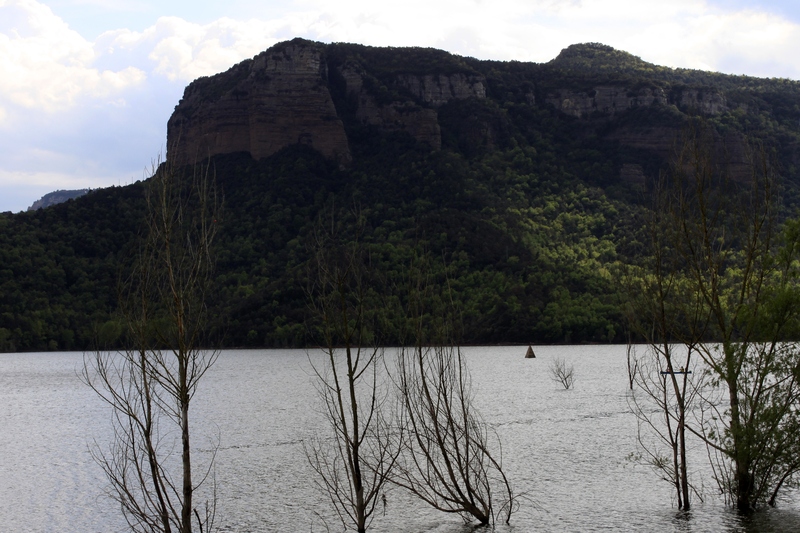
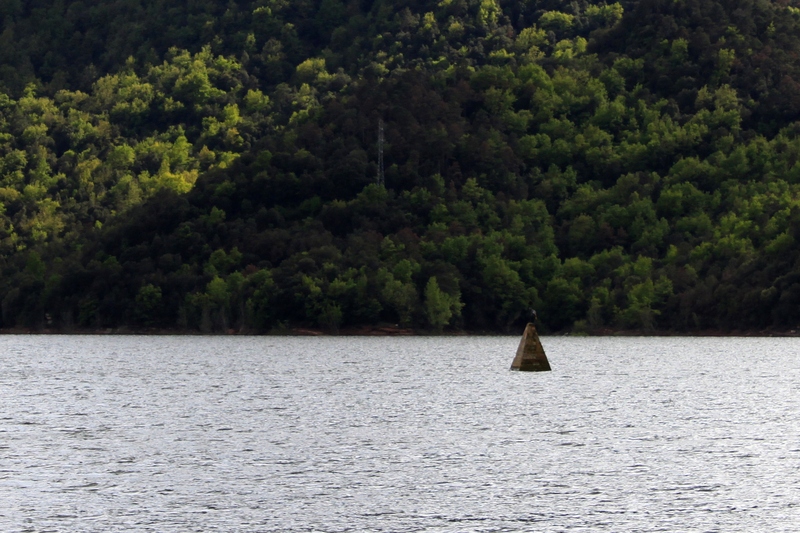
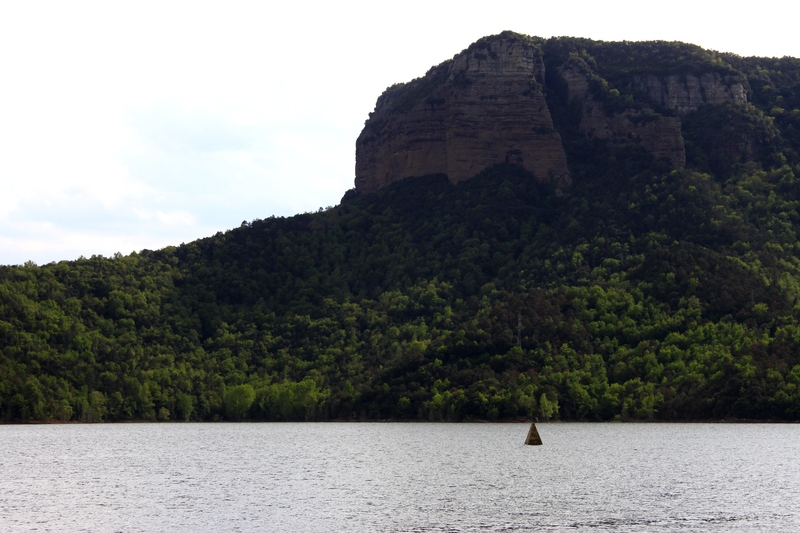
Standing near the edge of the reservoir, I could see the remains of the old church tower of Sant Romà de Sau. At that time, the water was covering almost everything. Only the roof and top of the tower were visible. The silence was strong. The feeling was unforgettable.
The Sau Dam: History and Engineering That Changed Everything
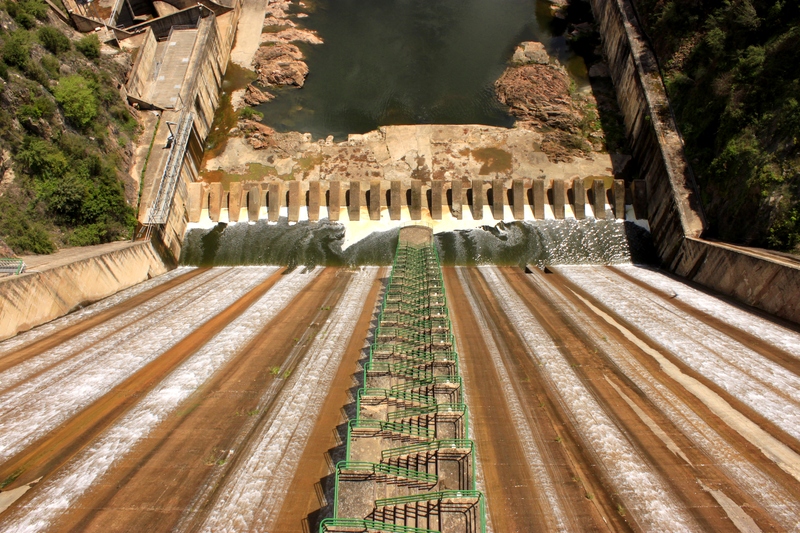
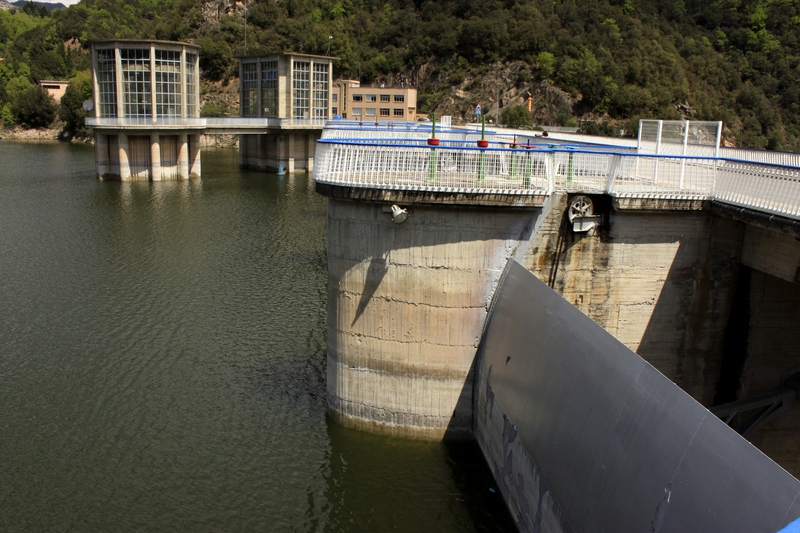
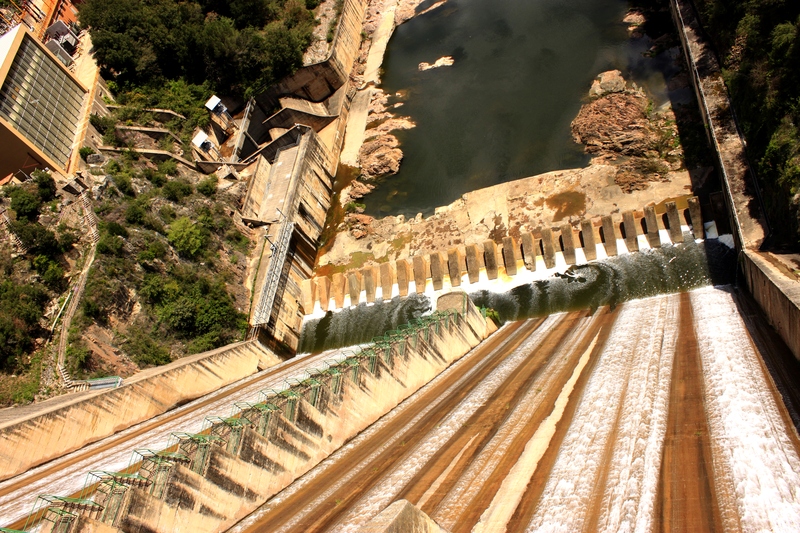
The Sau Dam is one of the most important hydraulic projects in Catalonia. It was built in the middle of the 20th century to control water supply, produce electricity, and protect the area from floods.
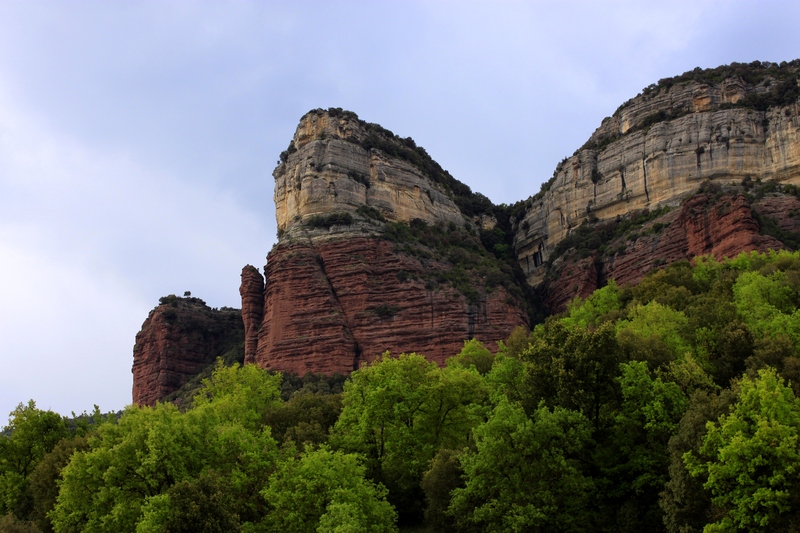
The dam changed the landscape forever. Valleys became a lake. Roads disappeared. And entire villages were sacrificed for progress.
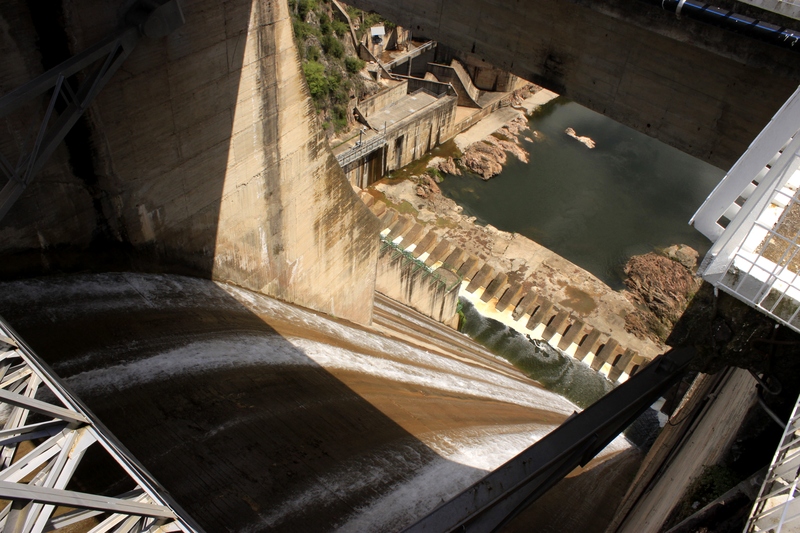
Technically, the dam is a large concrete structure that holds millions of cubic meters of water. It supports nearby cities and agriculture. Without it, modern life in the region would be very different.
But this progress had a price.
Punta de Sau and the Sunken Church of Sant Romà
Before the dam, Sant Romà de Sau was a small rural village. People lived simple lives based on farming, animals, and strong community bonds.
The village church was the center of life. It was built in Romanesque style and stood proudly for centuries. Weddings, funerals, and festivals all happened there.
When plans for the dam were approved, the villagers were forced to leave. Homes were abandoned. Memories were left behind. Slowly, the water covered everything.
What remains today is the church tower, rising like a memory that refuses to disappear.
Visiting During High Water Levels: A Rare and Powerful Sight
I visited Punta de Sau during a time when the water level was very high. Almost the entire church was underwater. Only the top of the tower and part of the roof were visible.
This is a rare moment. Many visitors hope to see the church fully exposed during dry periods. But seeing it almost drowned gave a different emotion.
It felt like watching history slowly breathing under water.
The reflection of the tower on the lake was calm, sad, and beautiful.
Punta de Sau in Recent Times
Today, Punta de Sau is a popular stop for:
- Travelers
- Photographers
- Nature lovers
- History fans
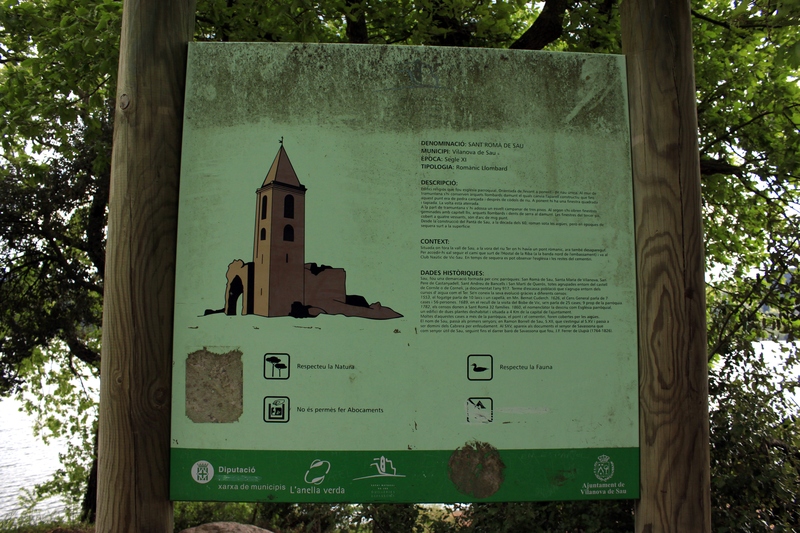
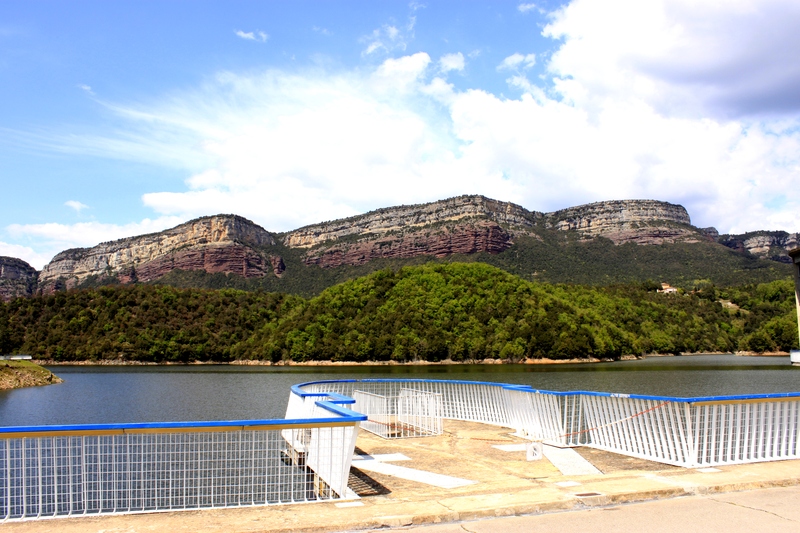
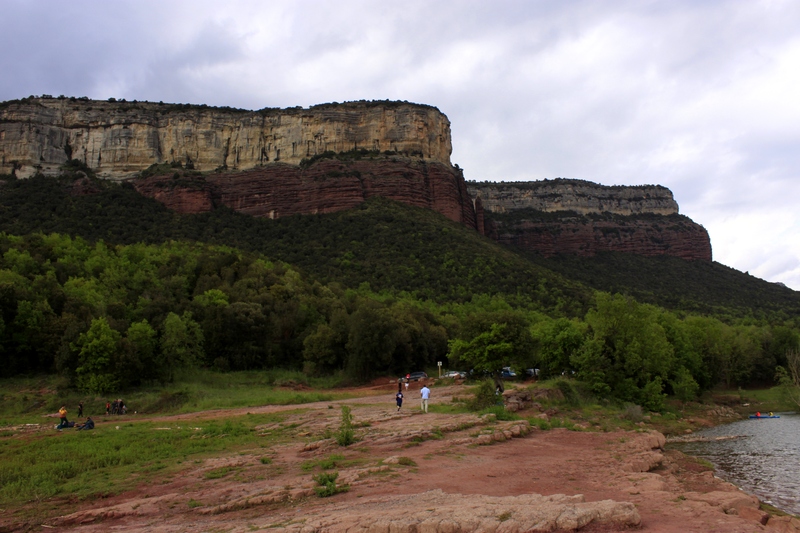
The area is peaceful and well organized. There are viewpoints, walking paths, and signs explaining the place.
The church appears and disappears depending on rainfall and water use. Each visit can look different. This makes Punta de Sau a living landscape.
How to Reach Punta de Sau
The best way to reach Punta de Sau is by car.
- Nearest towns: Vic or Tavertet
- Roads: Mountain roads with beautiful views
- Parking: Free parking near viewpoints
Public transport is limited, so a car is highly recommended.
Costs and Practical Travel Tips
- Entrance: Free
- Best time to visit: Spring or autumn
- Early morning or sunset gives best light
Tips:
- Check weather conditions
- Bring water and snacks
- Respect barriers and safety signs
- Do not enter unstable ruins
Food and Local Stops Near Sau
After visiting Punta de Sau, nearby villages offer great local food.
You can enjoy:
- Traditional Catalan stews
- Grilled meats
- Local cheese and bread
Small restaurants in Tavertet or Vic are perfect for a relaxing meal after the visit.
Curiosities and Interesting Facts
- The church tower acts like a natural water level marker
- Sometimes boats pass near the top of the tower
- When water is very low, old streets appear again
- Locals still feel emotional about the lost village
Why Punta de Sau Leaves a Strong Impression
Punta de Sau is not just about views. It is about memory, loss, and balance between nature and human needs.
Seeing the church almost fully covered by water made me understand how fragile history can be.
This place teaches silence, respect, and reflection.
May every path you take lead to wonder