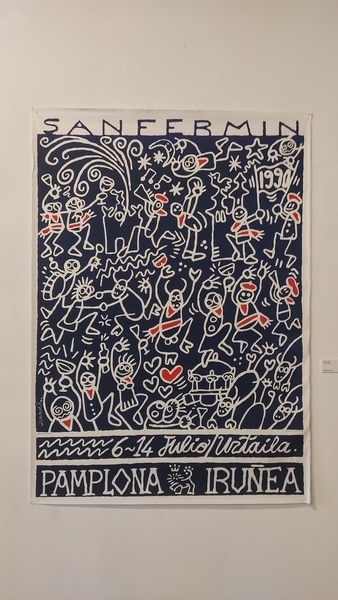
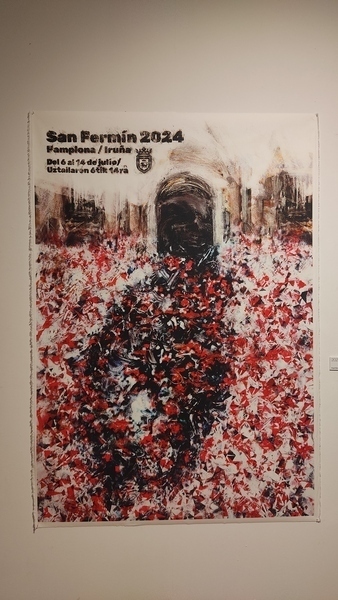
The Fiesta de San Fermín in the city of Pamplona (Navarre region, Spain) traces its roots back to the martyrdom of Saint Fermín, the first bishop of Pamplona, traditionally believed killed around 303 AD.
What we now see as wild party and bull‐run started life as a mix of religious devotion, cattle herding and summer fair. By the 16th century, herds of bulls were driven through the streets towards the ring, and local youth began racing in front of them.
The modern “encierro” route—the famous morning bull run—was set out in the late 1700s: roughly 848 meters from the corrals of Santo Domingo to the bullring.
The American writer Ernest Hemingway made it globally known in his 1926 novel The Sun Also Rises, describing Pamplona’s fiesta as an intoxicating mix of danger and ritual.
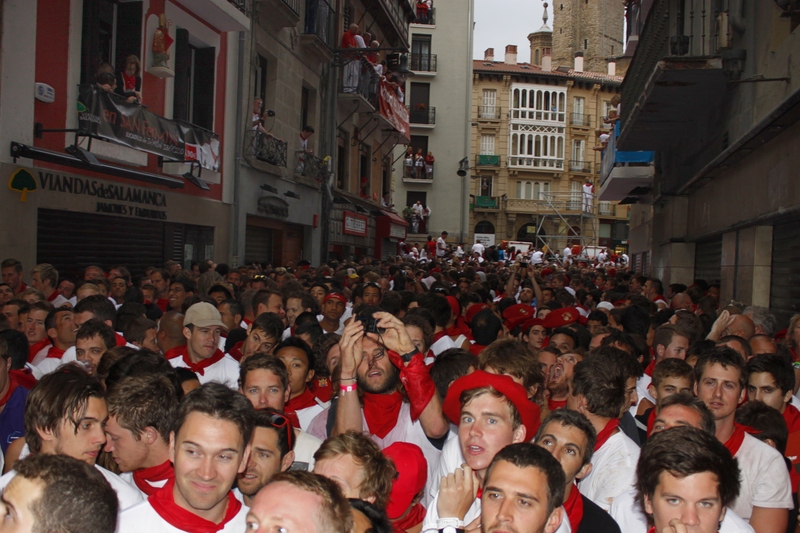
Dressing the Part: White, Red and Tradition
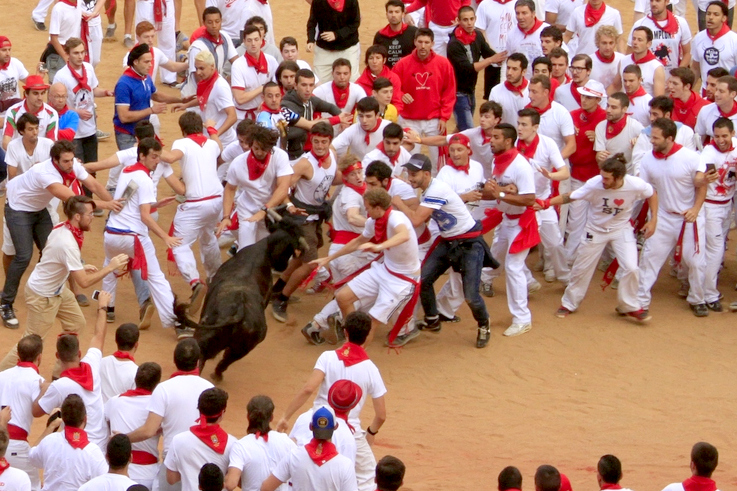
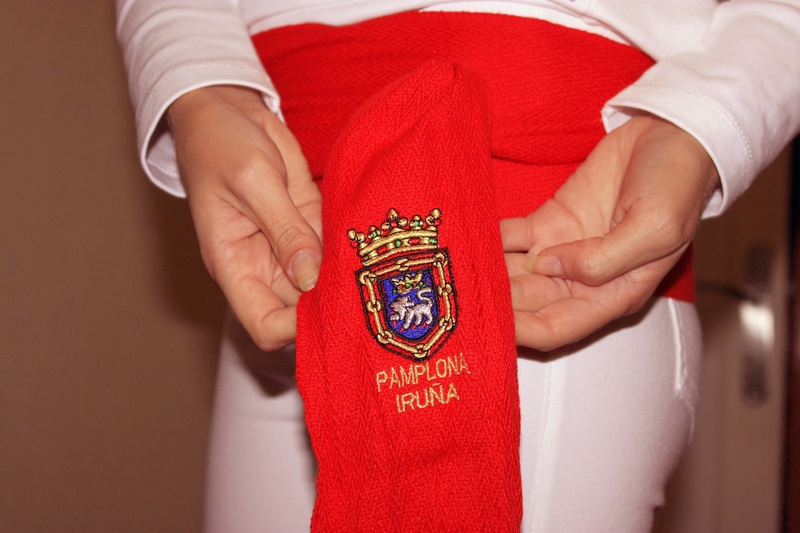
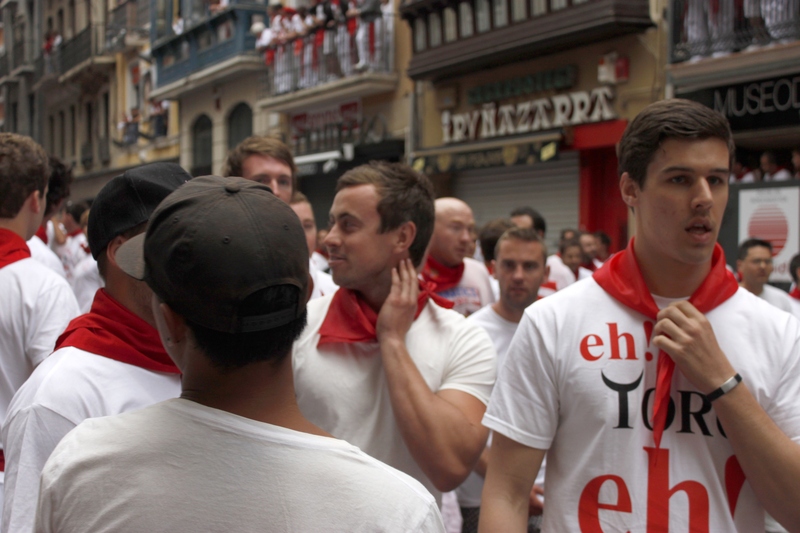
One of the first things you notice is everyone dressed in white with a red sash and neckerchief. The official city tourism site calls it “the usual uniform” of the fiesta.
Key outfit details to blend in:
- White shirt and trousers (or skirt) – the white makes the red standout.
- Red sash (faja) around the waist – typically about 2.5 metres long and 12 cm wide.
- Red neckerchief (pañuelico) tied around the neck as soon as the opening rocket (“chupinazo”) fires.
- Footwear: comfortable shoes (espadrilles used to be common, but in 2025 you’ll want sturdy shoes as cobbles can be slippery).
Practical tip: Pack at least one full white outfit and the red accessories, because buying them on site can be expensive & crowded. And bring shoes you don’t mind getting messy.
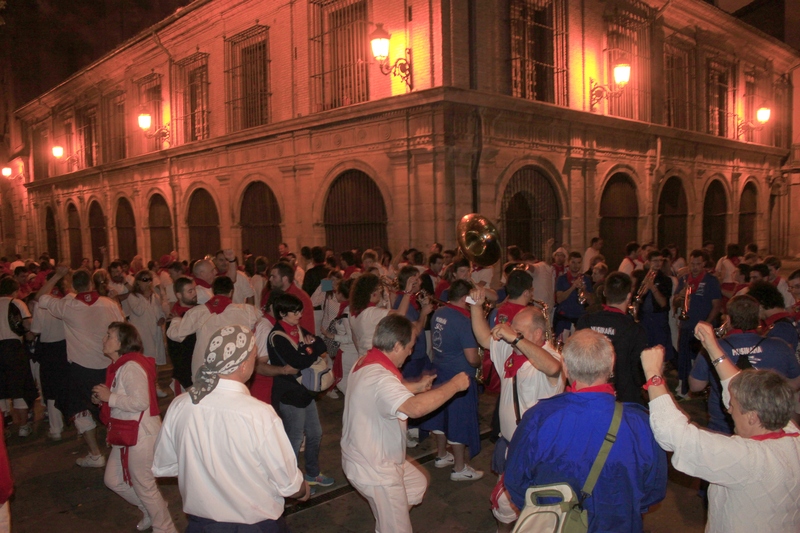
The Street Celebrations from Dawn Until Late
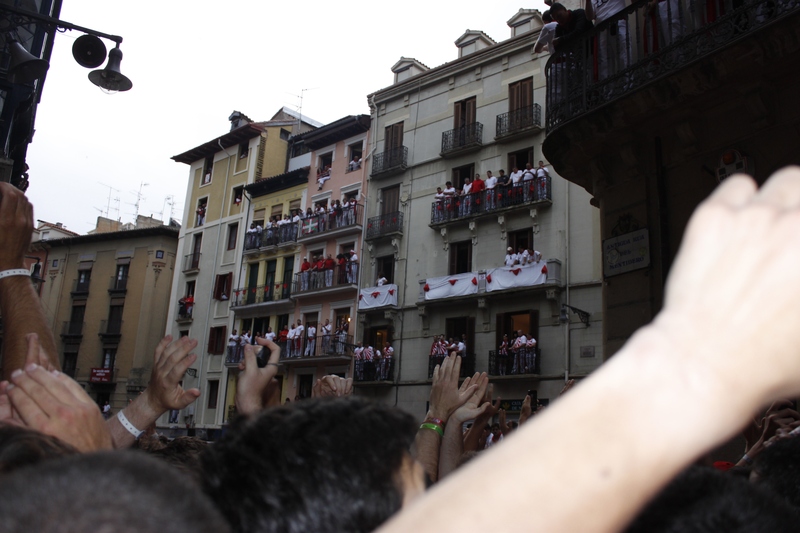
From the moment the festival opens at noon on July 6 (with the dramatic rocket at the city hall square), the streets burst into white‐and‐red chaos.
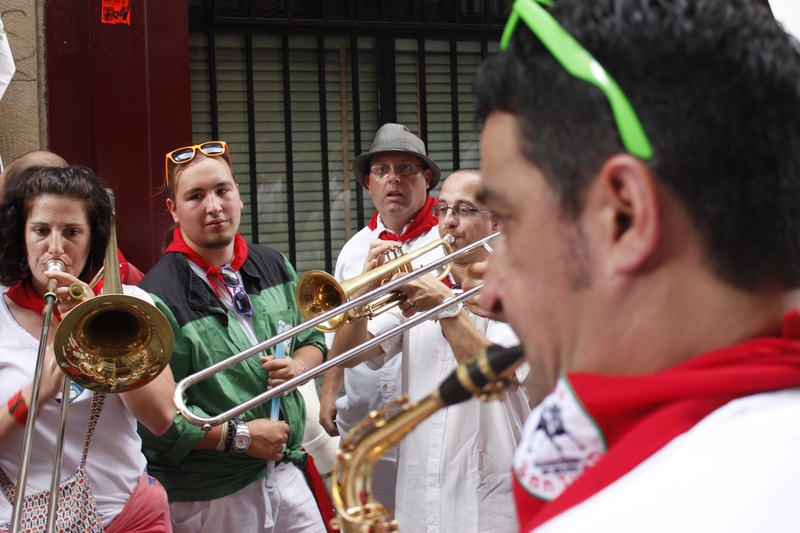
- Every morning around 6:45 AM, you’ll hear the “dianas” – the municipal band marching through the old town playing traditional tunes.
- Between the runs and at all hours: music, processions, dancing, and the peñas (local clubs) roaming the streets with revelry.
- At night, the pace doesn’t slow: bars, street fiestas, sangría flowing, crowds on the sidewalks and balconies. Hidden gem tip: wander the quieter perpendicular streets and you’ll find spontaneous local jam‐sessions away from the main tourist crush.
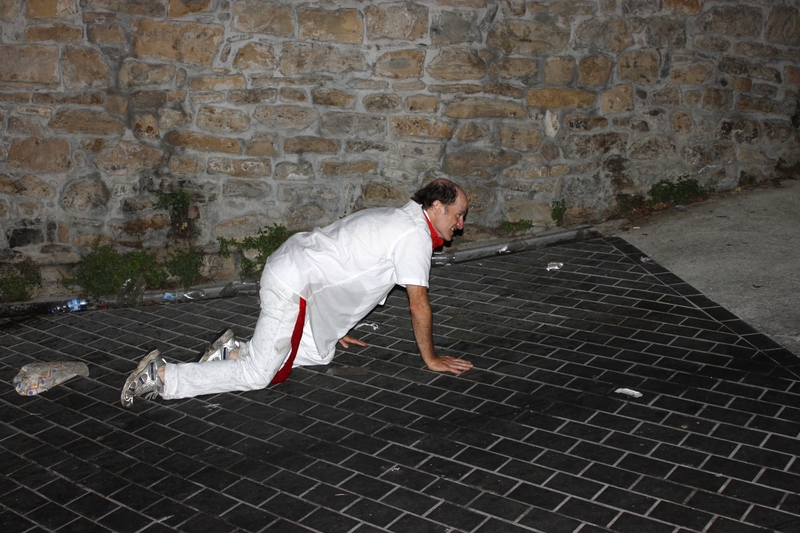
- Late at night and early morning the streets also get messy: trash, glasses, spilt drinks, and the tired, dancing crowd mean being aware is wise.
The Monument: A Bronze Freeze‐Frame of Danger
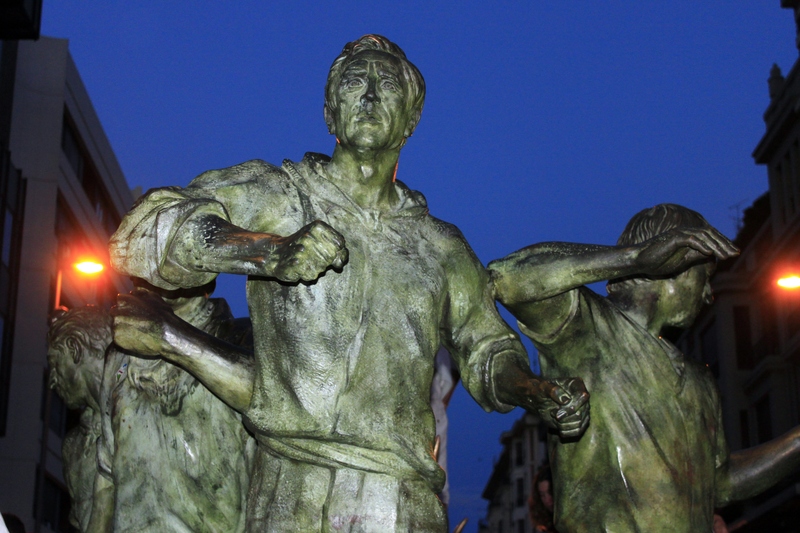
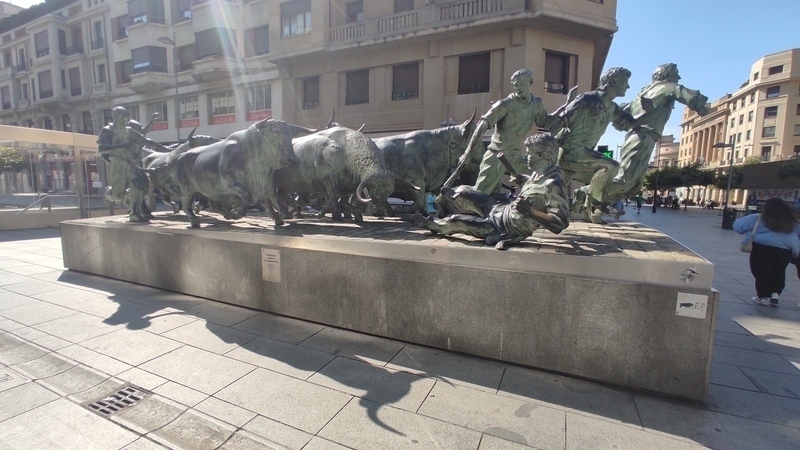
In a quieter moment I visited the remarkable Monumento al Encierro (also called “Monumento to the Running of the Bulls”) by sculptor Rafael Huerta on Avenida Roncesvalles near the bullring.
This stunning bronze composition shows eleven runners pursued by six bulls and three steers – the very motion you see each morning in real life. The scale and tension are captured so well you almost feel the rush.
Why visit: It gives you context and a moment to absorb what the morning run is about—before the adrenalin kicks in. Bring your camera.
The Tradition of the Newspaper Chant and the Saint on the Wall
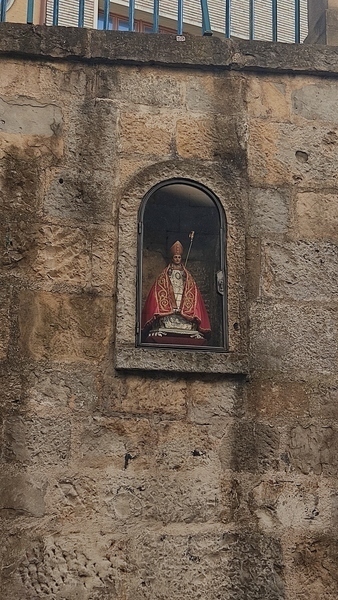
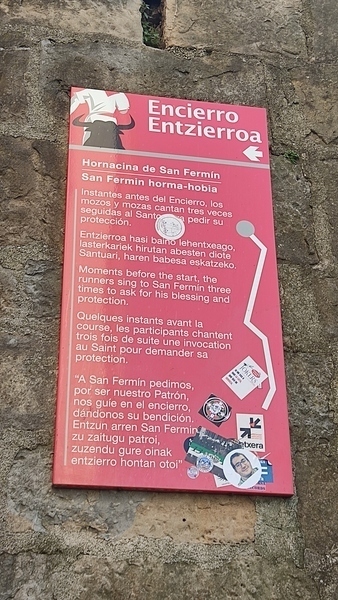
Before every morning run begins, as the first light touches the old stones of Calle Santo Domingo, runners gather at the starting point for one of the most emotional rituals of the San Fermín festival. Facing a small niche in the wall, they raise their rolled-up newspapers high above their heads and chant three times to the image of San Fermín, the city’s beloved patron saint. The words — “A San Fermín pedimos, por ser nuestro patrón, nos guíe en el encierro, dándonos su bendición” — ask the saint to protect them and guide their steps during the dangerous run ahead. Each chant grows louder, the air thick with anticipation, fear, and faith.
The simple newspaper, rolled tight, serves both as a symbolic gesture of humility and as a practical tool — runners use it to signal or distract the bulls if needed. But in this moment, it’s something sacred, a link between modern adrenaline and centuries of devotion. When the final chant echoes off the narrow street, the runners cross themselves, look once more at the small statue of the saint, and ready themselves for the rocket that will release the bulls. This quiet ritual, performed amid thousands of beating hearts, reminds everyone that beneath the madness of the fiesta lies a deep respect for tradition and faith — a silent prayer whispered before chaos begins.
Pamplona’s San Fermin Fiesta: Running with Bulls
Each morning from July 7 to July 14 the run starts at 8:00 AM sharp.
Start point & route:
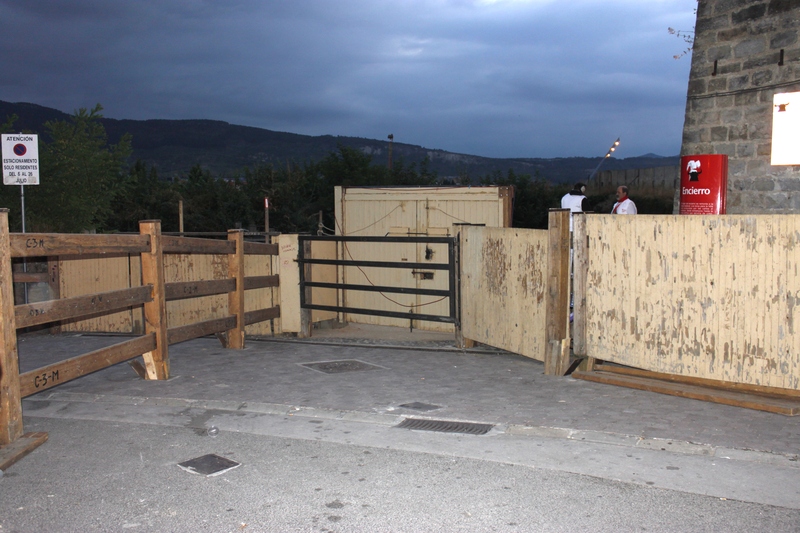
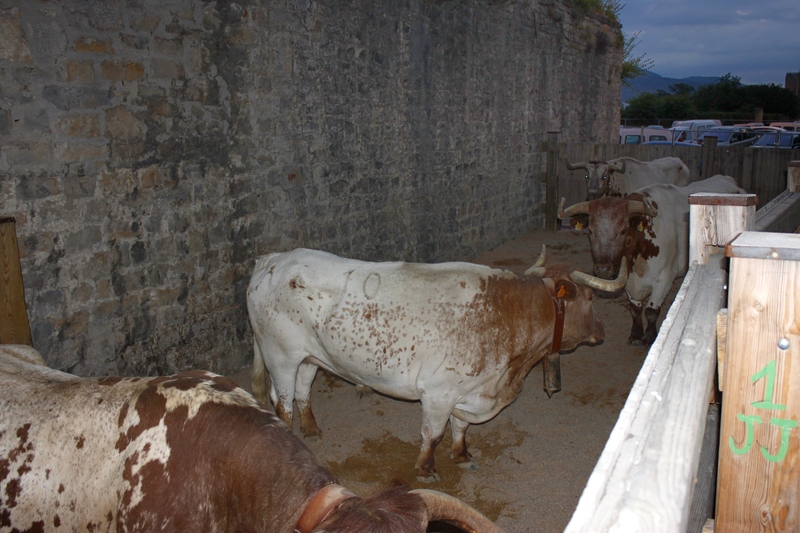
- The bulls are released from the corrals of Santo Domingo.
- The route winds from Santo Domingo, through Plaza Consistorial, then the famous bend at Mercaderes, along Estafeta street, finally to the Plaza de Toros de Pamplona bullring.
- Distance: about 848.6 metres (approx).
- Typical duration: 2–3 minutes for the bulls to gallop through.
The Curva de la Muerte: The Deadly Turn of the Encierro
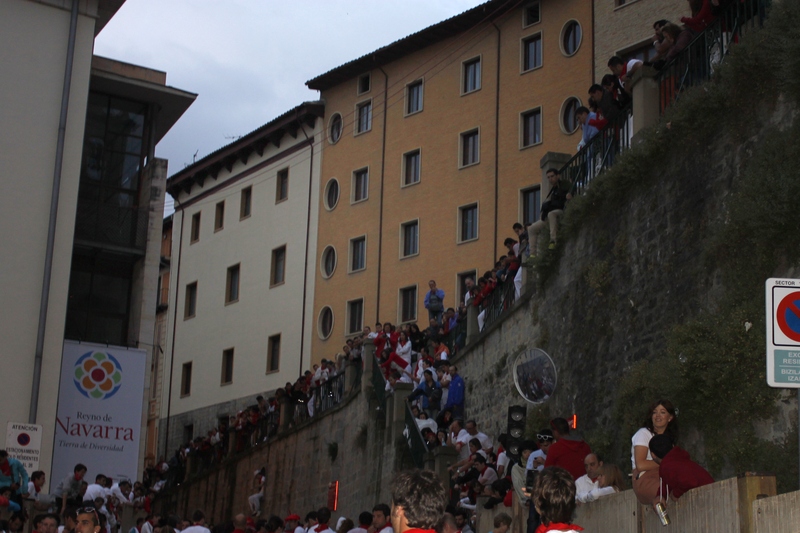
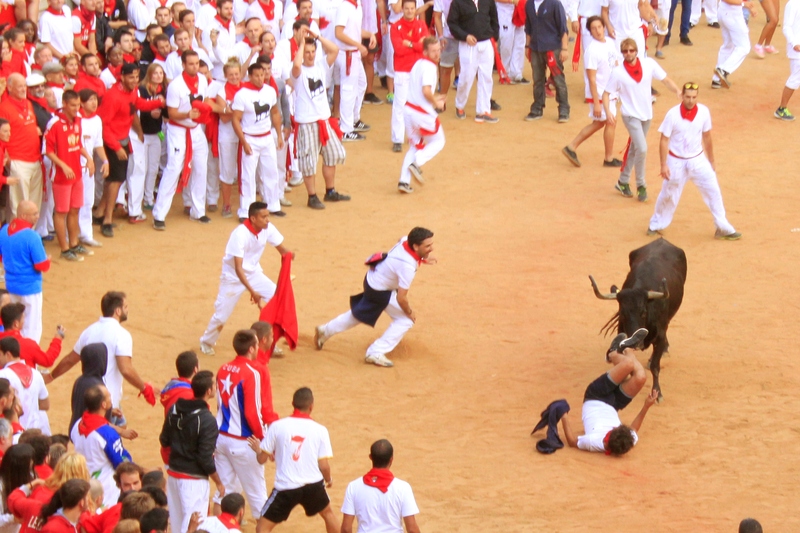
One of the most famous — and feared — spots on the entire encierro route is the Curva de la Muerte, or “Curve of Death.” It’s the sharp right-hand bend where Calle Mercaderes meets Calle Estafeta, just a few hundred meters after the run begins. The nickname is no exaggeration: every year, this slippery corner sends runners and bulls tumbling as the animals, galloping at full speed, struggle to make the tight turn on the cobblestones.
When you stand there early in the morning, pressed against the wooden barricades, you can almost feel the tension in the air before the rocket fires. The bulls often crash into the walls, sending shivers through the crowd — a split-second chaos that decides who keeps running and who hits the ground.
This curve has become a legendary symbol of the San Fermín encierro, representing both the danger and the thrill that make Pamplona’s festival world-famous. It’s a favorite spot for photographers and TV crews because it captures the drama perfectly — flying bulls, fallen runners, and a collective gasp from everyone watching.
If you plan to observe from here, arrive very early (well before 6:00 AM) to secure a safe viewing point. From this corner, you witness not just a race, but a centuries-old dance between courage and chaos — the very heartbeat of the fiesta.
Rules & Risks:
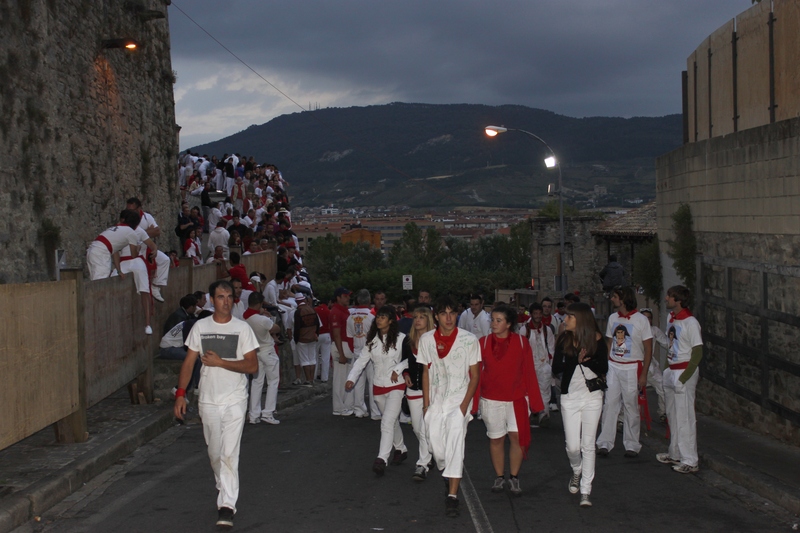
- You must be 18+ to run. Participants must follow safety rules (cannot block exits, must not wear a backpack, etc.).
- It is dangerous: since 1910, 15 deaths have been recorded in the encierro.
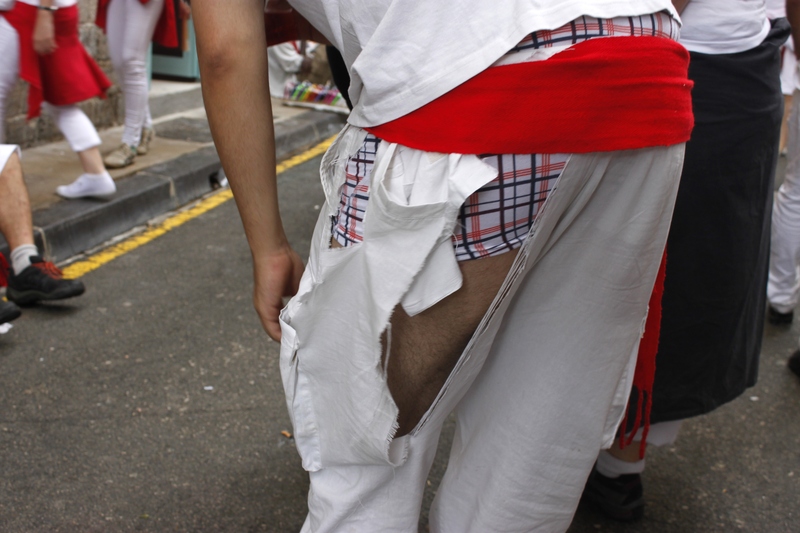
- Many more minor injuries occur each year—falls, bulls slipping, crowd crushes.
My tip: If you are watching instead of running, try to book a balcony on Calle Estafeta or near the bullring well in advance (prices range widely). Arrive by 7 AM. If you are running—prepare mentally, follow the crowd, wear proper shoes, no big bags, stay alert.
Hidden gem view point: At the bend in Mercaderes where many bulls slip—great for photos but if you’re not confident stay on the barrier.
When the Run Meets Tradition in the Bullring
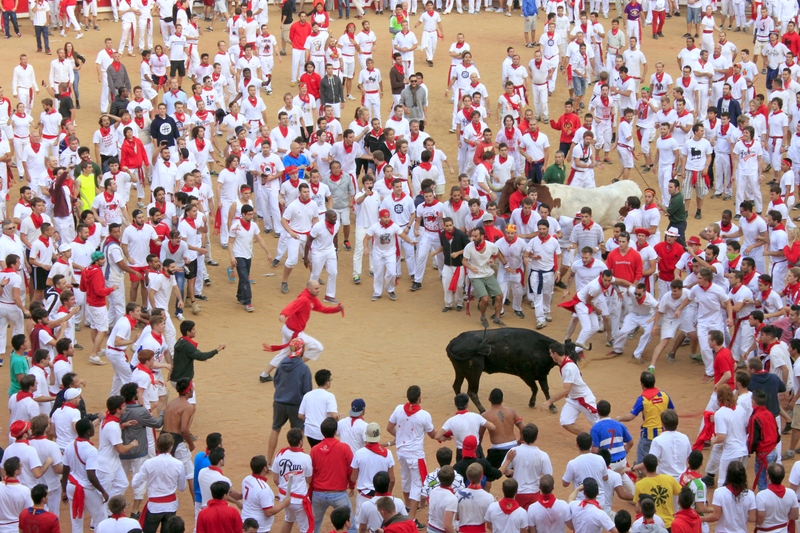
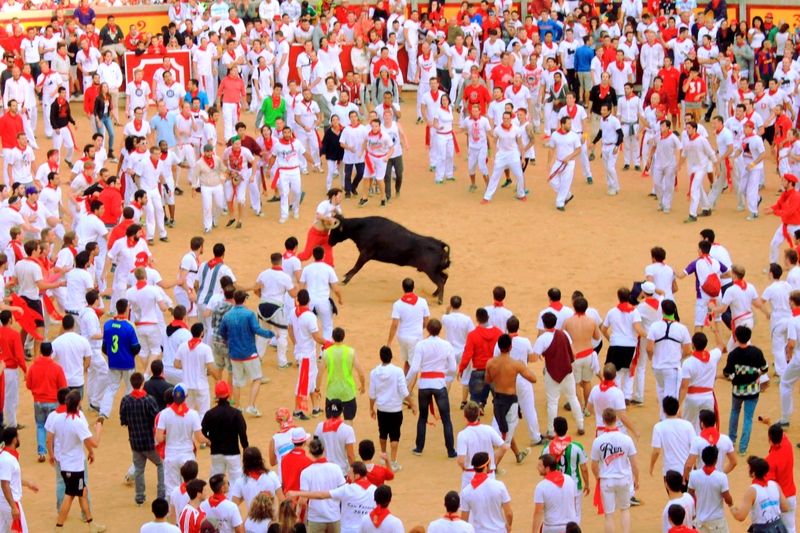
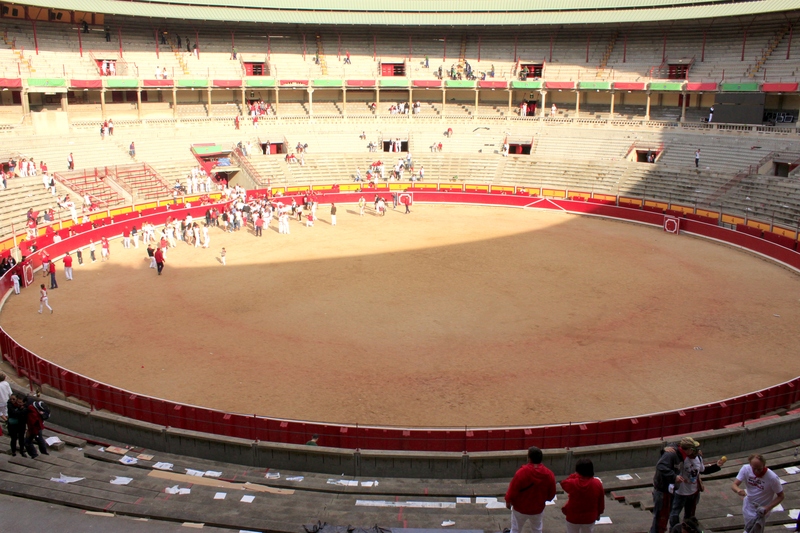
As the thundering of hooves fades and the last runners leap into safety, the bulls charge through the tunnel into the Plaza de Toros de Pamplona — the city’s grand bullring and the heart of the corrida. The encierro (the morning run) ends here, but for the bulls, it’s only the beginning of the evening spectacle.
Built in 1922, the Pamplona bullring is Spain’s third-largest, able to hold more than 19,000 spectators. In the afternoon, the atmosphere changes: white and red fill the stands again, but this time with the mix of excitement, tradition, and debate that surrounds bullfighting.
The same bulls that raced through the narrow streets at dawn now face the toreros (bullfighters) in a ritual of bravery and artistry. The crowd cheers for skilled passes of the cape — the verónica, the pase de pecho — that echo centuries of Spanish culture.
For locals, the corrida de toros is the festival’s emotional core, blending respect for heritage with controversy and passion. For visitors, it’s an experience that reveals how deeply rooted symbolism runs in Pamplona’s identity. Even if you don’t wish to attend a bullfight, being near the bullring at this hour is special: music bands parade around, fans fill the nearby bars, and you can feel the tension and excitement ripple through the city.
Night Street Mess & Revelry
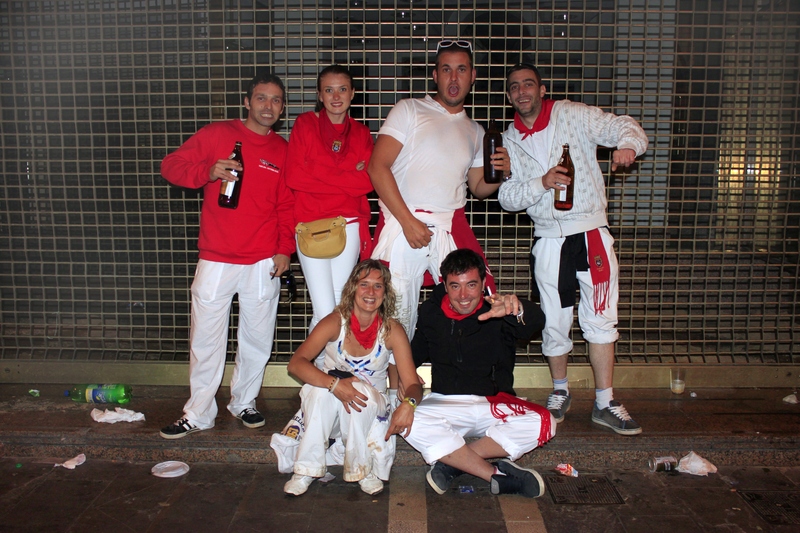
The fiesta doesn’t stop at sunset. I walked the streets long after the music faded. Some scenes were magical: large crowds, fireworks in the citadel park, impromptu street dancing. But also: heaps of trash, broken glass, stumbling and drunken people.
Safety note: Stay aware. Avoid carrying valuables in open pockets. Consider leaving the run route area after 11 PM when the streets get louder and wilder. Some parts may feel rough.
Hidden gem: Head to the Alba Plaza side or the quieter Old Town lanes post‐midnight for slightly calmer atmosphere.
Food, Hidden Gems & Practical Travel Info
Transport:
- Pamplona has a small airport; more commonly arrive via train or bus from Madrid, Barcelona or Bilbao.
- Once in town, walking is easiest—many streets are pedestrians only for the fiesta.
Accommodation & Costs: - Hotels fill up extremely early for the festival—book months ahead.
- Expect higher prices than other times. Consider staying in a nearby village and commuting for day trips.
Food & Drink: - Typical local pintxo bars in the old town serve delicious small snacks for a few euros.
- Morning “diana” is often followed by warm broth breakfast (as the local tune goes).
- Street vendors sell sangría, but be cautious of price and quality.
Hidden food gem: Walk to the Plaza del Castillo early morning before the crowds—great café seats. - Find time to try Kalimotxo – a drink consisting of equal parts red wine and a cola-based soft drink.
A Few Curiosities You Might Love
- Originally, the red neckerchief is said to reference the blood of Saint Fermín’s martyrdom.
- The permanent wooden fence for the encierro was introduced in 1776 to replace old blankets used to protect intersections.
My days in Pamplona felt like living inside a story—not just watching the festival, but becoming part of it. From tying my red sash and scarf, feeling the early morning buzz, standing by the runners, to joining the night crowds—I felt the pulse of San Fermín.
It’s loud, it’s wild, it’s historic, and yes—risky. But if you go prepared, respectful and curious you’ll come away with memories you’ll never forget.
Let the world guide your footsteps and your soul dear travelers!