The Dream of Güell and Gaudí
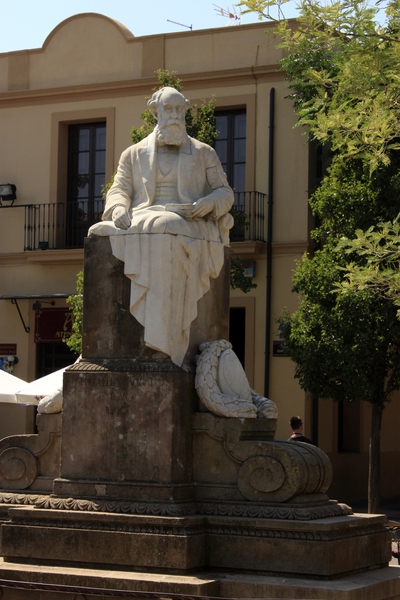
Eusebi Güell was a rich industrialist in Barcelona. He was also Gaudí’s most important patron and friend. In the 1890s, he moved his textile factory outside the city to create a better life for his workers. This was Colonia Güell and Colonia Güell Crypt.
He asked his friend, Antoni Gaudí, to build a church for this new community. For Gaudí, this project became a creative playground. Here, he tested wild ideas that would later define his most famous work.
A Chapel Born from Friendship and Business
The partnership between Gaudí and Güell was special. Güell’s businesses, from textiles to shipping, funded Gaudí’s visions. The Colonia Güell church was their most collaborative project. It was meant to be the heart of the workers’ community.
Sadly, only the lower level, the Crypt, was finished before Güell’s family stopped funding in 1914. Gaudí abandoned the project. What remains is not a ruin, but a complete and breathtaking piece of art.
Gaudí’s Crypt: An Architectural Revolution
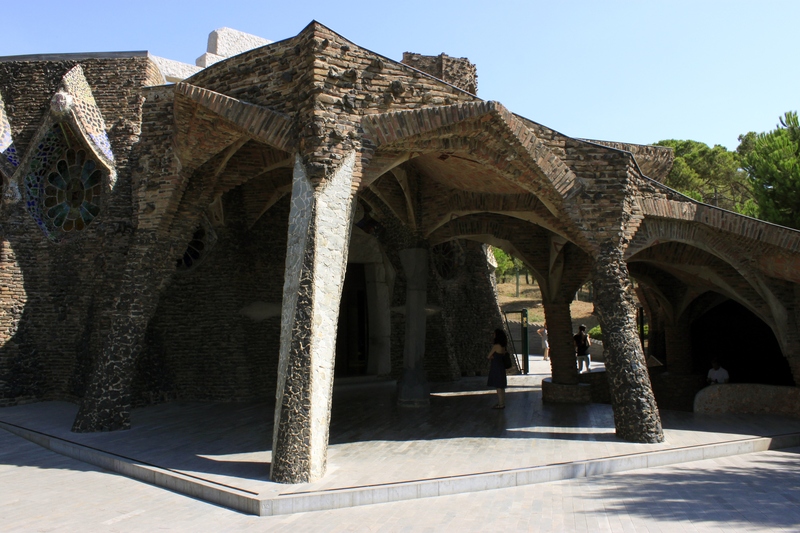
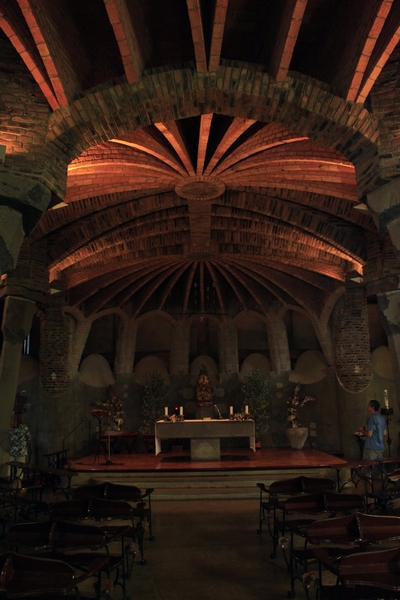
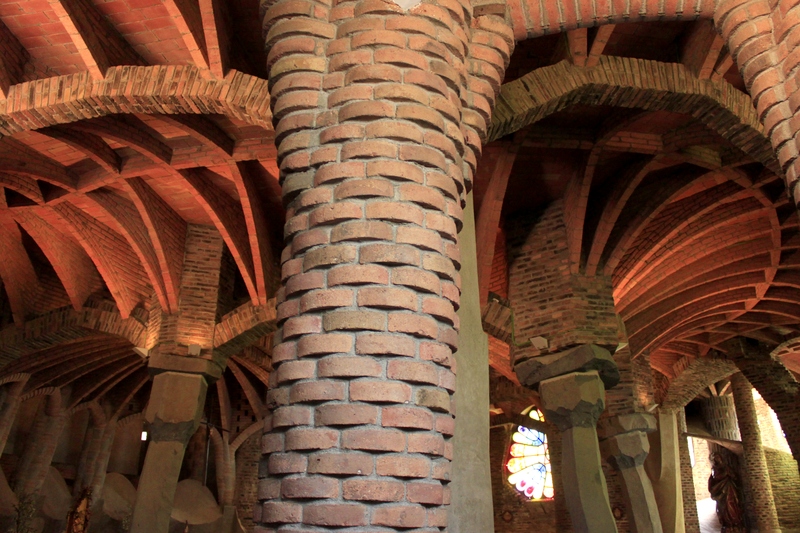
Walking into the Crypt feels like stepping into a stone forest. The columns are made of different materials like brick, basalt, and limestone. They tilt at surprising angles, holding up a roof of hyperboloid vaults.
This was Gaudí’s real-life experiment. He used his famous “inverted chain model” here. He made a model of the church with strings and small weights hung upside down. This showed him the perfect angles for the columns and arches to support weight. This method was key for designing the Sagrada Familia.
Hidden Details and Artistic Treasures
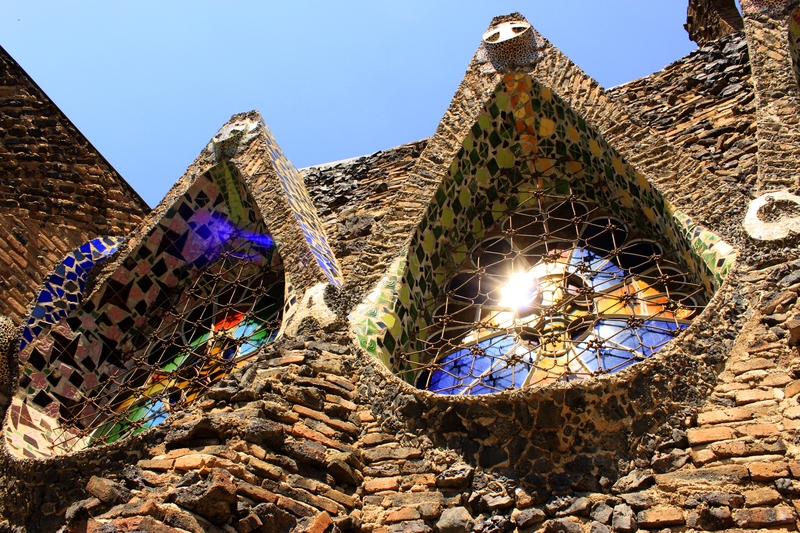
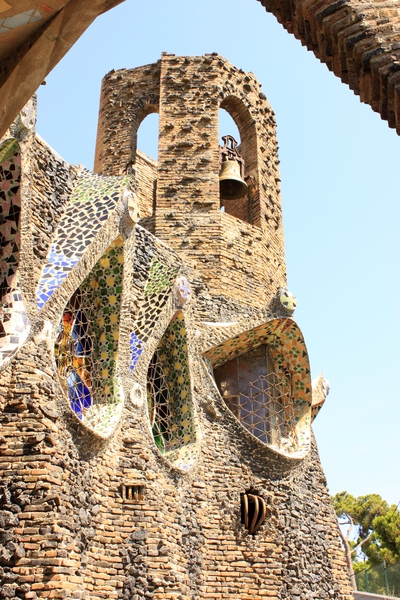
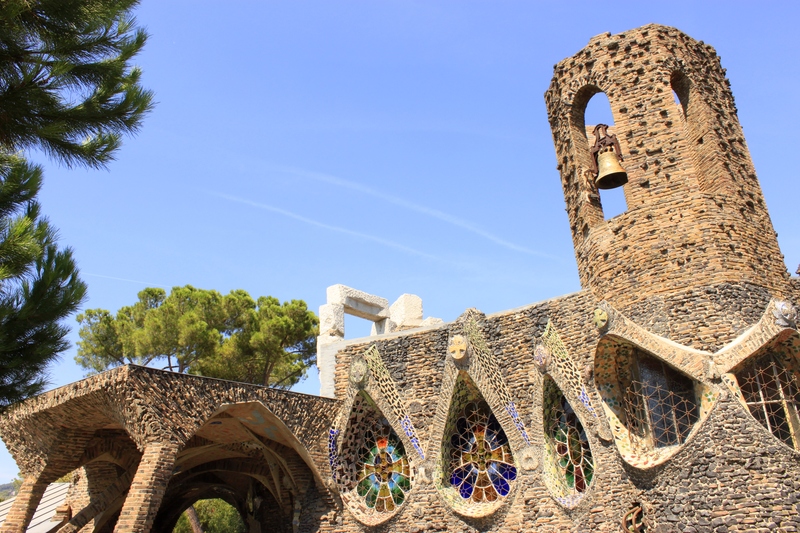
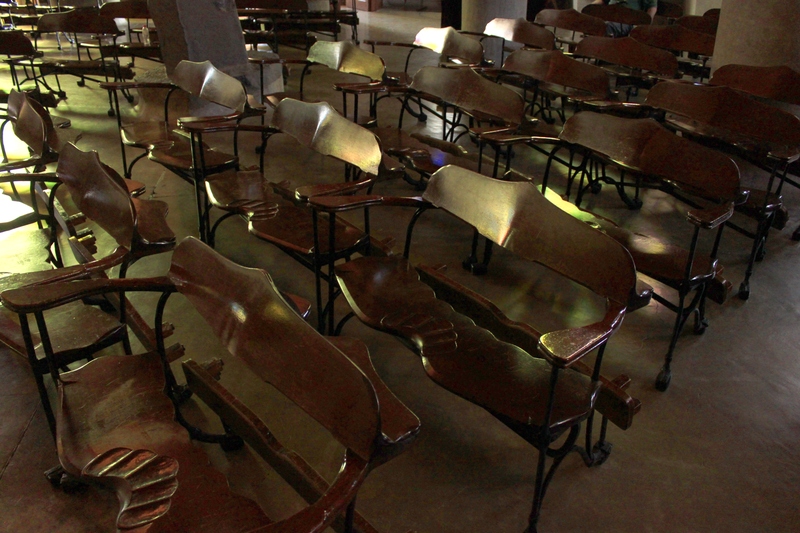
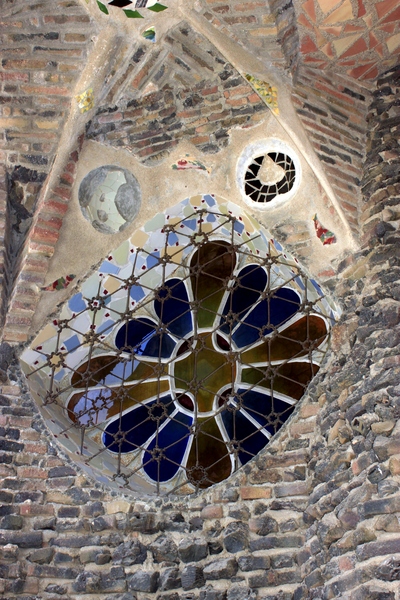
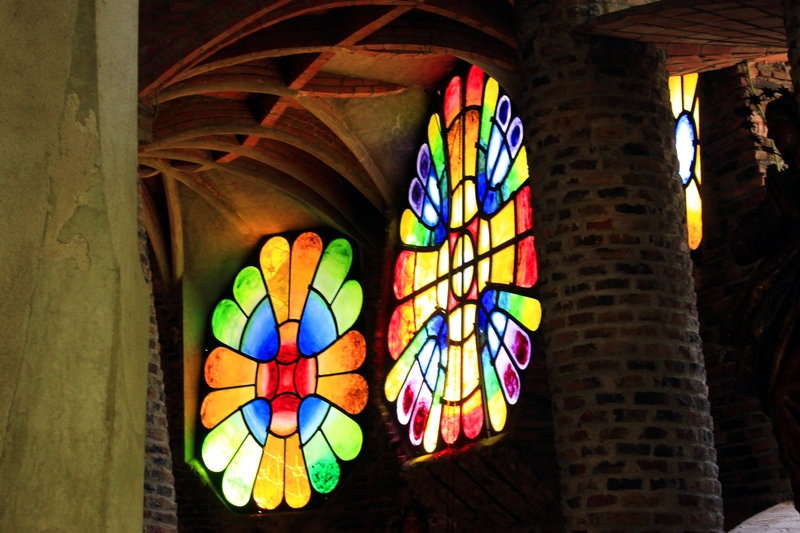
Look closely and you will find magic in the details. The beautiful wooden benches inside are original Gaudí designs, curved perfectly for comfort. The colorful stained-glass windows fill the space with warm, divine light.
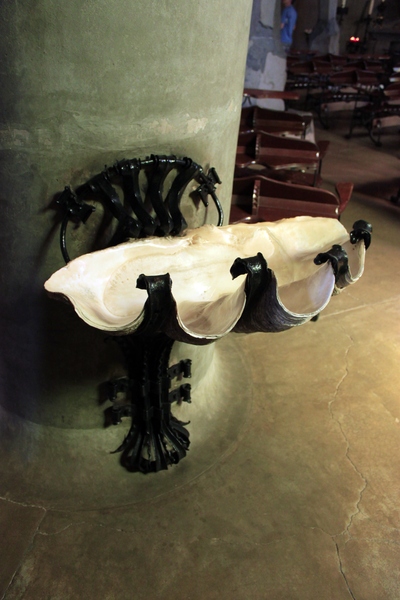
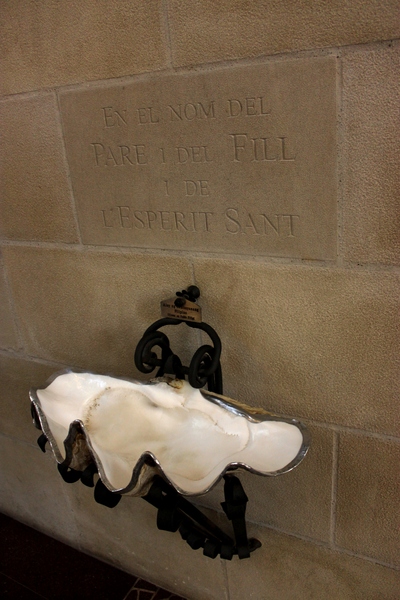
Don’t miss the holy water font at the entrance. It is held by a large, realistic shell. Gaudí used an identical shell years later in the Sagrada Familia. It is a direct link between his secret test and his public masterpiece.
Beyond the Crypt: The Workers’ Colony
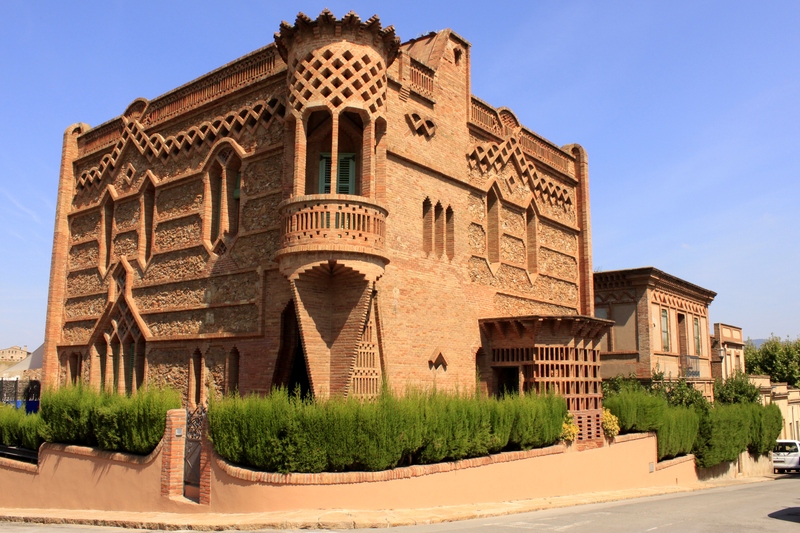
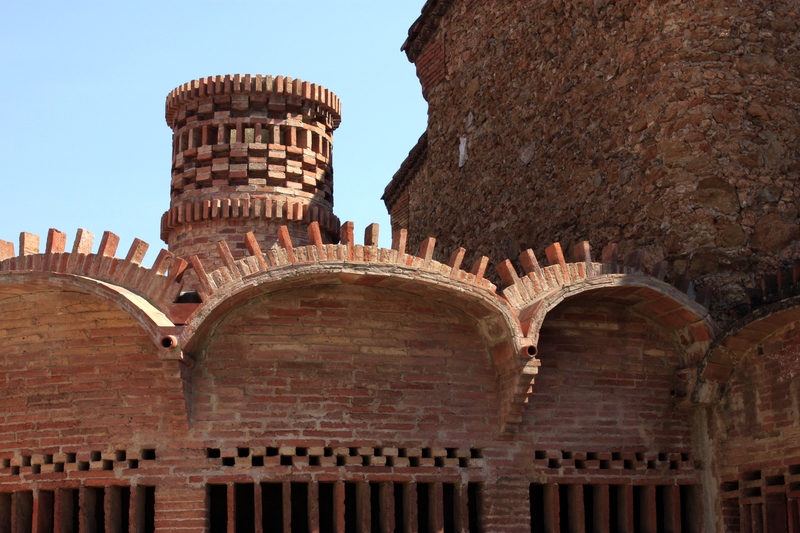
The Crypt is the star, but the colony itself tells a story. Gaudí also designed small buildings for the factory managers and plans for workers’ homes. You can see his touch in the gatehouse and the school.
Walking around the quiet, tree-lined streets shows Güell’s vision of an ideal industrial village. It had houses, a school, a theater, and shops for the workers’ families. It is a unique piece of social history.
Planning Your Visit: Practical Travel Tips
Getting There: Colonia Güell is in Santa Coloma de Cervelló, about 20 minutes from Barcelona. Take the FGC train line S3, S4, S8, or S9 from Plaça Espanya station. Get off at “Colonia Güell.” The train ride is part of the Barcelona metro/bus ticket system.
Costs & Hours: Entry to the Crypt costs around €10-12. Check the official website for current prices and opening times, as they change by season. Buying tickets online in advance is wise.
Hidden Gem & Food: After your visit, walk five minutes to the “Ca l’Espardenyer” bar. It is a local spot in an old rope-making workshop. They serve great “bocata de calamari” (squid sandwich) and cold beer. It is full of authentic charm.
Useful Info: Allow 2-3 hours total. Combine the Crypt with a stroll through the colony. The visit is mostly accessible, but there are some uneven paths. Information panels are in multiple languages.
The Unfinished Symphony and Sagrada Familia
The Colonia Güell Crypt is often called the “blueprint” for the Sagrada Familia. Here, Gaudí perfected his structural ideas. The leaning columns, the organic shapes, and the fusion of light and space were all tested here first.
Visiting this crypt is like looking at Gaudí’s sketchbook. It is more intimate and raw than the soaring Sagrada Familia. You see the genius in its pure, experimental form, without the crowds. It is a deeply moving experience for any architecture lover.
Curious Details: The factory chimney has a star-shaped top, a small Gaudí signature. Some bricks in the Crypt have worker’s fingerprints pressed into them, a hidden human touch from 1900. Local legend says the chapel’s floor plan looks like a snake, a symbol of Güell’s business cunning.
If you are interested in Antonio Gaudi works in Barcelona, you can check my other articles for: Park Güell, Güell Pavilions, Casa Milà (La Pedrera).
The horizon rewards the brave step.