

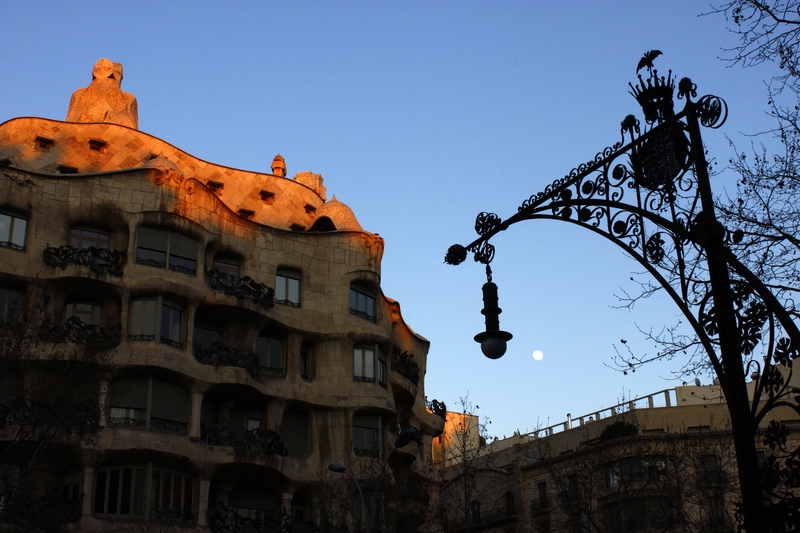
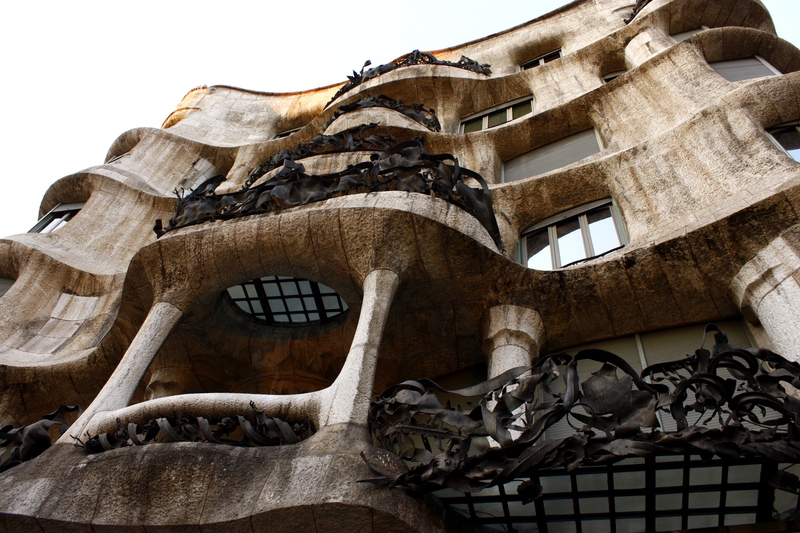
La Pedrera, also known as Casa Milà, stands on one of Barcelona’s busiest streets. From the outside, it already feels different. The stone façade looks like waves frozen in time. There are no straight lines, no sharp corners — everything flows.
When I entered, I immediately felt that this is not just a building. It feels alive, like a sculpture you can walk inside.
The History of La Pedrera – A Bold Idea
La Pedrera was built in the early 20th century by the famous architect Antoni Gaudí. At that time, many people did not understand his ideas. The building was criticized and even mocked. Some locals called it “the stone quarry,” which is how it got the name La Pedrera.
Gaudí designed it as a private residential building for a wealthy family. But he also wanted to break rules. He used stone, iron, light, and space in new ways. Over time, the building became one of the most important examples of modern architecture in the world.
Curious detail:
La Pedrera was one of the first buildings designed with underground parking and natural ventilation.
The Attic – The Heart of Gaudí’s Mind
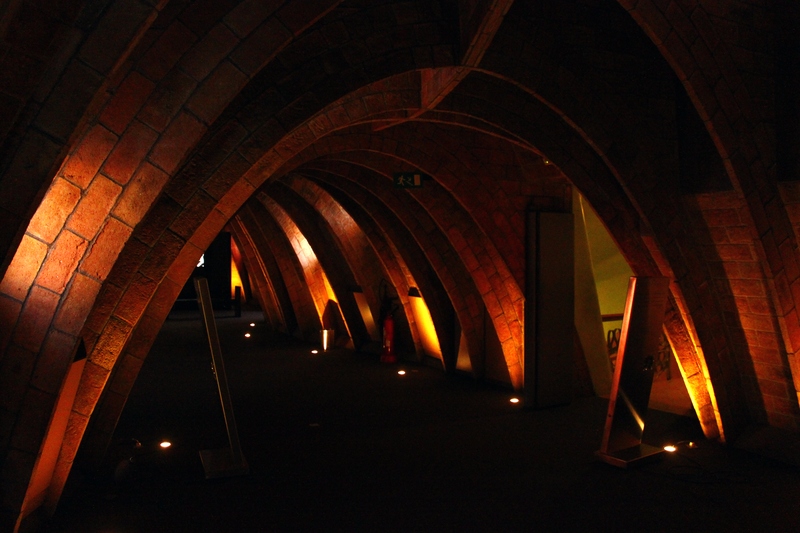
The attic of La Pedrera is one of the most impressive spaces in the building. It is made of a long series of white arches that look like bones or waves. Walking through it feels calm and futuristic at the same time.
This space now hosts an exhibition about Gaudí’s life and work. You learn how he used nature as inspiration — bones for structure, plants for shapes, and wind for ventilation.
Curiosity:
The attic was originally used as a storage and laundry area. Gaudí designed it to be functional and beautiful at the same time.
The Rooftop – A World of Chimneys and Views
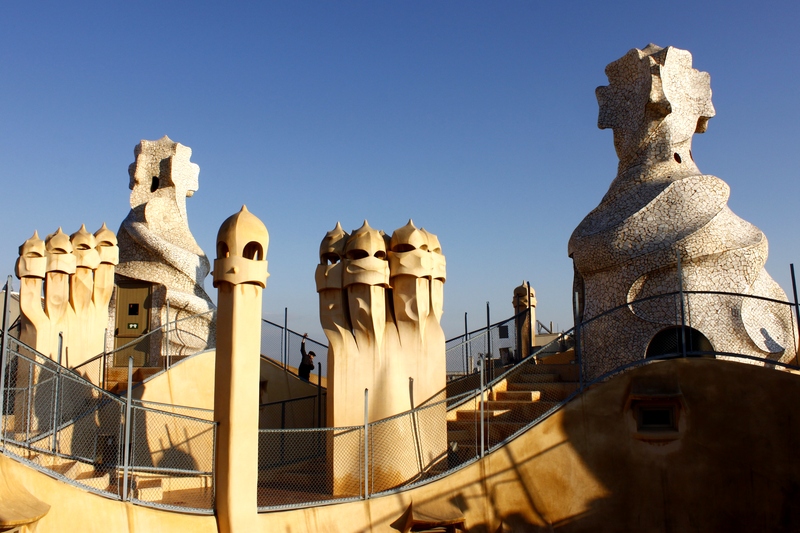
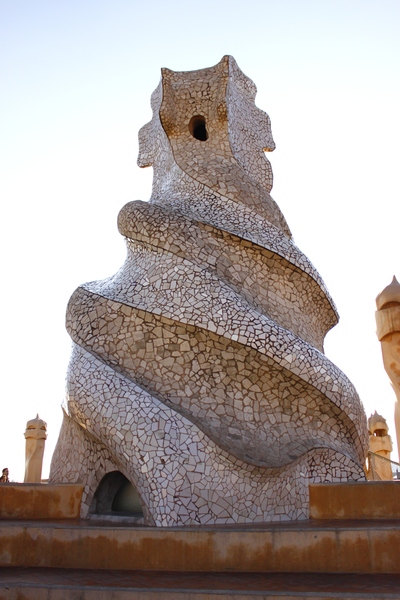
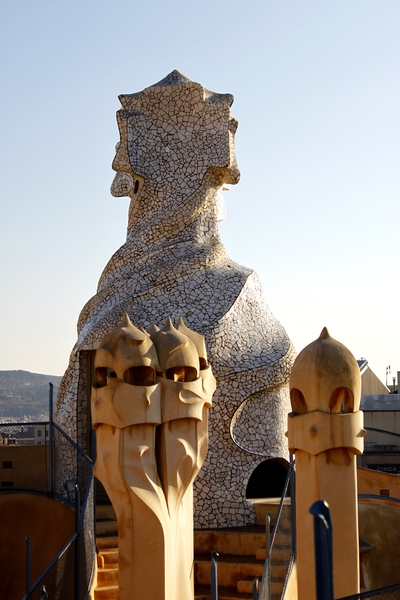
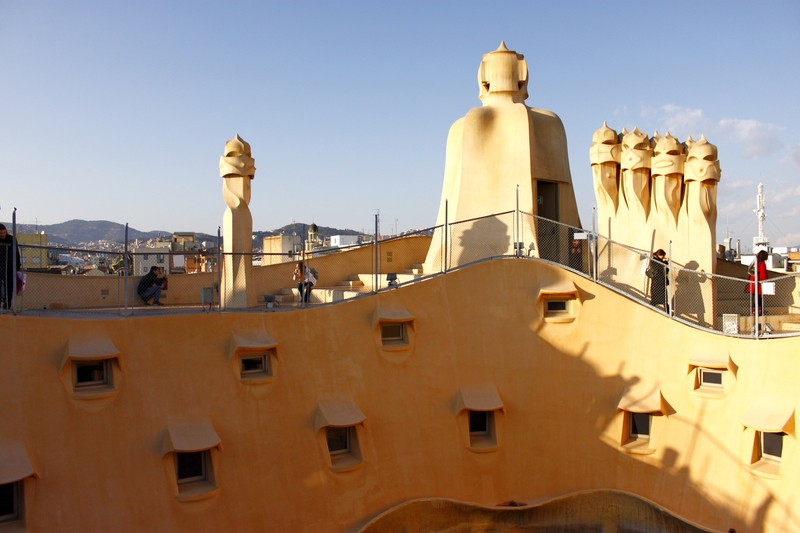
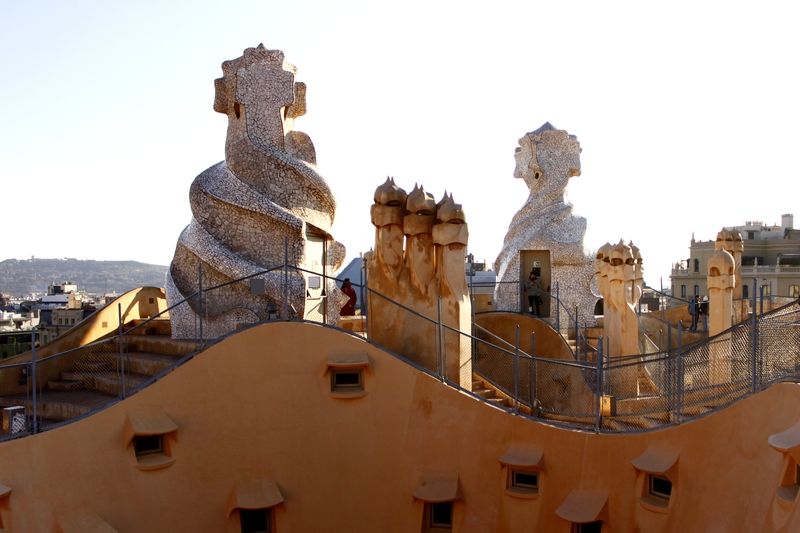
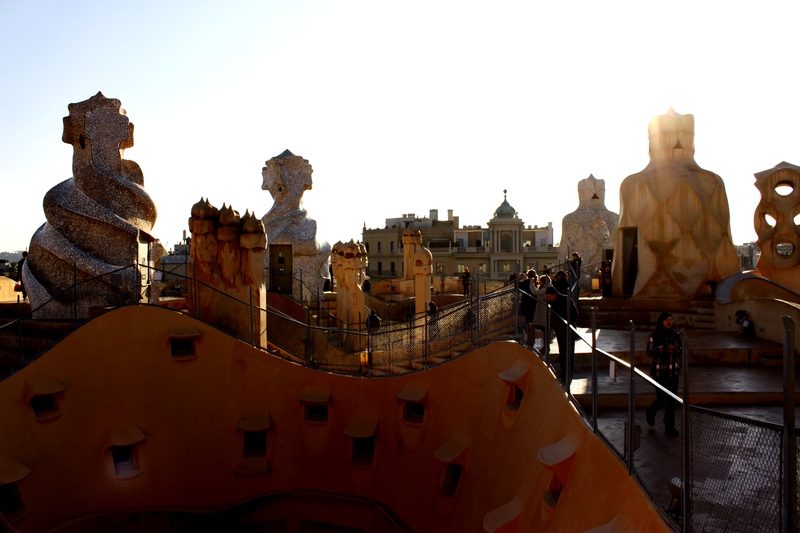
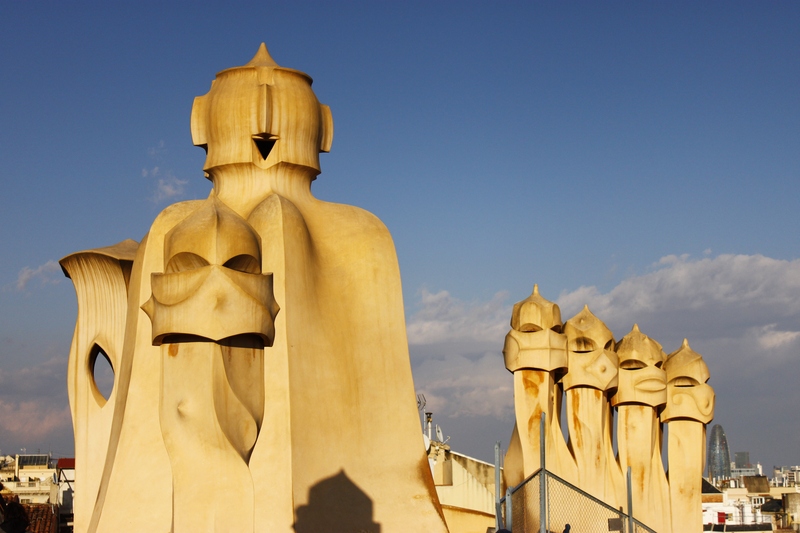
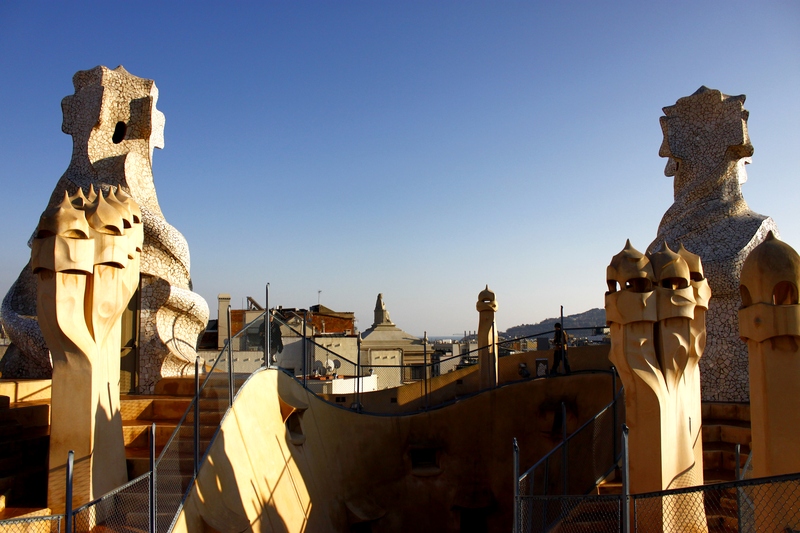
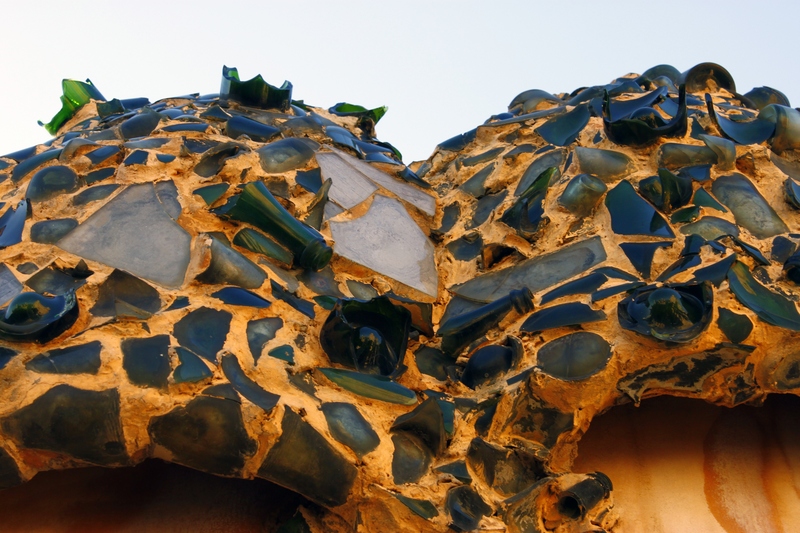
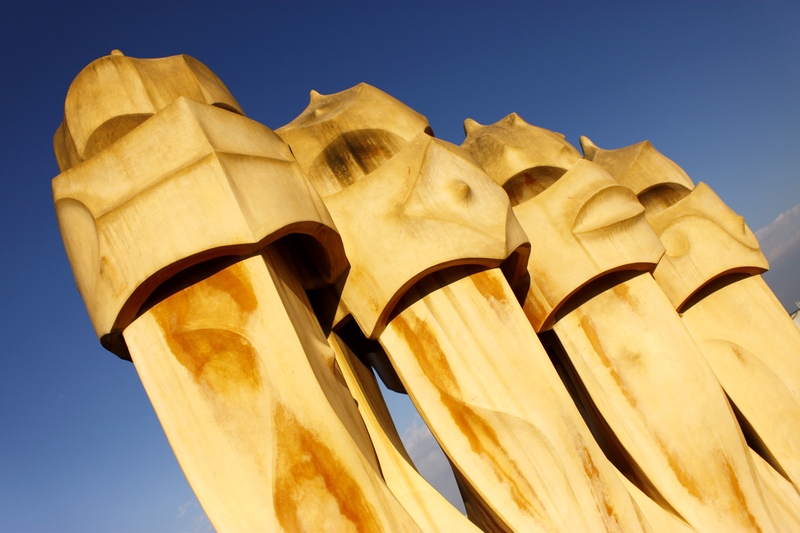
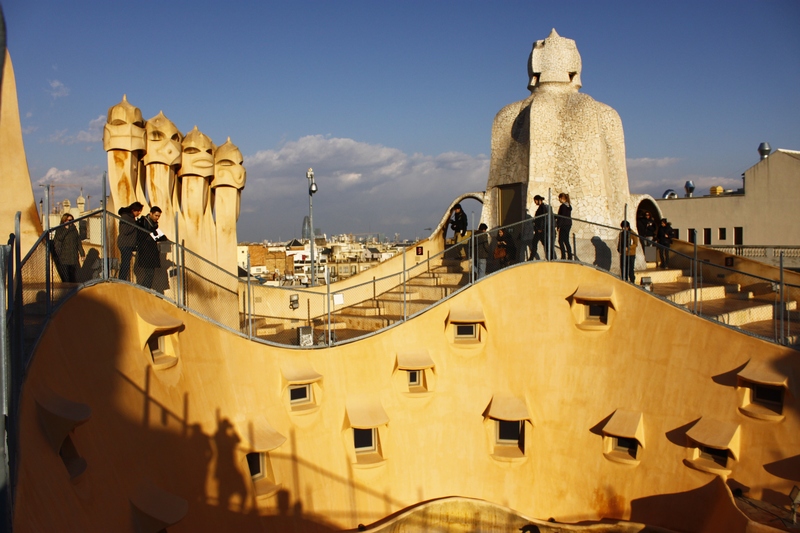
The rooftop of La Pedrera is unforgettable. Instead of simple chimneys, Gaudí created sculptural forms that look like warriors, masks, or silent guardians watching over the city.
Walking among them feels like walking through an open-air art museum. From here, you get wide views of Barcelona — rooftops, streets, and distant hills.
Hidden detail:
Many of the chimneys are not only decorative. They are part of the ventilation system, designed to work with wind and temperature.
Sunset tip: Late afternoon light makes the rooftop shapes even more dramatic.
The Exhibition Area – Understanding the Vision
Inside La Pedrera, several rooms are dedicated to exhibitions. These spaces explain:
- Gaudí’s creative process
- architectural models and drawings
- materials and construction techniques
- how people lived in the building in the past
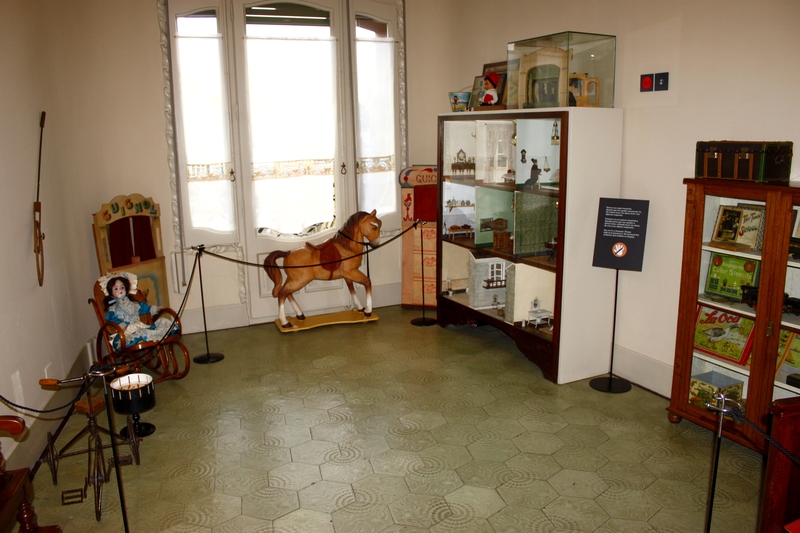
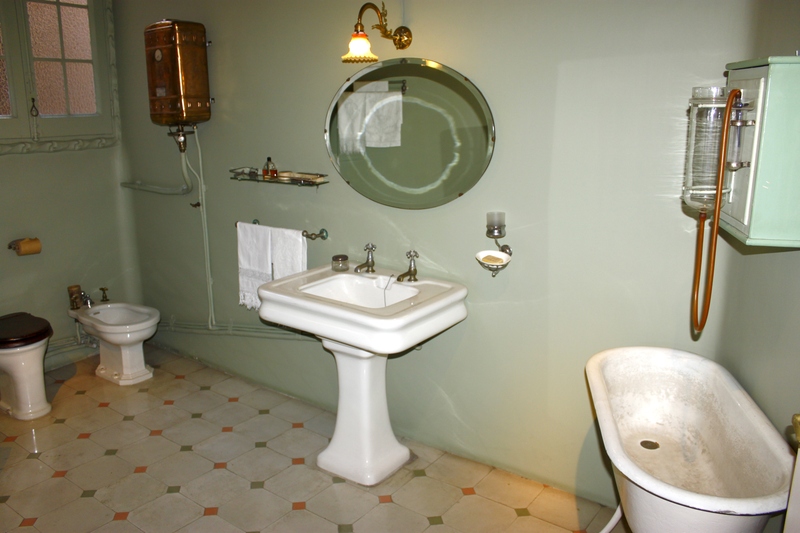
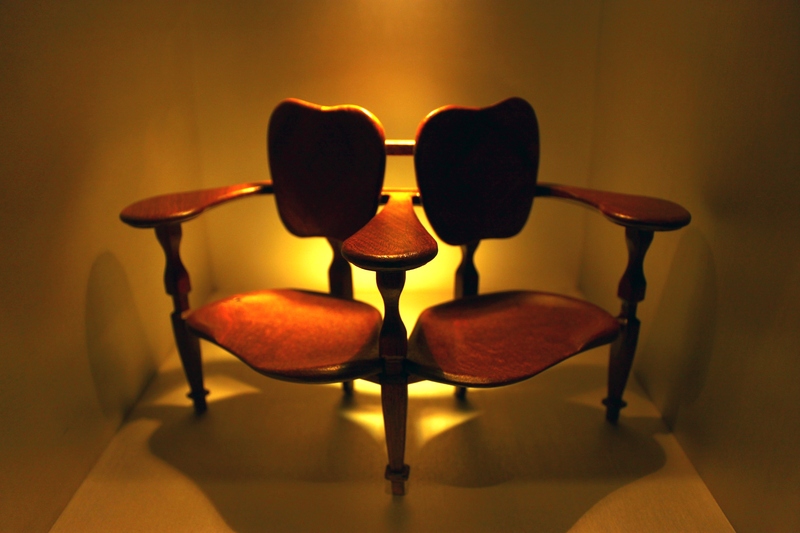
One floor is arranged as a historical apartment, showing how a family lived here in the early 1900s. Furniture, colors, and details help you imagine daily life at that time.
Curiosity:
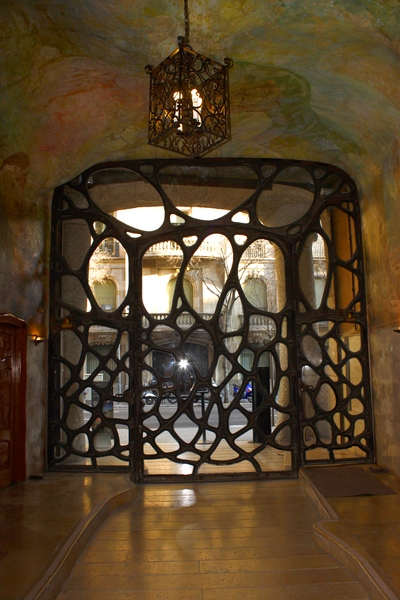
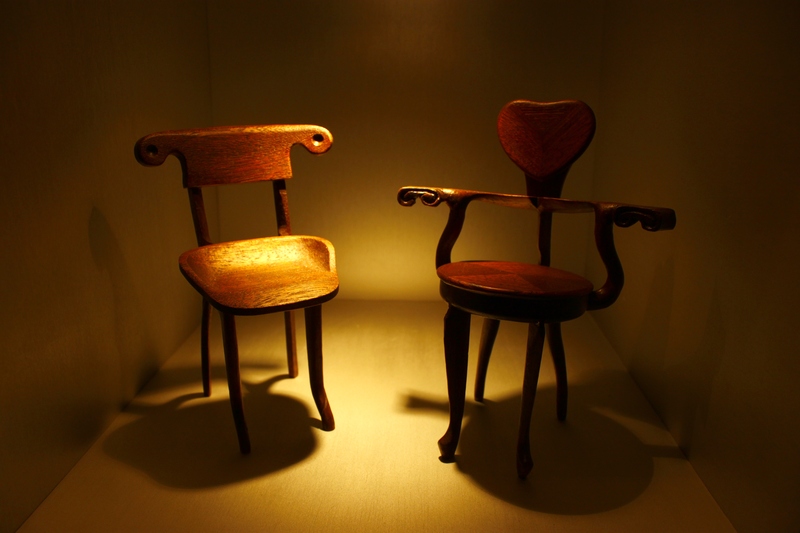
Gaudí designed door handles to fit the human hand perfectly.
Courtyards and Light – Nature Inside Stone
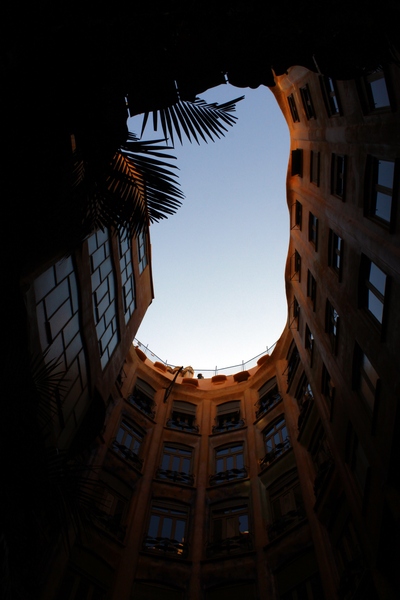
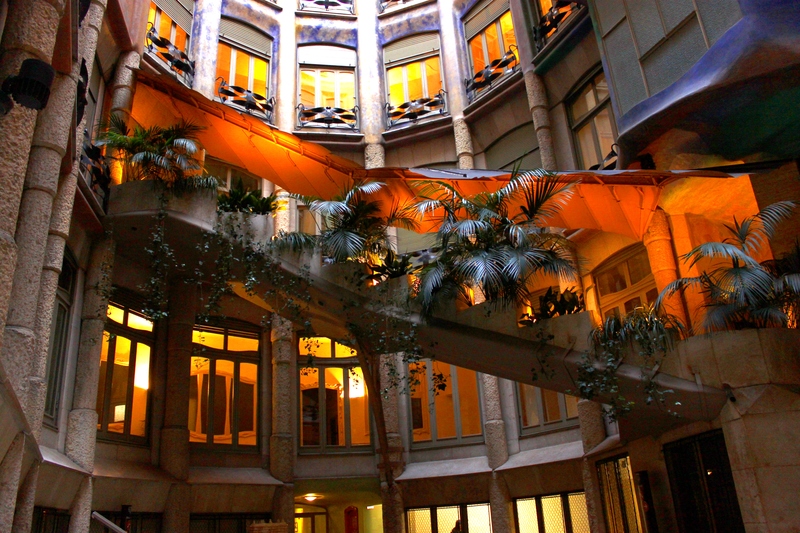
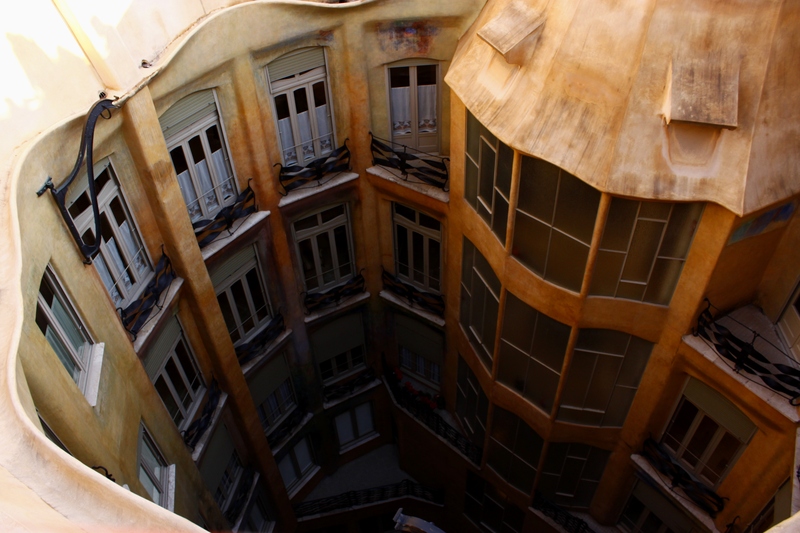
La Pedrera has inner courtyards that bring light and air into the building. The walls are painted with soft colors and natural shapes.
Standing there, you understand how important light was for Gaudí. Even in the center of the building, spaces feel open and alive.
Practical Travel Tips
- Buy tickets in advance to avoid waiting
- Visit early in the morning or late afternoon
- Take your time on the rooftop
- Audio guides help a lot for first-time visitors
Costs and Useful Information
- Entry tickets are not cheap, but worth it
- Discounts are often available for students and seniors
- Plan at least 1.5 to 2 hours for the visit
- The building is located in a central area with many cafés nearby
Food and Breaks Nearby
After visiting La Pedrera, you are surrounded by cafés, bakeries, and restaurants. It’s a great area to sit, rest, and reflect on what you’ve seen.
A simple coffee and a pastry feel perfect after walking through so much creativity.
From the quiet attic to the powerful rooftop, from history to modern exhibitions, La Pedrera invites you to slow down and look closer.
You don’t just visit it — you experience it.
Until the next horizon, travel with joy

Pingback: Colonia Güell Crypt: Gaudí's Secret Laboratory Revealed