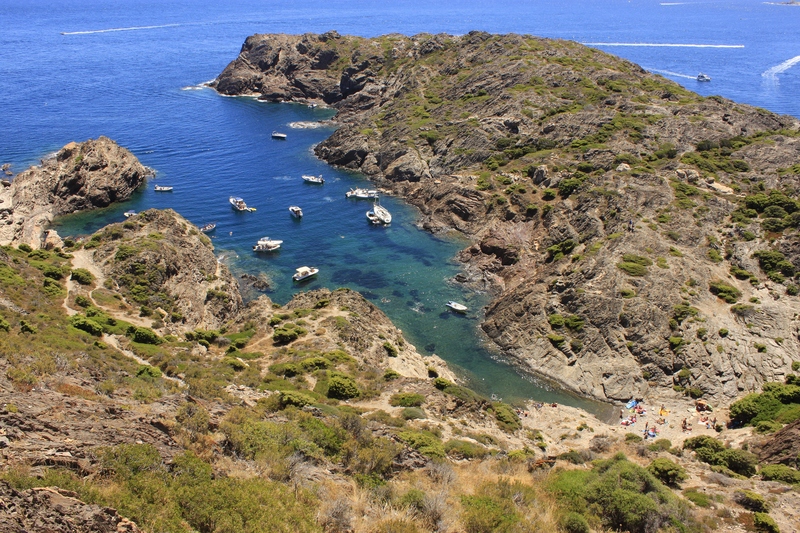
Welcome to the edge of the world, or at least, the edge of Spain. This guide will help you explore its magic. I will share my personal stories and the best practical tips.
This peninsula is the easternmost point of the Iberian Peninsula, where the Pyrenees mountains fall directly into the Mediterranean Sea. The land here feels ancient, shaped by wind, salt, and myths. Get ready for wind, wonder, and unforgettable views.
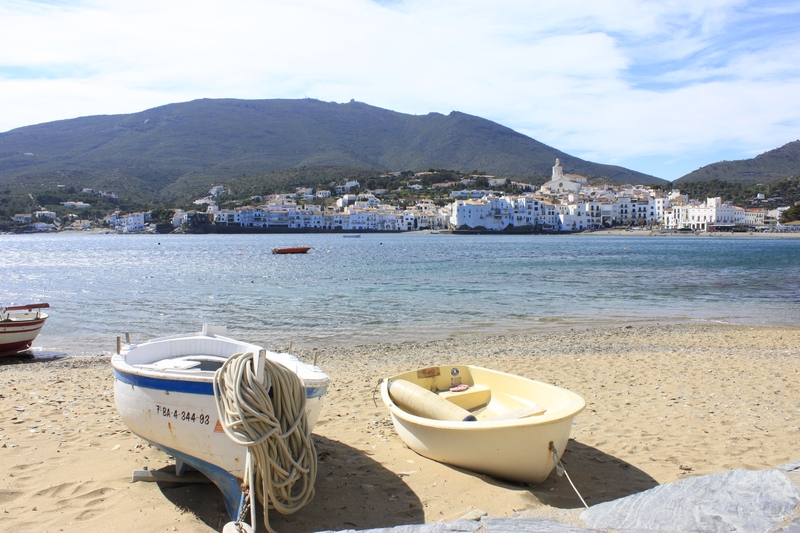
Cap de Creus Peninsula Travel and Its Mythical Origins
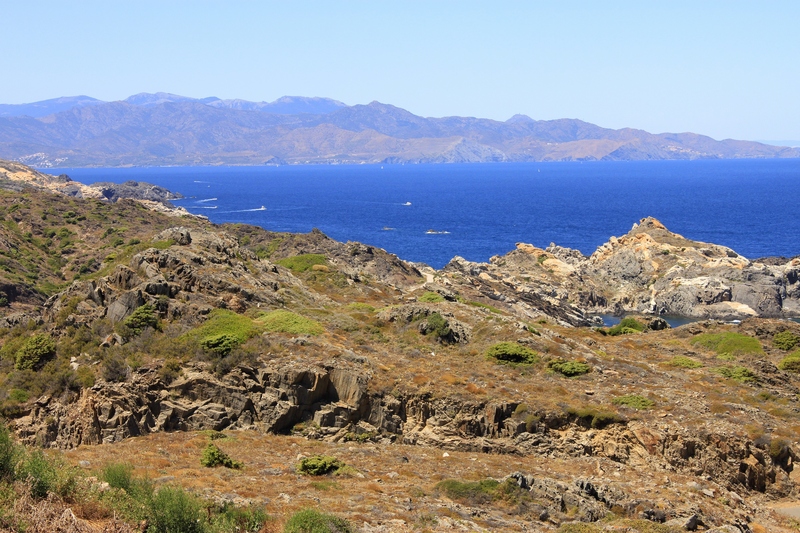
Let’s begin with a powerful legend. One tale says the Greek hero Hercules created the Cap de Creus Peninsula. He needed to reach the garden of the Hesperides. With a single, mighty stroke of his sword, he cut through the mountains. This opened a path to the sea and formed this rugged cape. The real sculptor, however, is the relentless Tramuntana wind. It has battered the rocks for millennia, creating surreal, twisted shapes.
The rocks look like animals, faces, and monsters. Locals still give names to many formations. Salvador Dalí, who grew up nearby, said this landscape shaped his imagination.
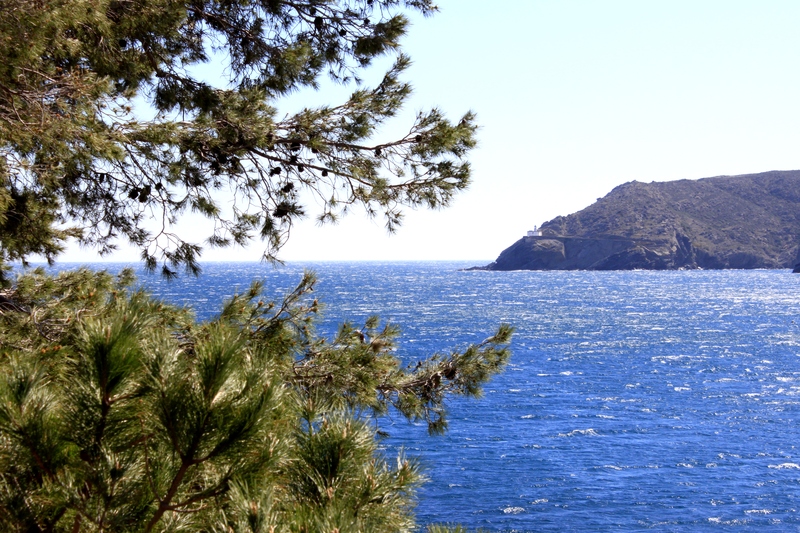
The Road to Cap de Creus: How to Get There
Reaching Cap de Creus is part of the adventure.
Best options:
- Car: The easiest and most flexible way.
- Bus: Limited connections from Figueres or Roses.
- Hiking: Popular trails for experienced walkers.
The road becomes narrow and winding. Drive slowly. The views are worth every curve.
Tip: Fuel up before entering the natural park. There are no gas stations inside.
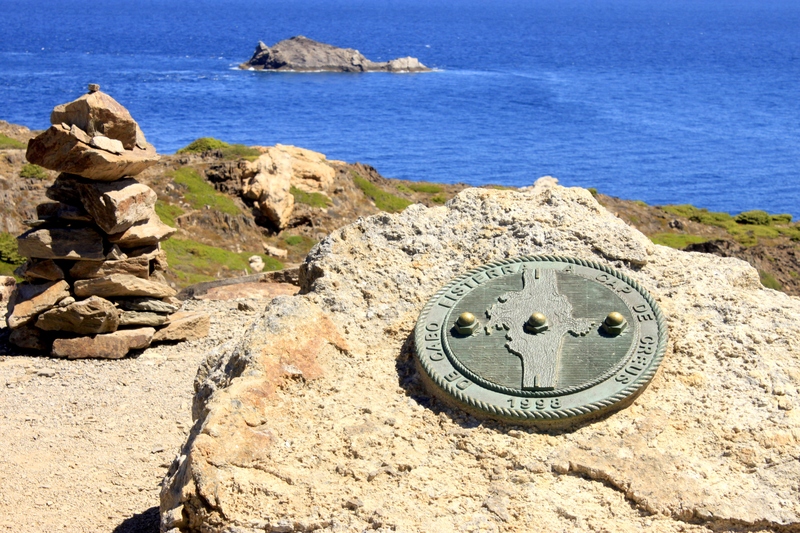
Far del Cap de Creus and the Easternmost Point of Iberia
The journey down the final road feels like driving to the end of the earth.
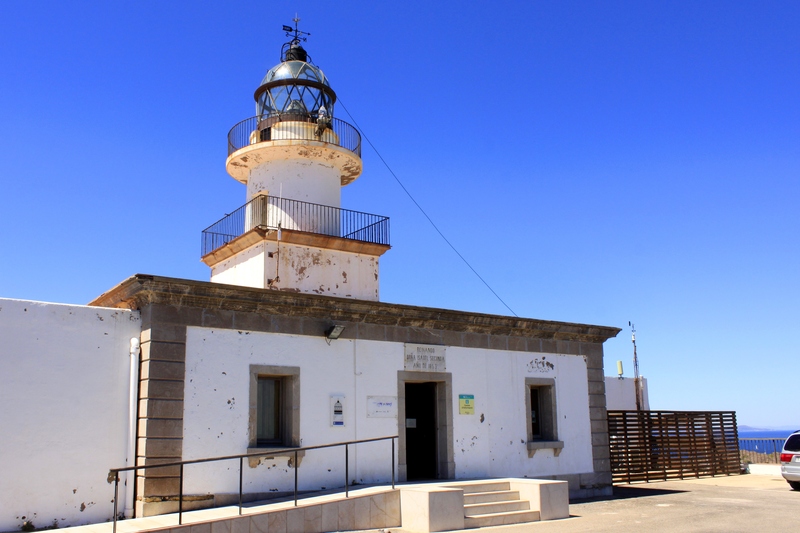
This lighthouse marks the first place in mainland Spain where the sun rises. On clear days, you can see the endless sea meeting sharp rocks.
The lighthouse was built in the 19th century to protect sailors from dangerous currents and reefs. It is the perfect place for quiet reflection or dramatic photos.
Interesting detail: Many shipwrecks happened here before the lighthouse existed.
Cala Fredosa: Snorkeling in the Clearest Water of Spain
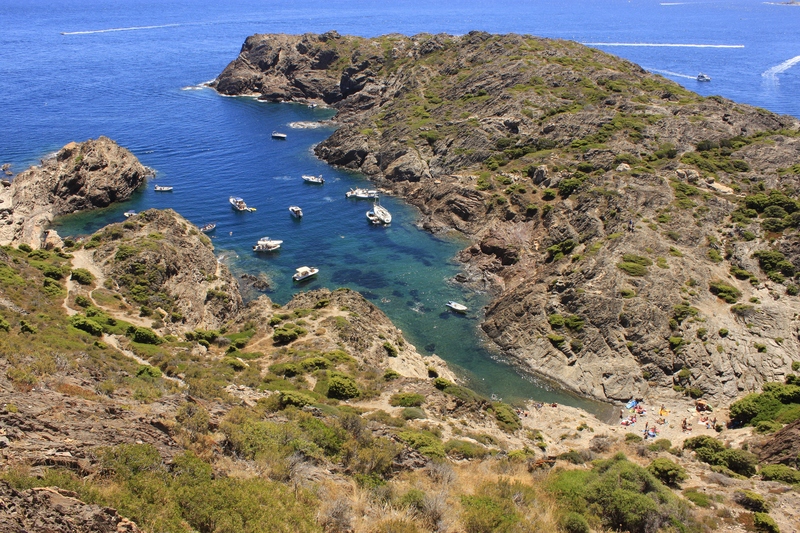
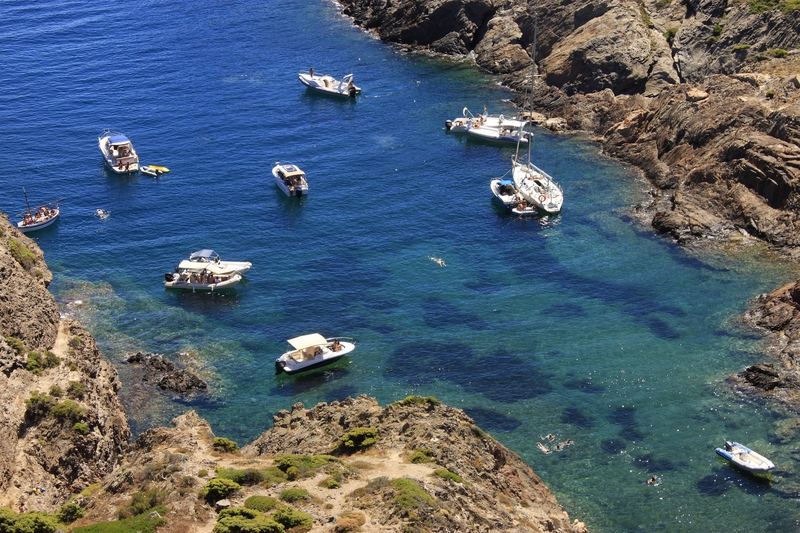
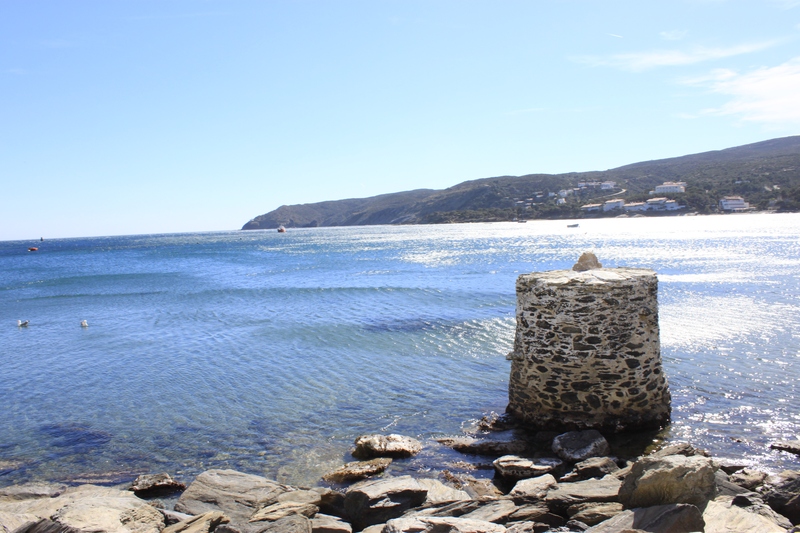
Not all beaches are made of sand. Cala Fredosa is a perfect example. It is a small, secretive cove embraced by smooth, dark rocks. The water here is crystal clear, clearer than many famous Spanish beaches.
We swam here, and the memory of the cool, clean sea is still vivid. Reaching it is part of the adventure. You park on the main road and follow a clear but rocky footpath for about 15 minutes.
Wear sturdy shoes. The effort is worth it. You will often find only a few other people, sharing the quiet beauty of this hidden spot. The rocky seabed keeps the water transparent and full of marine life.
What you can see:
- Colorful fish
- Sea urchins
- Natural underwater rock tunnels
Practical tips:
- Bring water shoes (rocky entry).
- Best time: early morning.
- No facilities nearby.
This is a place for respect, silence, and slow swimming.
Restaurant Cap de Creus: Food at the Edge of the World
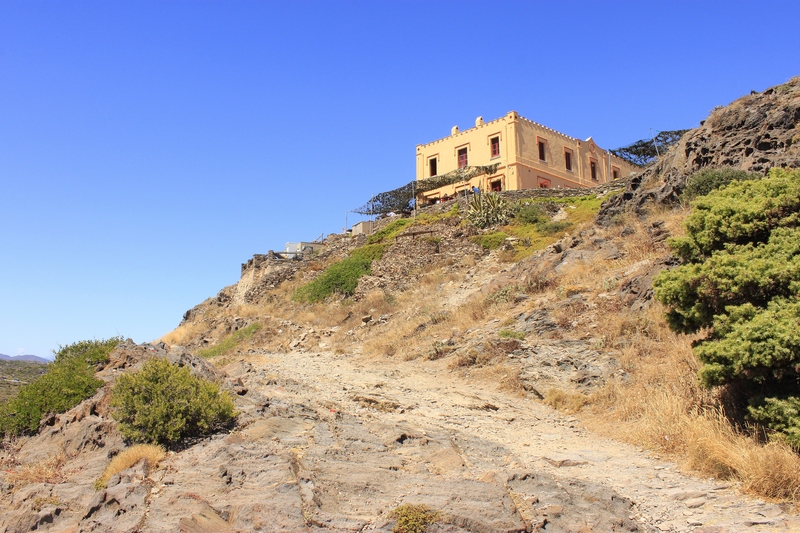
After exploring, you will have worked up an appetite. The perfect reward is a meal at Restaurant Cap de Creus. It sits in a sheltered bay right next to the lighthouse road. The setting is postcard-perfect, with fishing boats and clear water.
The food is authentically Catalan. Paired with a glass of local Empordà wine, it is a meal you will not forget. Reserve in advance during summer.
What to try:
- Grilled fish of the day.
- Paella – Seafood rice.
- Local white wine from Empordà.
Costs: Prices are higher than inland, but fair for the location.
Monastery of Sant Pere de Rodes: History Above the Sea
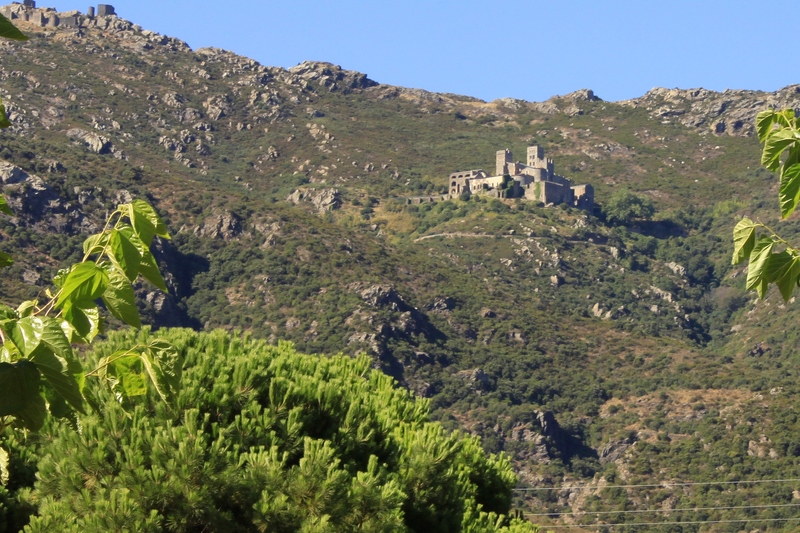
The Monastery of Sant Pere de Rodes rises at 500 meters of altitude, watching over Cap de Creus and the Pyrenees.
This is an 11th-century monastery, but its first structures date back to around 750 AD. It was an important pilgrimage site during the Middle Ages.
The monks chose this high and isolated place for spiritual protection and defense from pirates.
From the terrace, you see: The entire Cap de Creus, the blue Mediterranean, and the distant mountain peaks.
Cadaqués: White Houses and Artistic Soul
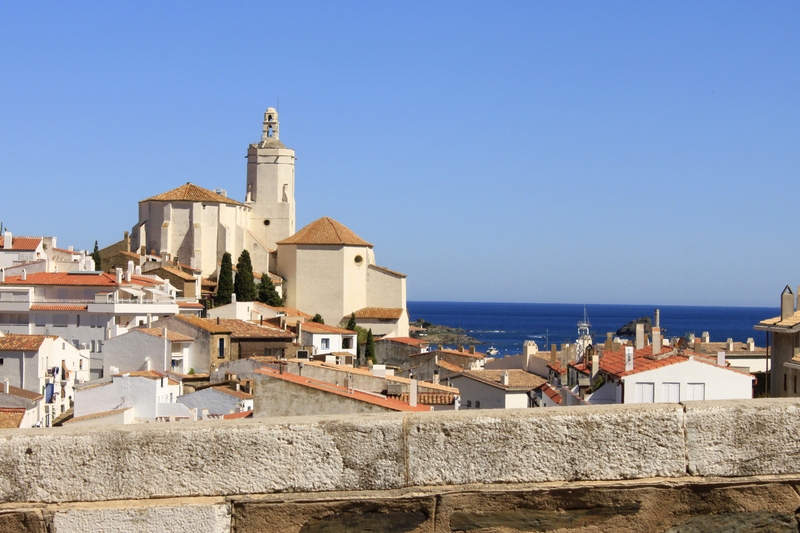
My visit to Cadaqués was a gentle contrast to the wild peninsula.
This coastal town is calm, artistic, and full of light. White houses reflect the sun, and small boats float quietly in the bay.
Salvador Dalí lived nearby in Portlligat. Many artists followed him here.
Things to do:
- Walk the old town streets.
- Swim near the harbor.
- Enjoy slow dinners by the sea.
Tip: Parking is limited. Arrive early or stay overnight.
Hidden Gems of Cap de Creus Peninsula Travel
The peninsula is full of surprises. The bizarre, organic rock formations directly inspired the famous painter Salvador Dalí, who lived nearby in Portlligat.
Look closely at the plants; the wind is so constant that many trees grow permanently bent, leaning away from the sea. Also, keep an eye out for “La Gamba” (The Prawn), a famous rock shaped exactly like its name, near Cala Culip. These small details make exploring here feel like a treasure hunt.
Important: Bring water, sun protection, and a towel.
Best Time to Visit Cap de Creus Peninsula
- Spring: Green landscapes, fewer tourists.
- Summer: Best sea conditions, more crowds.
- Autumn: Warm water, calm atmosphere.
- Winter: Strong winds, dramatic views.
Avoid windy days if you plan on snorkeling.
Final Thoughts on Cap de Creus Peninsula Travel
Cap de Creus peninsula travel is not about comfort. It is about raw beauty, history, and silence.
This place reminds you how small humans are, and how powerful nature remains.
The horizon rewards the brave step