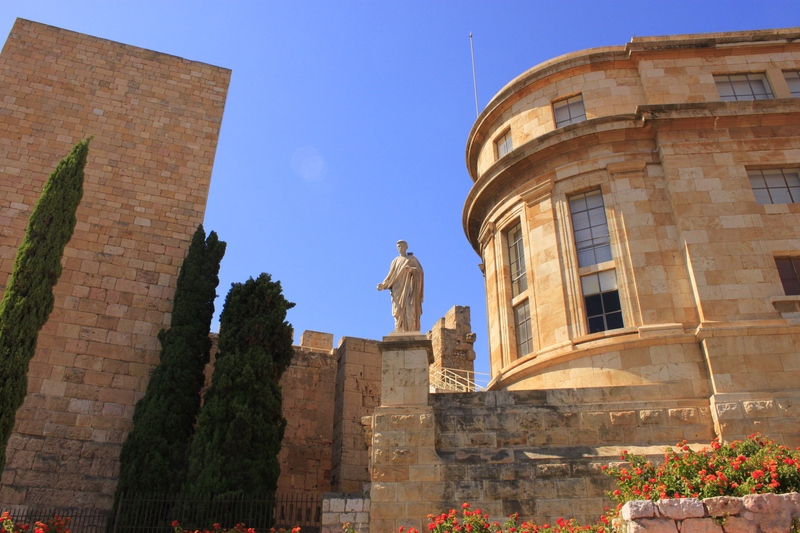
Tarragona sits quietly along the Mediterranean coast, south of Barcelona. When I arrived, the city felt calm but full of stories. The sea breeze mixes with the sound of footsteps on old stone streets.
You can reach Tarragona easily by train or bus. From the station, the city opens slowly, revealing layers of history — Roman, medieval, and modern — all living together.
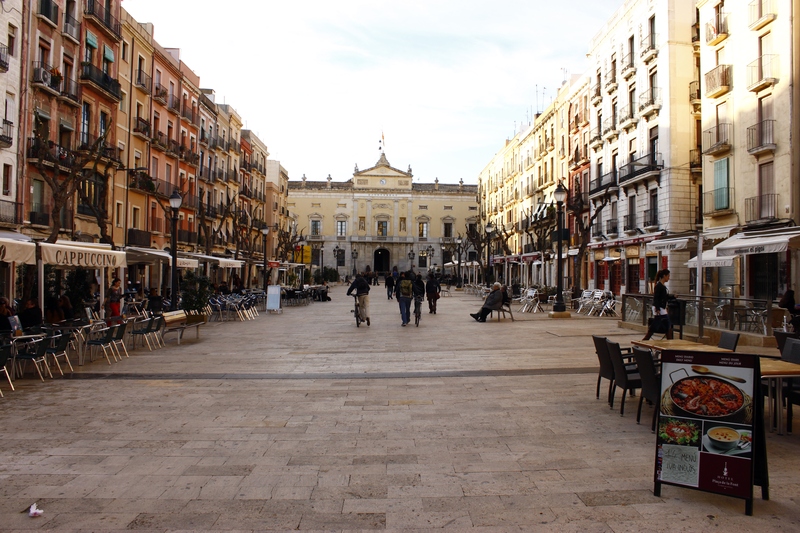
A Short History of Tarragona
Tarragona was once known as Tarraco, one of the most important Roman cities on the Iberian Peninsula. It served as a political and military center, and even Roman emperors stayed here.
Over centuries, Tarragona grew through medieval times, religious traditions, and coastal trade. Today, the city feels like an open history book where every corner tells a story.
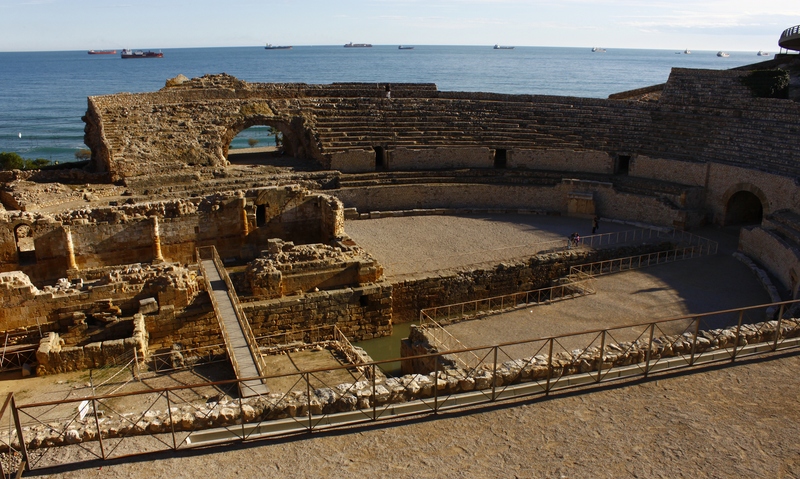
The Roman Stadium – Echoes of the Past
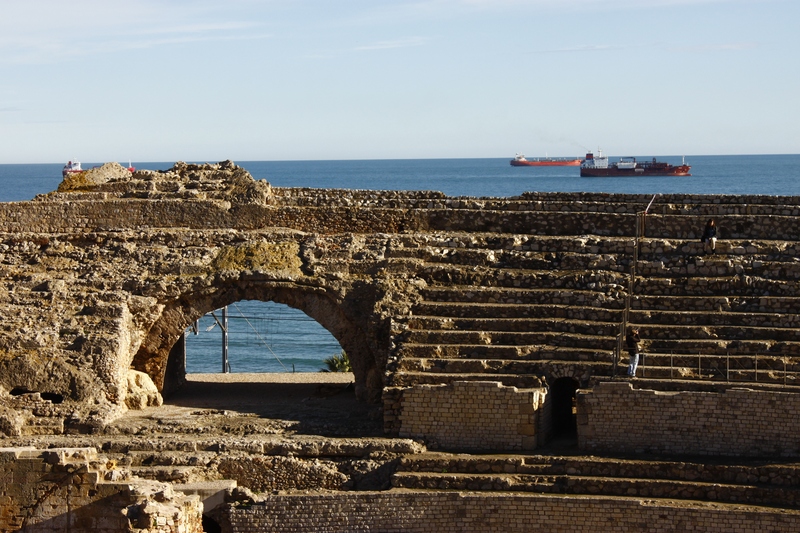
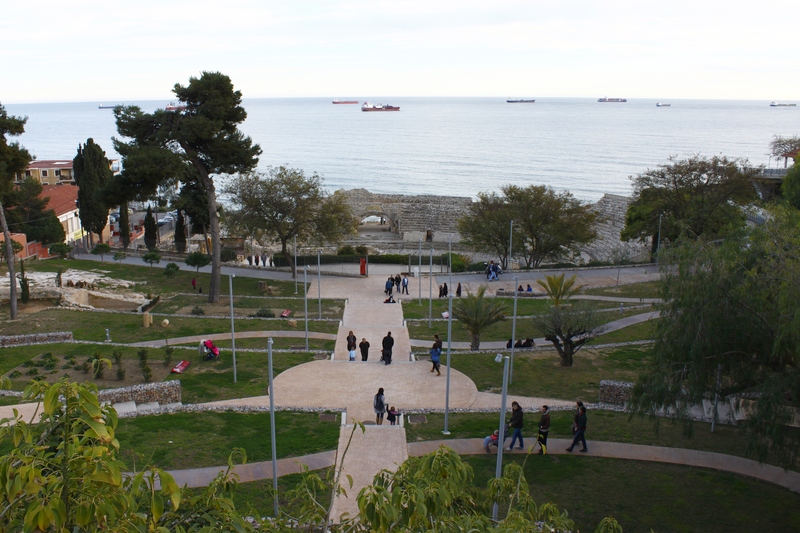
One of Tarragona’s most powerful landmarks is its Roman stadium, located close to the sea. This ancient structure once hosted gladiator fights and public events.
Standing there, you can almost imagine the noise of the crowd and the drama of the games. The stadium’s stone steps face the Mediterranean, creating a strong contrast between violence of the past and the peaceful sea of today.
Curious detail:
The stadium was built in a place where spectators could feel both the excitement of the games and the sea breeze at the same time.
The Statue of Caesar – Power Frozen in Stone
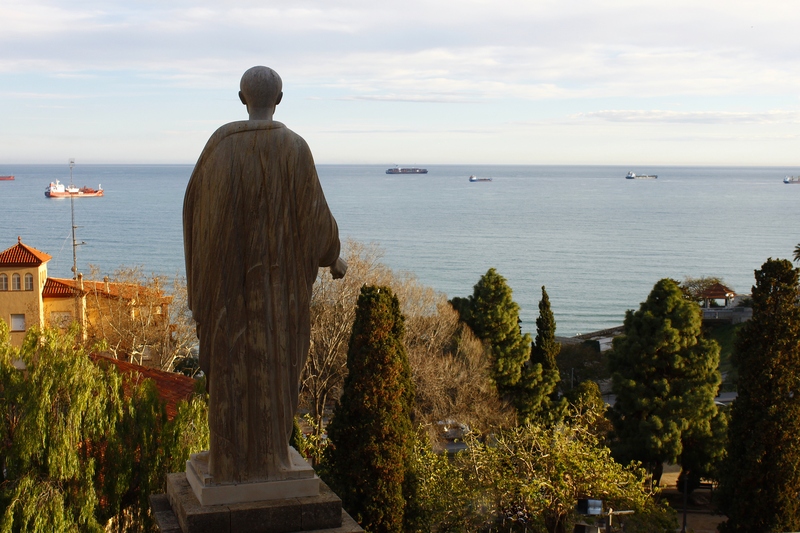
One of the most symbolic Roman elements in Tarragona is the statue of Julius Caesar. This statue reminds visitors of the deep connection between the city and the Roman Empire.
Caesar played a key role in Tarragona’s rise. He rewarded the city for its loyalty and helped establish its importance in Roman Spain.
Curiosity:
Seeing Caesar’s statue today feels like a silent meeting with history — a reminder that Tarragona once stood at the center of an empire.
Semana Santa Preparations – Faith in Motion
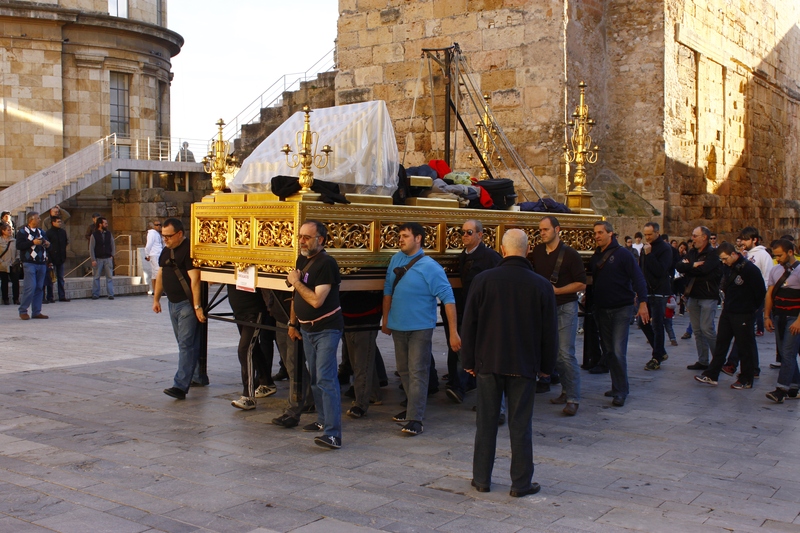
Visiting Tarragona before Semana Santa offers a special experience. Weeks before Easter, the city begins to change.
In quiet streets and community spaces, locals prepare religious altars carried during processions. People practice walking together, lifting heavy platforms in perfect rhythm.
What struck me most was the dedication. These rehearsals are not tourist shows. They are moments of faith, teamwork, and tradition passed from generation to generation.
Curiosity:
Many participants start training months before Semana Santa to build strength and coordination.
The Cathedral of Tarragona – A Sacred Stronghold
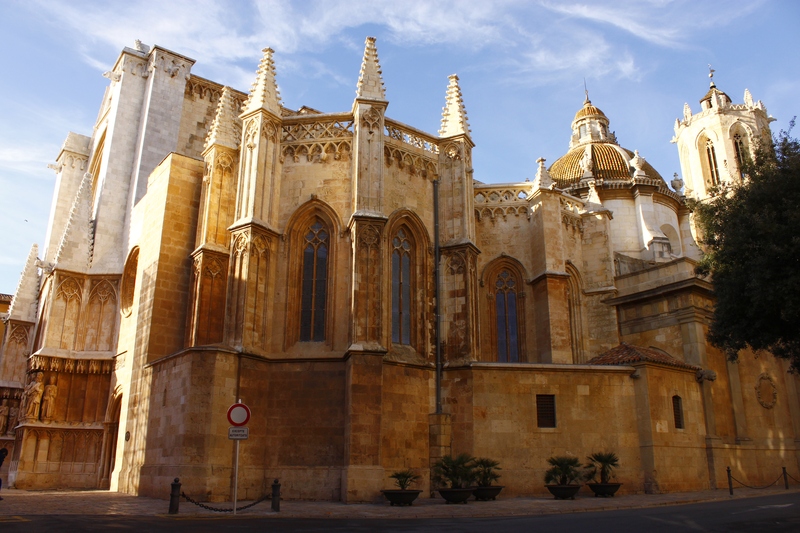
Tarragona Cathedral stands at the highest point of the old city. Built over many centuries, it combines Romanesque and Gothic styles.
Inside, the space feels strong and peaceful. Stone columns rise high, light enters softly, and silence invites reflection.
The cloister is especially beautiful. Walking there feels like stepping outside time.
Historical note:
The cathedral was built on sacred ground used since Roman times, making it a place of continuous worship for over two thousand years.
Walking the Old Town – Hidden Corners
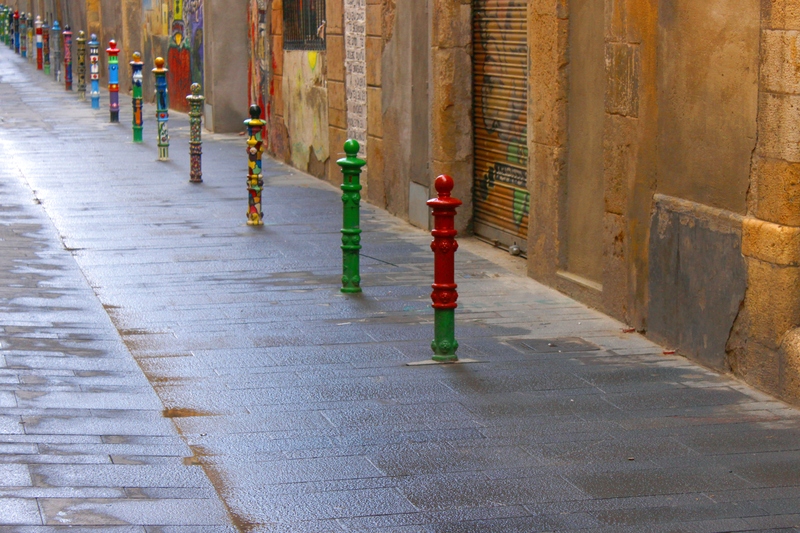
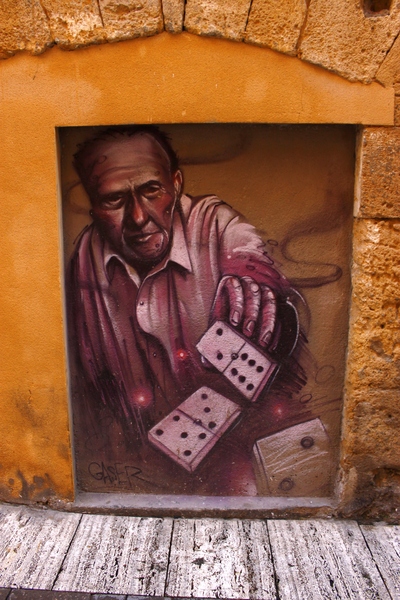
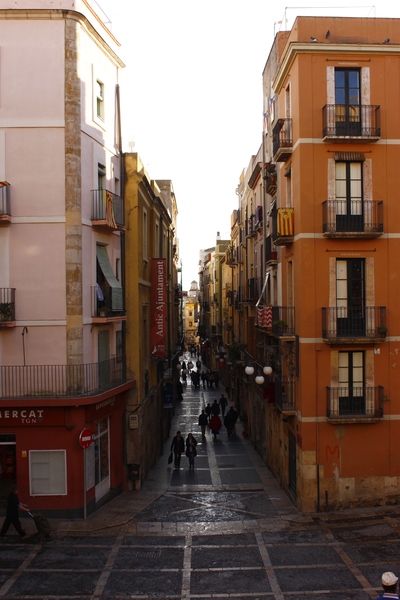
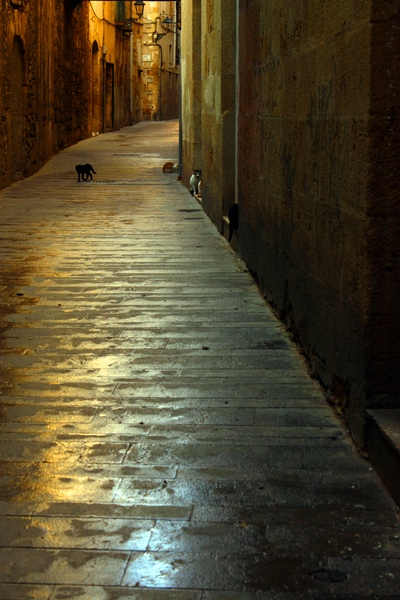
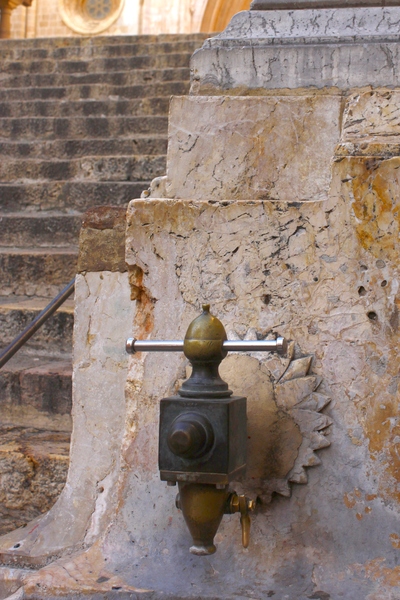
The historic center of Tarragona is best explored slowly. Narrow streets, old doors, small squares, and sudden viewpoints appear when you least expect them.
Hidden tip:
Walk along the old city walls. From there, you can see the sea, the city rooftops, and even parts of the Roman ruins.
Food and Local Taste
Tarragona’s food reflects the Mediterranean lifestyle. You will find:
- fresh seafood
- rice dishes
- simple tapas
- local wines
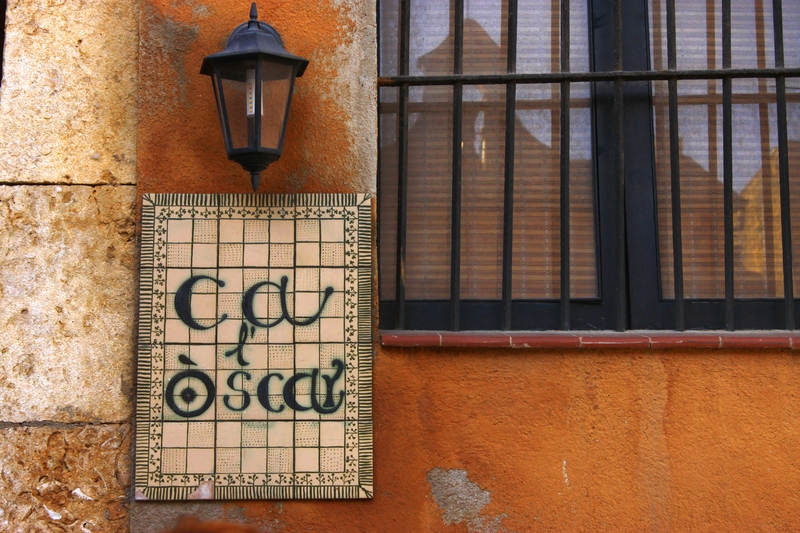
Small restaurants in the old town offer honest food at fair prices. Eating here feels relaxed, not rushed.
Practical Travel Tips
- Visit Roman sites early in the morning or late afternoon
- Respect Semana Santa rehearsals — they are sacred moments
- Plan at least one full day to explore the city
- Bring water, especially in warmer months
Costs and Useful Information
- Many historic sites require small entrance fees
- Walking around the city is free and enjoyable
- Public transport is limited but not necessary
- Tarragona is more affordable than larger tourist cities
Tarragona does not try to impress loudly. It speaks through stone, silence, and tradition.
From the Roman stadium to the cathedral, from Semana Santa preparations to sea views, Tarragona shows how history and daily life can live side by side.
It is a city that rewards slow travel and open eyes. This is what I saw in Tarragona: From Caesar to Semana Santa.
Until the next horizon, travel with joy