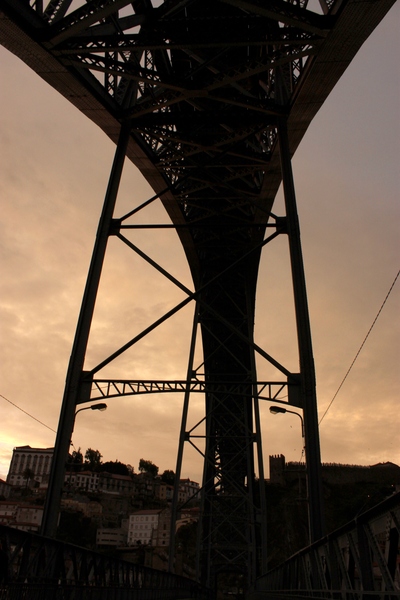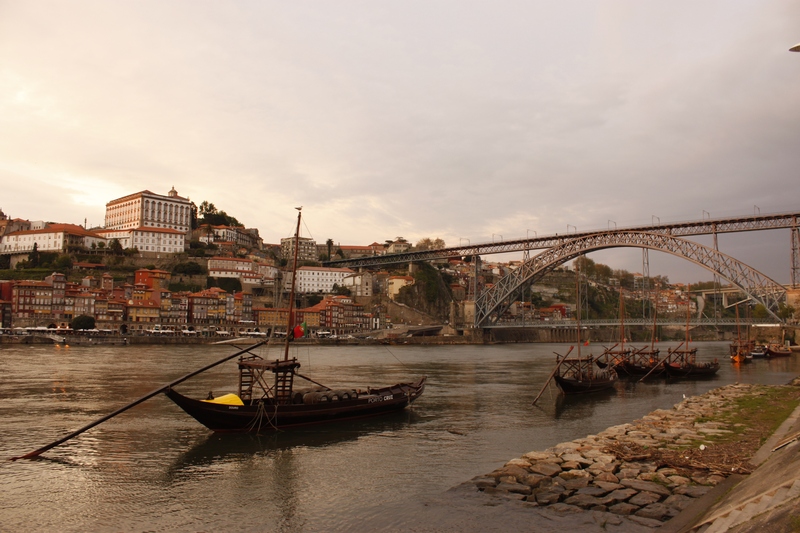
I’m standing on Luís I Bridge, high above the Douro River. The views are wide, open, and powerful. Below, the river flows slowly, boats pass quietly, and the city spreads on both sides like a living postcard.
This bridge is not just a crossing point. It is one of Porto’s strongest symbols.
Building Details of Luís I Bridge
Luís I Bridge is a massive iron arch bridge that connects Porto with Vila Nova de Gaia. It has two levels:
- Upper level for metro, pedestrians, and views
- Lower level for cars and pedestrians
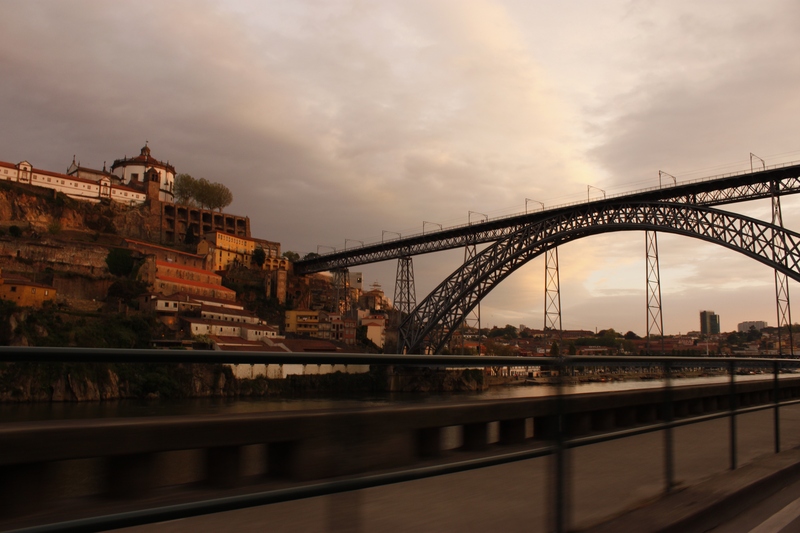
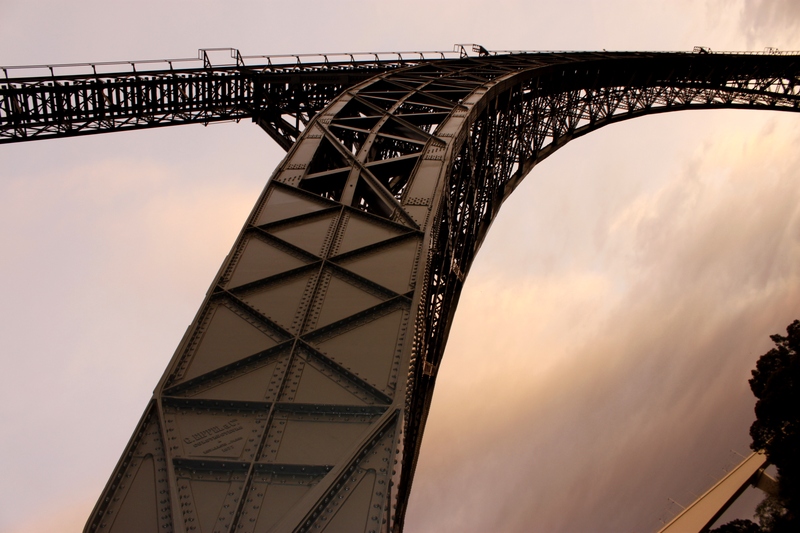
The bridge rises high above the river, creating one of the most impressive city panoramas in Portugal. Its iron structure feels strong and elegant at the same time, a true example of 19th-century engineering.
History Behind the Bridge
The bridge was completed in 1886 and named after King Luís I of Portugal. At the time, Porto needed a modern bridge to support growing trade and movement between the two riverbanks.
Before this bridge, crossings were slow and difficult. Luís I Bridge changed daily life in the city and helped Porto grow economically and socially.
Gustave Eiffel and the Bridge Connection
Many people believe that Gustave Eiffel built Luís I Bridge. While Eiffel himself did not design it, the connection is very close.
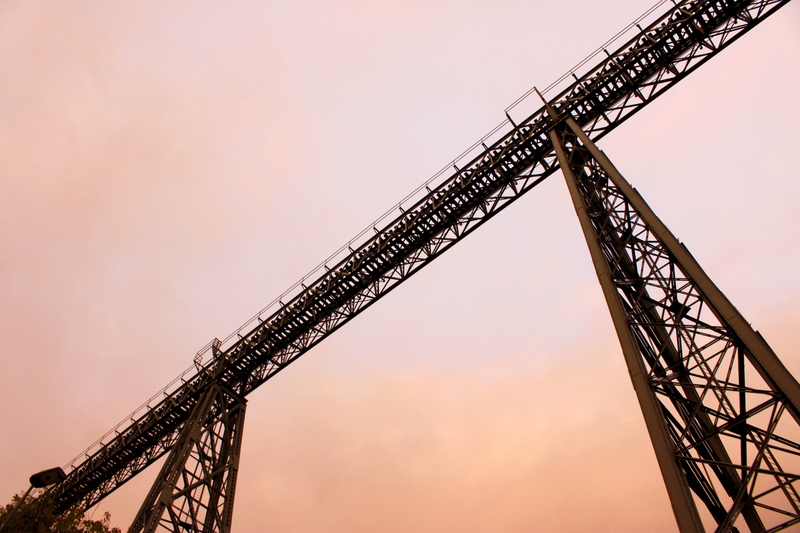
The bridge was designed by Théophile Seyrig, a German engineer who had worked with Gustave Eiffel before. This explains why the bridge looks similar to Eiffel’s structures, including the famous Eiffel Tower in Paris.
The iron style, the large arch, and the engineering spirit all belong to the same era of innovation.
How the Bridge Is Used Today
In modern times, Luís I Bridge is part of everyday life:
- The metro crosses the upper level
- Cars use the lower level
- Pedestrians walk on both levels
Locals cross it daily for work, while visitors come for photos, walks, and sunsets. It is one of the few places where daily routine and tourism blend naturally.
Two Bridges, One Engineering Story
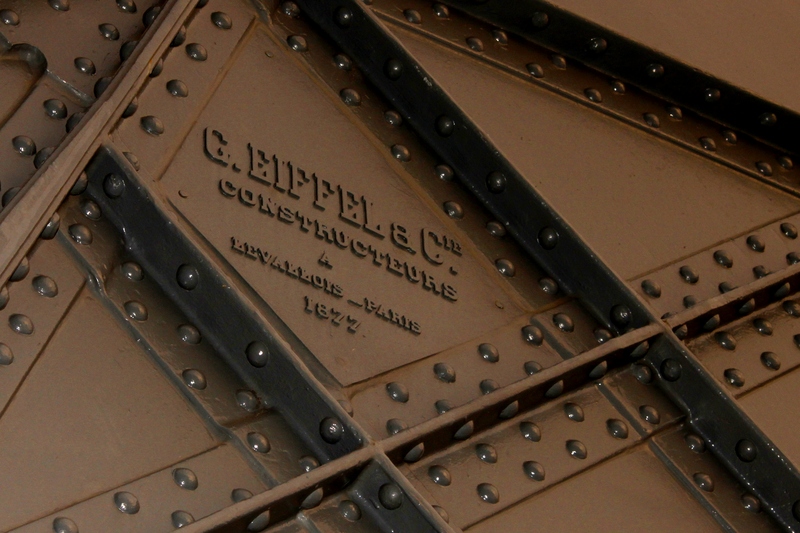
Luís I Bridge did not appear alone in Porto’s history. Before it, the city was already linked by iron and vision through Maria Pia Bridge. Opened in 1877, Maria Pia Bridge was designed by Gustave Eiffel himself and built exclusively for trains. Its elegant iron arch over the Douro River was considered a masterpiece of its time and showed how modern engineering could change a city’s future.
Less than ten years later, the experience and knowledge from Maria Pia Bridge helped shape the next step: Luís I Bridge. Designed by Théophile Seyrig, a former partner of Eiffel, the bridge continued the same iron tradition but on a larger and more public scale. Together, these two bridges tell one complete story—how Porto moved from industrial innovation to a bridge that became part of daily life, identity, and the city’s soul.
Modern Life Around the Bridge
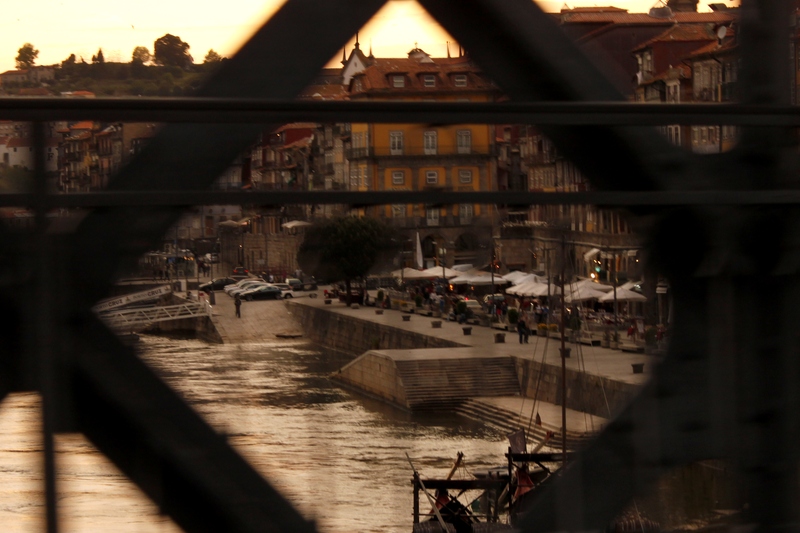
Today, the bridge is more alive than ever. Street musicians play nearby, people sit with drinks by the river, and sunset brings a soft golden light that makes the iron glow.
At night, the bridge lights up and becomes a quiet giant watching over the city. It feels calm, romantic, and timeless.
Curiosities and Interesting Details
- The bridge was once considered a technical wonder of Europe
- Its arch was one of the largest of its kind at the time
- Walking the upper level can feel scary for some—it’s very high
- Locals recommend crossing it both day and night for different moods
- The bridge connects not just two places, but two city characters
Best Time to Visit Luís I Bridge
- Early morning for peace and soft light
- Sunset for unforgettable views and photos
- Night for calm walks and reflections on the river
Each time gives a different feeling.
Practical Travel Tips
- Cost: Free to walk across
- Shoes: Wear comfortable shoes; it’s windy and long
- Transport: Metro crosses the top level
- Food nearby: Riverside cafés, wine bars, and small restaurants
- Hidden tip: Walk halfway, stop, and just listen to the city
Why Luís I Bridge Matters
Luís I Bridge is not just steel and iron. It is movement, connection, and memory. It shows how engineering can become part of a city’s soul.
Crossing it, I felt Porto breathing around me—old, strong, and alive.
Discover the striking architectural blend of history and modernity at Campanhã Station HERE
Keep your heart open and your passport ready