

As I stepped onto the platforms, I noticed the mix of modern trains and historical architecture. There is a rhythm here—people moving quickly, trains arriving and departing, and the hum of announcements over the station speakers. It feels alive, busy, and essential to the life of Porto.
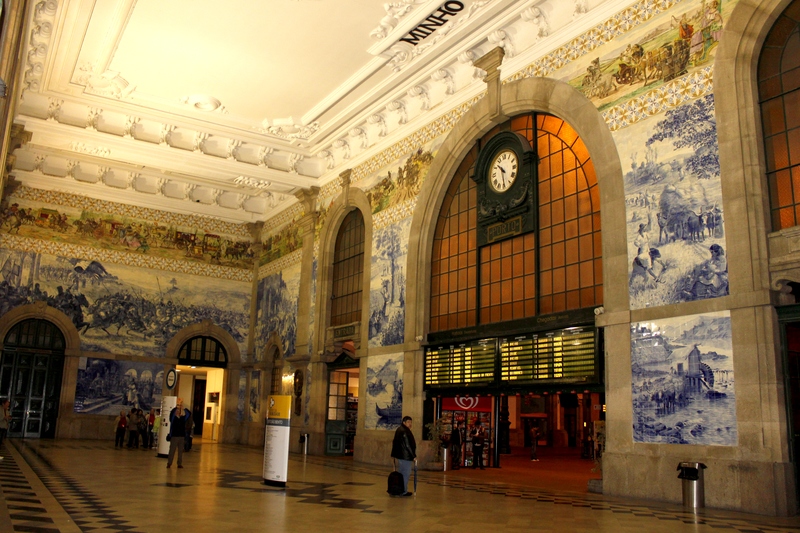
Architecture, Tiles, and Building Details
Estação de Campanhã combines historic charm with modern efficiency. The original station building dates back to 19th century expansions, with classic European railway architecture: high ceilings, tall windows, and detailed stonework.
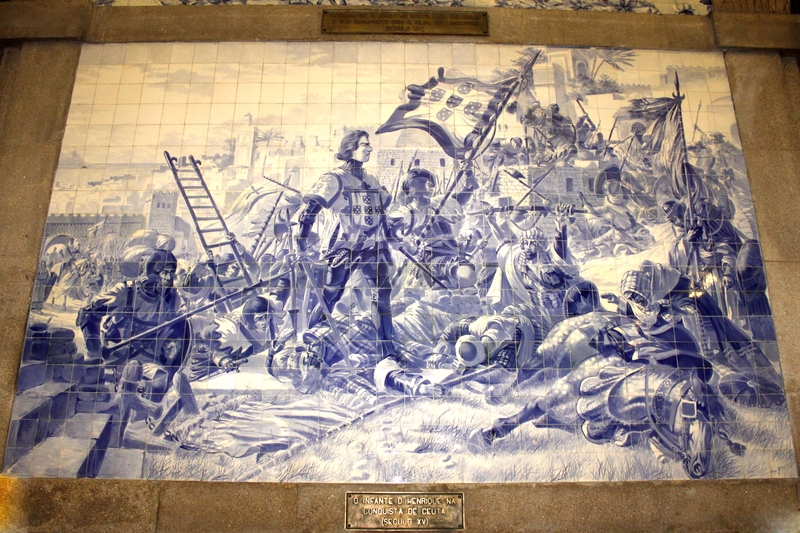
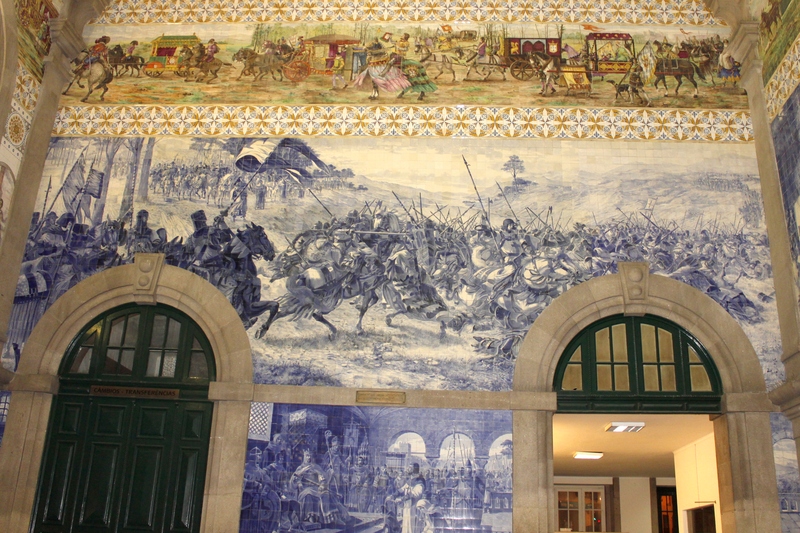
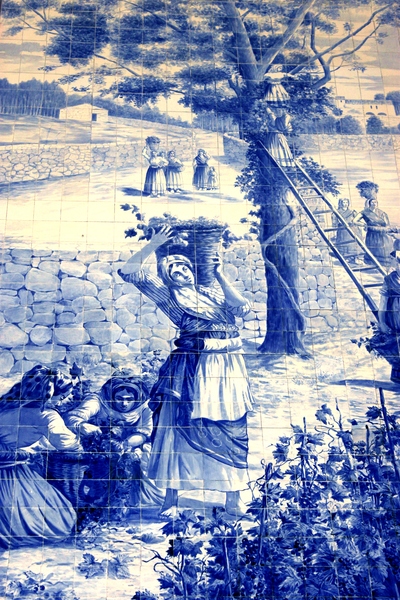
One of the hidden gems inside the station is its hall decorated with traditional Portuguese tiles, or azulejos. These beautiful blue-and-white scenes depict railway history, local landscapes, and daily life in Porto from the early 20th century. Walking through the hall, I felt transported back in time, imagining passengers from long ago traveling across northern Portugal. The tiles add color, culture, and artistry, showing that even a busy transport hub can be a place of beauty and heritage.
Over time, the station has been modernized to handle Portugal’s busy railway traffic. Today, you’ll find:
- Long platforms for regional and intercity trains
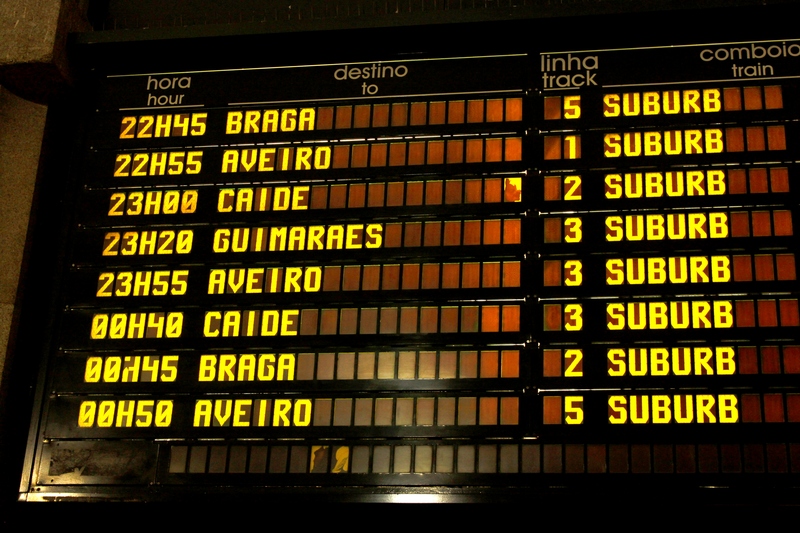
- Modern ticket counters and digital information boards
- Cafés, small shops, and waiting areas
Walking through the station, I could sense both history and modern travel coexist peacefully.
The History of Campanhã Station
Campanhã station has a long history. It was created to serve the northern Portugal railway network, connecting Porto to Lisbon and other important cities.
Over the years, it became the main hub for travelers coming to Porto from across Portugal and Europe. The station played an important role in commerce, trade, and daily life. Merchants, families, and travelers alike passed through here for generations, making it more than just a train station—it is part of Porto’s story.
Trains, Travel, and Connections
Estação de Campanhã is vital for travel in Portugal:
- Long-distance trains: Porto to Lisbon, Coimbra, Braga, and beyond
- Regional trains: Quick access to nearby towns and suburbs
- Metro connection: Direct link to central Porto and other neighborhoods
For visitors, it is a convenient starting point. From here, you can easily explore Porto’s historic center, riverside areas, and famous landmarks.
Modern Times at Campanhã
Today, Campanhã is both functional and modern. Renovations have improved accessibility, waiting areas, and information systems. Travelers now enjoy comfortable facilities while still feeling the station’s historic aura.
It is also quieter than São Bento Station, which is more central and tourist-heavy. Many locals use Campanhã daily, giving visitors a more authentic slice of Porto life.

Curiosities and Interesting Details
- Campanhã is Porto’s largest train station by area, even if not the most famous visually.
- It handles hundreds of trains every day, including high-speed Alfa Pendular trains.
- The station has beautiful views of the surrounding city hills from certain platforms.
- Even though it is a transport hub, some travelers enjoy short photography walks here because of the combination of old architecture, modern trains, and tile art.
Travel Tips for Visitors
- Tickets: Buy at counters or machines; regional trains are usually cheaper.
- Best time to visit: Early morning or afternoon for smooth connections and light photography.
- Food: Small cafés and snack kiosks are inside, but for larger meals, walk 10–15 minutes to nearby neighborhoods.
- Transport: Metro and buses make it easy to reach the city center from Campanhã.
If you are arriving in Porto by train, make sure to allow extra time to explore the station—it tells a story of the city itself.
Why Campanhã Matters
Estação de Campanhã is more than a station. It is a living part of Porto’s history and modern life. Travelers arriving here are stepping into a city shaped by centuries of trade, industry, and culture. Walking its platforms, I could imagine all the people who passed through before me, each with their own story.
It is the perfect first stop to feel Porto’s rhythm before exploring the old streets, riverside neighborhoods, and historic bridges.
Keep your heart open and your passport ready

Pingback: Luís I Bridge, Maria Pia Bridge, Porto: History, Iron, And Iconic Views
Pingback: A Slow Journey Through Porto, Portugal