Arrival in a White World
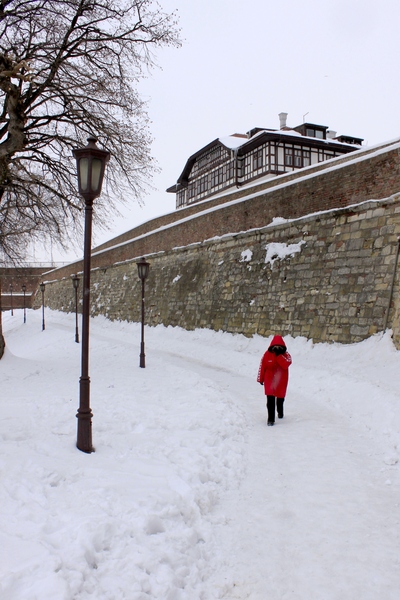
When I woke up that morning in Belgrade, the city was covered in 30 centimeters of snow. Cars were hidden under white blankets, and the air felt silent, almost sacred. I decided it was the perfect day to visit Belgrade Fortress, or Kalemegdan, one of the oldest and most symbolic places in Serbia.
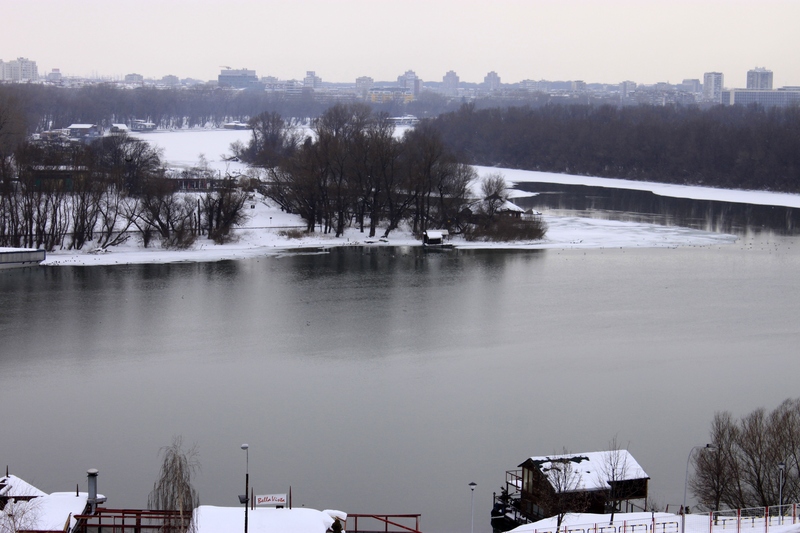
The fortress stands proudly above the point where the Sava and Danube rivers meet, guarding the city for more than two millennia. Reaching it is easy — from Republic Square it’s just a short 15-minute walk uphill through Knez Mihailova Street, one of the main pedestrian zones. The entrance is free, and the park around it is open all day.
Layers of History Beneath the Snow
Belgrade Fortress is a living museum of time. The Cultural Monument Protection Institute ensures that this site, dating back to Roman times, remains preserved for future generations. Walking its icy paths, I could almost hear echoes of Roman soldiers, Ottoman guards, and Austrian cannons that once stood on these walls.
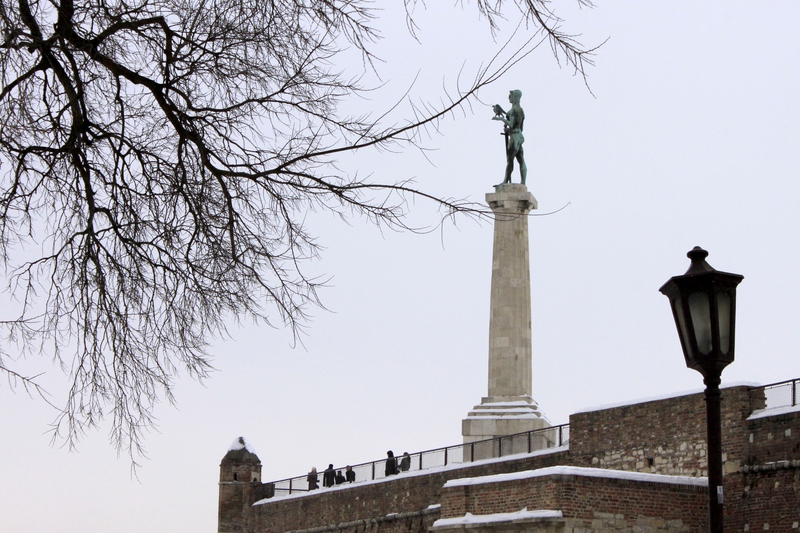
The Victor – Pobednik
One of the first sights I reached was the Victor Monument, locally known as Pobednik. This 14-meter-tall statue by sculptor Ivan Meštrović stands on a high pedestal overlooking the confluence of the two great rivers. Covered in snow, the bronze figure looked both lonely and majestic — a symbol of Serbia’s freedom.
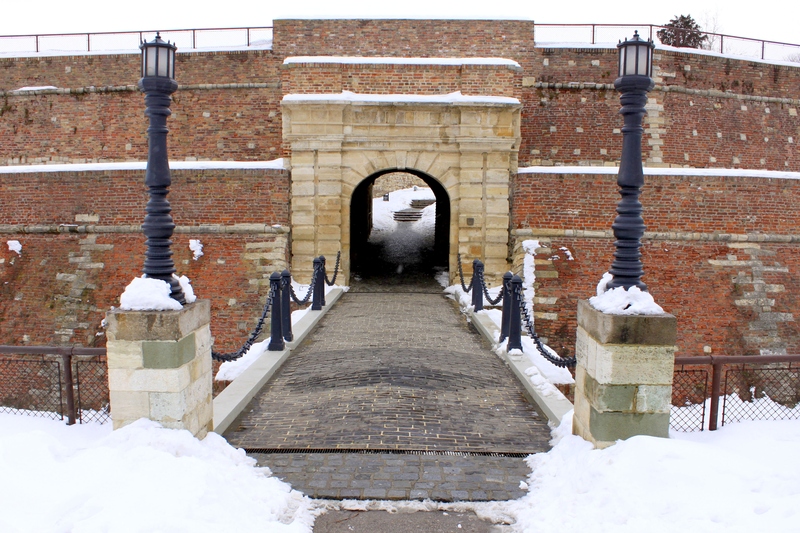
King’s Gate and Sahat Tower
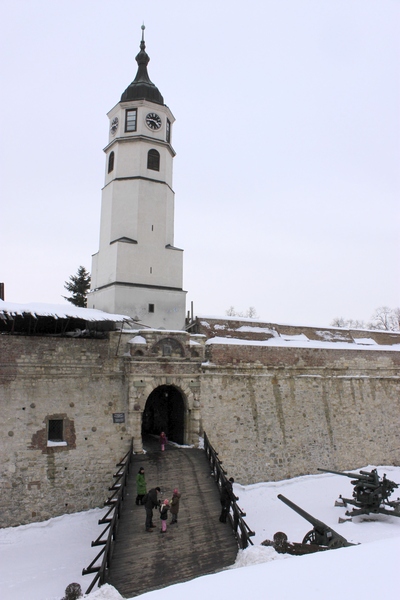
As I continued, I passed through the King’s Gate, one of the main entrances into the Upper Town. Snow had gathered on the stones, giving the medieval gate a fairytale look. Nearby stood the Sahat Tower, or Clock Tower, which once marked time for both soldiers and citizens. Its clock still works, reminding visitors that history here never really stops.
The Military Museum – Frozen Echoes of War
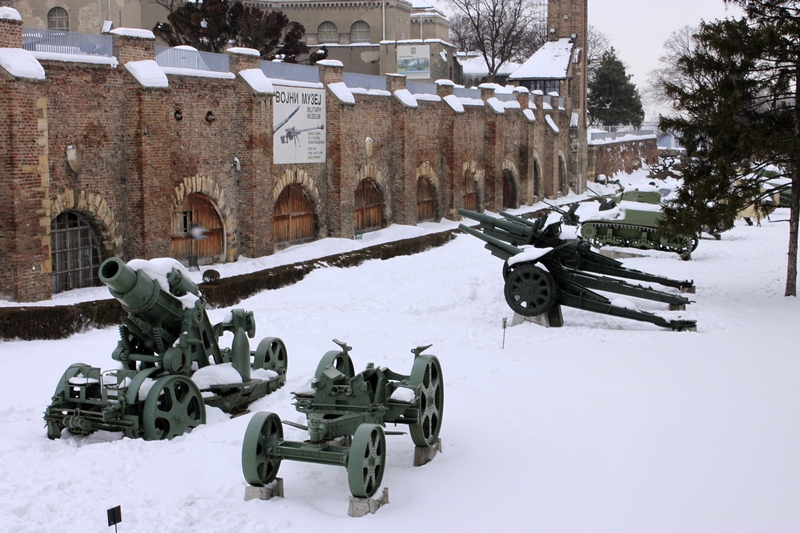
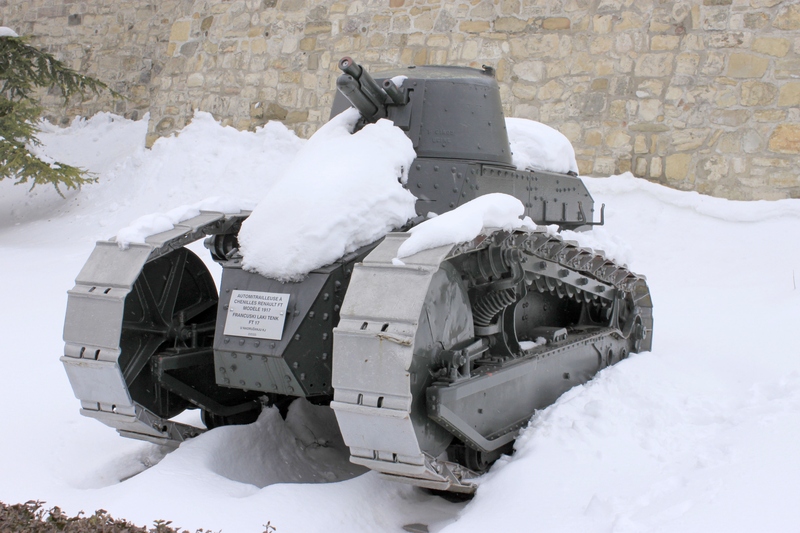
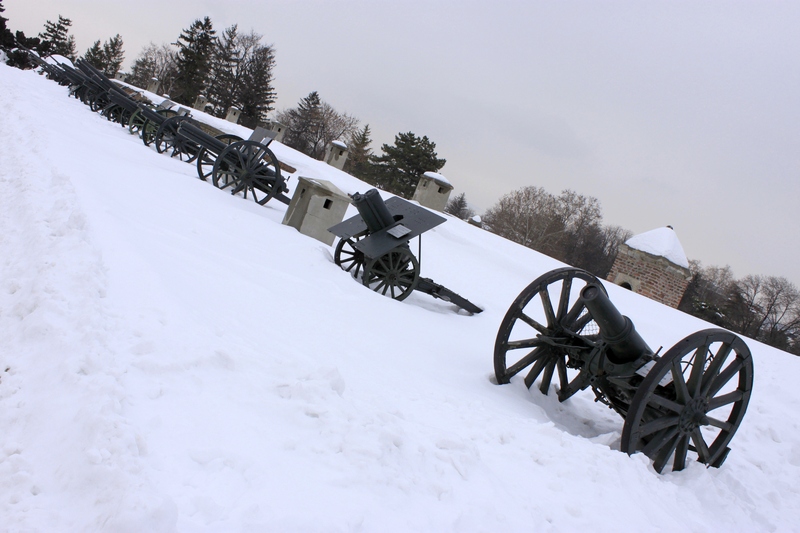
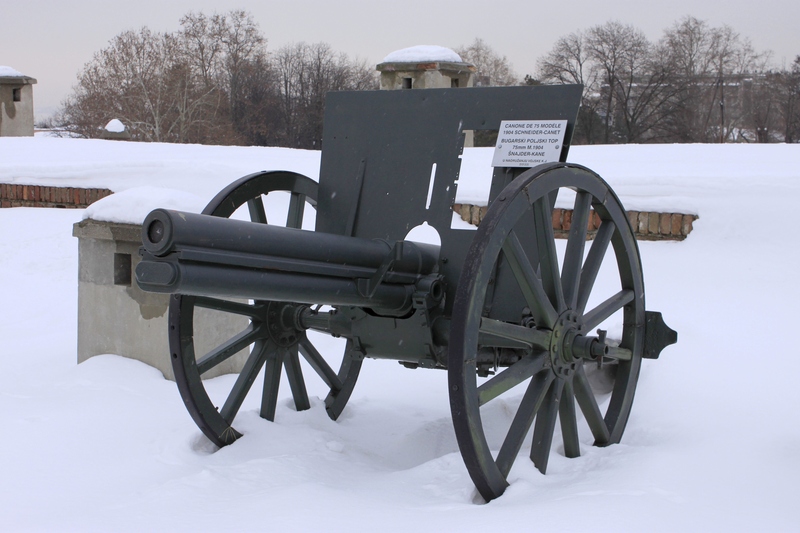
Inside the fortress stands the Military Museum, founded in 1878. Its outdoor exhibition was covered in snow, with tanks, cannons, and artillery pieces standing like frozen giants. Despite the cold, I spent a long time exploring — from medieval armor and Ottoman sabers to Yugoslav tanks. Entry tickets are inexpensive, and the museum is a must for anyone who loves history.
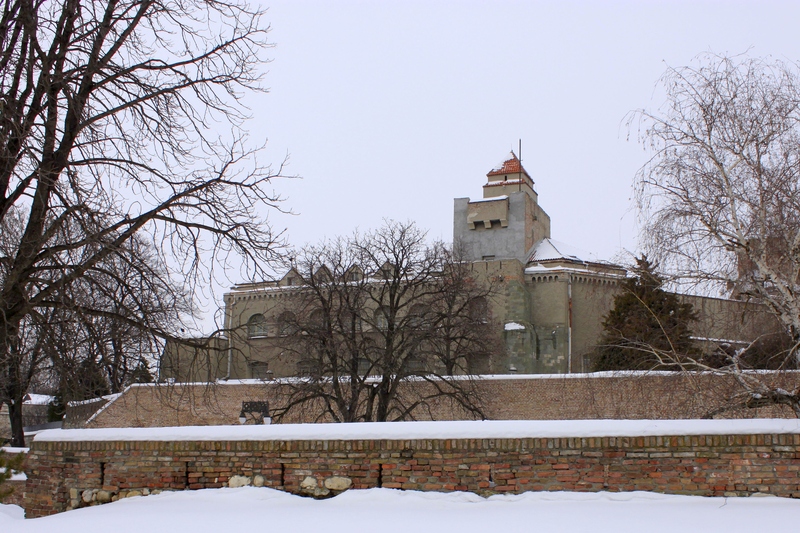
Outside the museum, children were sliding on the snow near the old Tank and Artillery Exhibition, while parents took photos. History and life side by side — that’s Kalemegdan’s magic.
The Roman Well – A Cold Mystery
One of the most mysterious parts of the fortress is the Roman Well. Its dark spiral staircase descends deep underground — 60 meters below the surface. Despite its name, it was actually built during the Austrian period in the 18th century, not by the Romans. The well is full of legends, including stories of hidden tunnels and ancient prisoners. I didn’t go down this time, but I promised myself to return in spring.
The Snowman in the Garden
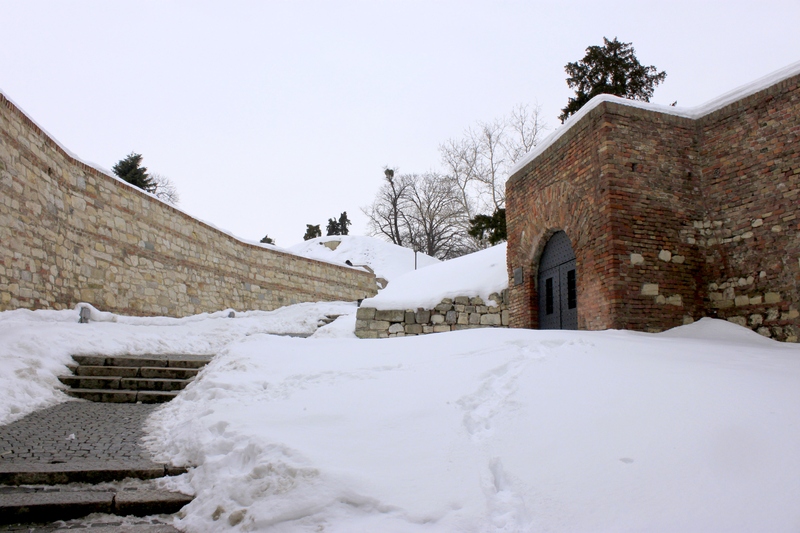
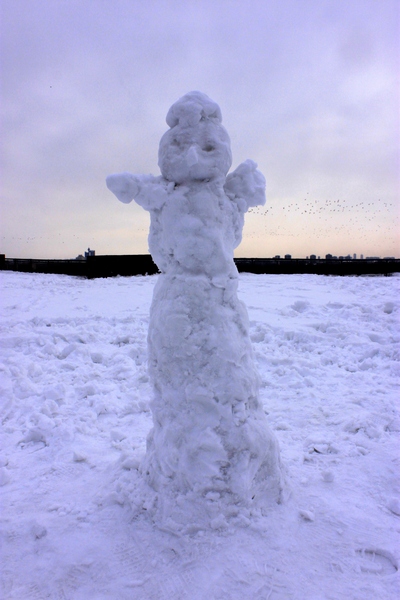
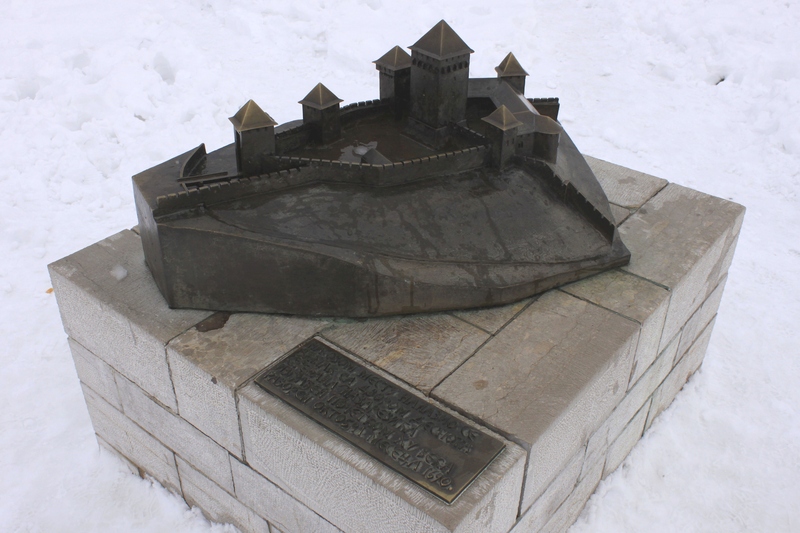
In the fortress gardens, I found something unexpected — a snowman, built by local kids near the scale model of Despot Stefan Lazarević’s Castle. This small model shows how the medieval fortress once looked during the 15th century. Around it, children were laughing, throwing snowballs, and enjoying the white day. It reminded me that Kalemegdan is not only a place of the past, but also of life and joy.
Hidden Corners and Nebojša Tower
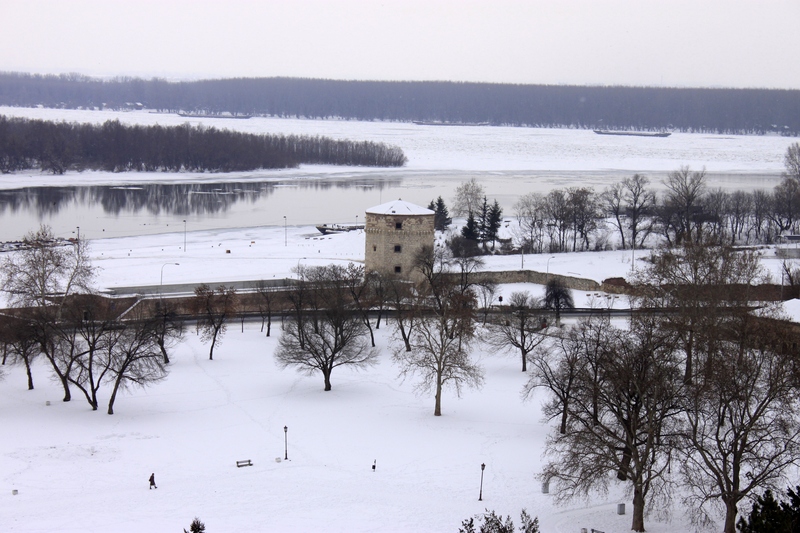
From the walls, I could see the Nebojša Tower in the Lower Town, once part of the fortress’s defensive system and later a prison during Ottoman rule. Today it’s a museum dedicated to freedom and revolution. You can reach it by walking down towards the Danube — about 15 minutes from the upper plateau.
Food and Warmth
After hours of exploring, I went to one of the small cafés near the fortress gates. A cup of hot rakija and a plate of Serbian gibanica (cheese pastry) brought warmth back to my fingers. If you visit in winter, dress warmly — temperatures can go below zero, and the wind from the rivers is strong.
Travel Tips
- Entrance: Free for most areas; museums charge small fees (200–500 dinars).
- Best Time: Sunset or sunrise for amazing river views.
- How to Reach: Walk from Knez Mihailova Street or take bus 31 to Kalemegdan stop.
- Food Nearby: Try “?” Tavern or “Kalemegdanska Terasa” for local dishes with fortress views.
- Hidden Gem: Visit the plateau near Sahat Tower at sunset — the view of the Danube is unforgettable.
Final Thoughts
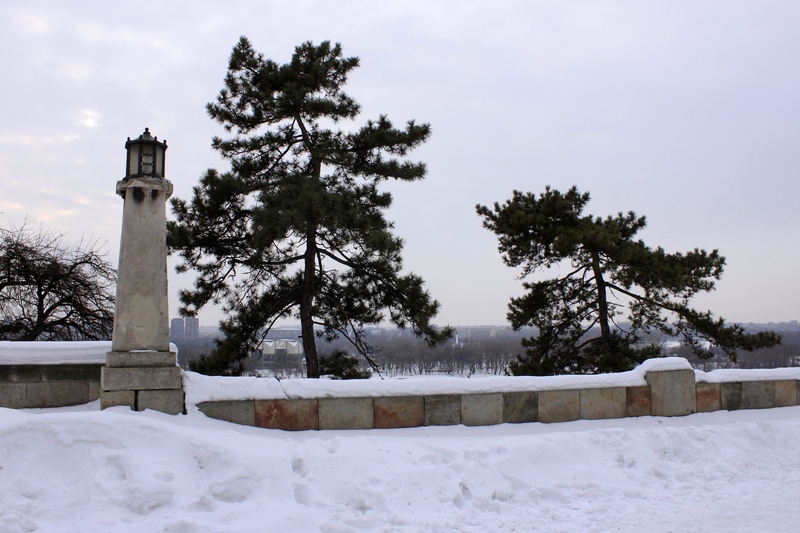
As I left, snowflakes still danced around the ancient walls. The fortress, silent and white, seemed to whisper stories of empires long gone. Belgrade Fortress is not just a tourist site — it’s a living heart of history, culture, and everyday joy.
Let the world guide your footsteps and your soul dear travelers!